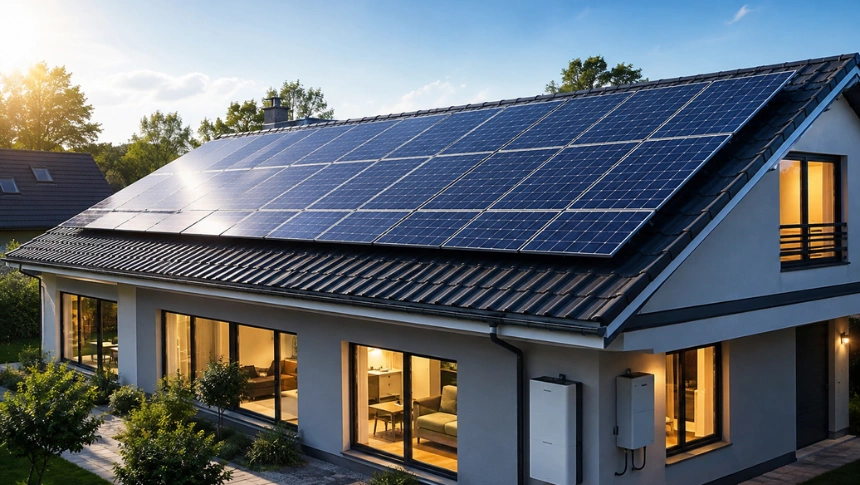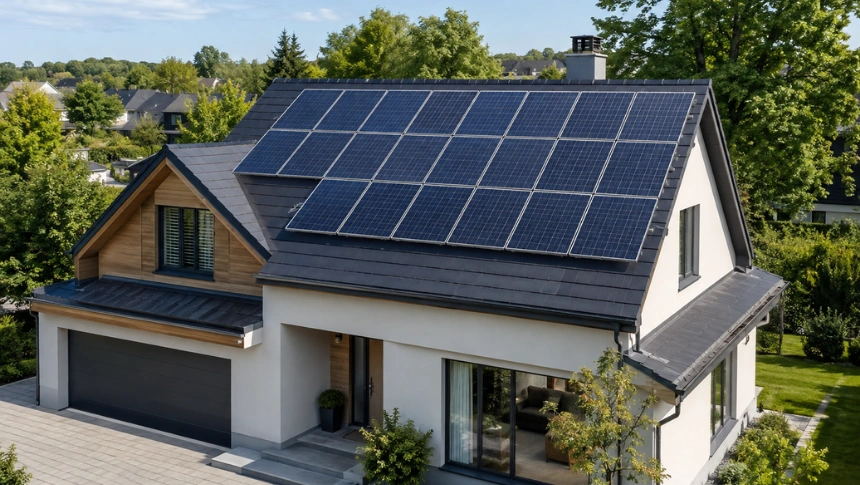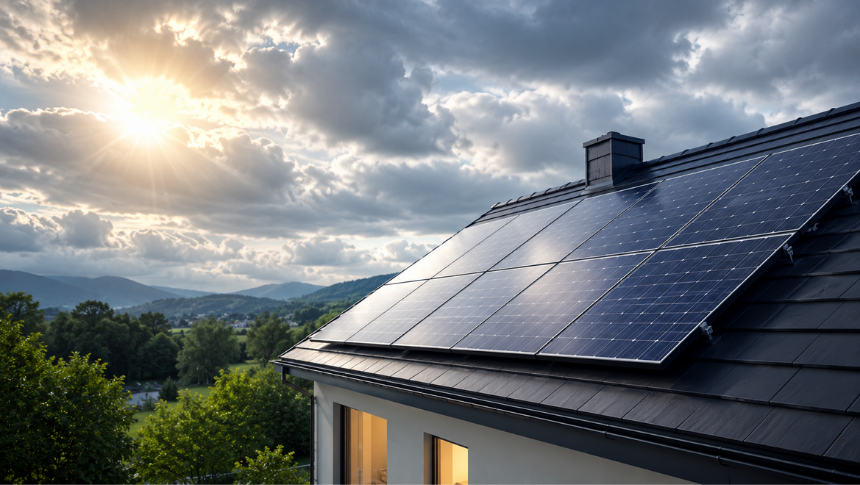

Electricity bills are increasing, and more homeowners are turning to solar energy to reduce long-term costs. However, while many people are ready to invest in solar, they often feel confused about how the system actually works. There are multiple components involved, and without proper understanding, it becomes difficult to make the right decision.
Before installing a solar system, one of the most important components homeowners need to understand is the solar panel inverter. It plays a key role in converting and managing electricity, making your entire system function efficiently. Knowing how it works helps you choose the right setup and get better performance from your investment.
What is a Solar Panel Inverter?
Many homeowners understand that solar panels generate electricity, but often don’t know how that electricity is actually used inside the home. This confusion usually comes from not understanding the role of the inverter in a solar system.
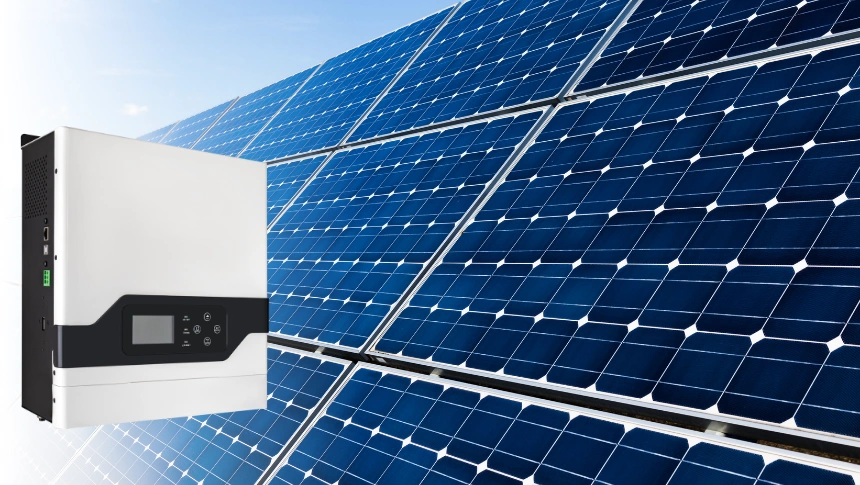
A solar panel inverter is a key component that converts the electricity produced by solar panels into a usable form. Solar panels generate direct current (DC) electricity, but most home appliances run on alternating current (AC). The inverter converts DC into AC so that your lights, fans, and other devices can work properly.
Without an inverter, the electricity generated by your solar panels cannot be used in your home. It acts as the bridge between solar energy production and everyday usage, ensuring your system runs efficiently and safely.
In simple terms, while solar panels generate power, the inverter makes that power usable for your home.
How Does a Solar Panel Inverter Work?
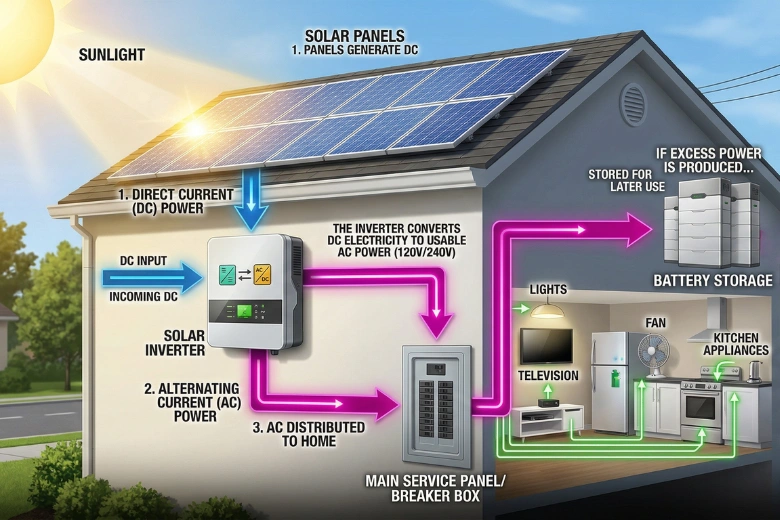
Many homeowners think solar systems directly power their appliances, but there is an important process happening in between. The inverter plays a key role in making sure the electricity generated is safe and usable for everyday use.
- When sunlight hits the solar panels, they produce direct current electricity. This type of power is useful for generation but cannot be used directly in most household appliances.
- The electricity generated by the panels flows into the inverter through connected wiring. At this stage, the power is still not usable for your home.
- The inverter processes the DC electricity and converts it into alternating current. This conversion is essential because all home appliances like lights, fans, and televisions operate on AC power.
- Once the conversion is complete, the AC electricity is distributed through your home’s electrical system. This allows you to use solar energy just like regular electricity from the grid.
- If your system produces more electricity than needed, the extra power can either be stored in batteries for later use or sent back to the grid, depending on your setup.
This entire process happens automatically and continuously, ensuring your home receives a stable and usable power supply from your solar system.
Types of Solar Panel Inverters
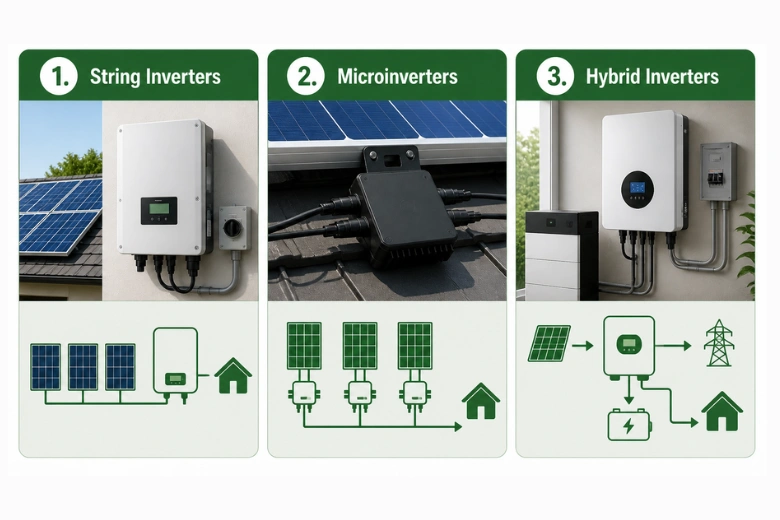
Not all solar inverters are the same, and choosing the right one depends on your energy needs and budget. Each type works differently and offers its own advantages, so understanding them helps you make a better decision.
1. String Inverters
String inverters are the most commonly used type in residential solar systems. They connect multiple solar panels in a series, also known as a “string,” and convert the combined electricity into usable power.
They are a cost-effective option and work well for homes where all panels receive similar sunlight. However, their performance can be affected if one panel is shaded or not working efficiently.
2. Microinverters
Microinverters are installed on each individual solar panel instead of a single central unit. This allows every panel to work independently, improving overall system performance.
They are more efficient, especially in situations where some panels may face shade or different directions. Although they are more expensive than string inverters, they offer better long-term performance and flexibility.
3. Hybrid Inverters
Hybrid inverters are designed to work with both solar panels and battery storage systems. They allow you to store extra energy for later use, making them a future-ready option for homeowners.
This type of inverter is ideal if you are planning to add a battery system or want backup power during outages. It gives you more control over your energy usage and improves overall efficiency.
Choosing the right inverter depends on your usage, budget, and future energy plans.
Why is a Solar Panel Inverter Important?
Many homeowners focus only on solar panels and overlook the importance of the inverter. However, without a properly functioning inverter, your solar system cannot deliver usable electricity or perform efficiently.
The inverter plays a central role in making your entire solar setup work smoothly and effectively.
- Solar panels generate direct current electricity, which cannot be used directly in your home. The inverter converts this into alternating current, allowing you to power everyday appliances safely and efficiently.
- A good inverter ensures that the energy generated by your panels is converted with minimal loss. This means you get better performance and more usable power from the same system
- Modern inverters come with monitoring features that allow you to track your system’s performance. You can check how much electricity is being generated and identify any issues quickly.
- The inverter helps regulate voltage and prevents electrical issues, ensuring your solar system operates safely within your home.
Without an inverter, a solar system cannot function properly, making it one of the most important components of the entire setup.
How to Choose the Right Solar Panel Inverter
Choosing the right solar inverter is not just about picking any model available in the market. The right choice depends on your home’s energy needs, usage pattern, and budget, so taking time to understand these factors helps you avoid costly mistakes.
Making the right decision ensures your solar system runs efficiently and delivers long-term value.
Based on your home size and appliances
Start by understanding how many appliances you want to run on solar power. Make a list of essential devices like lights, fans, TV, refrigerator, and others. Add their total power usage to get an idea of how much load your inverter needs to handle. This helps you choose the correct capacity and avoid overloading the system
Based on your energy usage
Your daily electricity consumption plays a major role in selecting the inverter. Homes with lower usage may need smaller inverters, while larger homes with higher consumption require higher capacity systems. For example, a typical home may need around 5 kW to 8 kW depending on usage, while larger homes may need more
Based on peak load and future needs
Some appliances like refrigerators or pumps require extra power when they start. It is important to choose an inverter that can handle this peak load and also leave some room for future expansion. Experts recommend adding a safety margin to ensure smooth performance
Based on your budget
Budget is another important factor. String inverters are usually more affordable, while microinverters and hybrid inverters cost more but offer better performance and flexibility. You should balance cost with long-term benefits instead of choosing only the cheapest option.
Check efficiency and features
A high-quality inverter converts more solar energy into usable electricity, which improves overall performance. Modern inverters also offer monitoring features, helping you track energy generation and detect issues early
Choosing the right inverter depends on your needs, not just the price. A well-matched inverter improves efficiency, prevents energy loss, and ensures your solar system performs reliably for years.
Common Problems with Solar Inverters
Solar inverters are designed to work reliably for years, but like any electrical component, they can face issues over time. Understanding these common problems helps you identify them early and avoid major system failures.
Being aware of these issues ensures your solar system continues to run smoothly and efficiently.
- Power fluctuations: Sometimes the inverter may produce unstable output due to voltage changes or inconsistent sunlight. This can affect the performance of your appliances and reduce overall system efficiency.
- Overheating: Inverters can heat up during operation, especially in hot climates or poorly ventilated areas. Excessive heat can reduce performance and may even damage internal components if not managed properly.
- Fault errors and system alerts: Modern inverters display error messages when something goes wrong. These faults can be related to wiring issues, grid problems, or internal malfunctions. Ignoring these warnings can lead to bigger problems later.
- Reduced energy conversion efficiency: Over time, inverters may not convert energy as efficiently as before. This can result in lower electricity output even if your solar panels are working properly.
- Connectivity or monitoring issues: Some inverters offer monitoring through apps or systems. Connectivity problems can make it difficult to track performance and detect issues on time.
Identifying and addressing these problems early helps maintain system efficiency and prevents costly repairs.
Are Solar Panels Worth It Long Term?
Solar panels are not just a short-term solution, they are a long-term investment that continues to deliver value for years. From reducing electricity bills to providing energy independence, they help homeowners take control of rising energy costs. With proper solar panel installation and basic maintenance, solar panels can perform efficiently for decades, making them a reliable and practical choice.
If you are planning to make your home more energy-efficient, combining solar with smart solutions can further increase your savings. Contact us for expert guidance and discover the right setup for your needs, helping you maximise performance and long-term benefits.
How to Maintain Your Solar Panel Inverter
Regular care not only improves performance but also helps prevent unexpected breakdowns and costly repairs.
- Keep it clean: Dust and dirt can accumulate on and around the inverter, especially if it is installed outdoors or in a dusty area. Regularly wiping the surface and keeping the surrounding area clean helps prevent overheating and ensures smooth operation.
- Ensure proper ventilation: Inverters generate heat during operation, so proper airflow is essential. Make sure the inverter is installed in a well-ventilated space and not enclosed in a tight area. Good ventilation helps maintain optimal temperature and improves efficiency.
- Perform regular checks: Periodically check for any warning lights, unusual sounds, or error messages. Monitoring the inverter’s performance helps you detect issues early and take action before they become major problems.
Simple maintenance steps can go a long way in keeping your inverter efficient and reliable.
Solar Panel Inverter Installation Process
A well-installed inverter helps your entire system run smoothly and prevents common issues that can affect energy output.
- Solar inverter installation involves electrical connections and system integration, which should be handled by trained professionals. This ensures the setup is safe and follows proper standards.
- The inverter must be connected accurately to the solar panels and your home’s electrical system. Proper wiring ensures smooth energy flow and avoids power loss or system faults.
- The inverter should be installed in a well-ventilated and protected area to prevent overheating and damage. Correct placement helps improve performance and extends the lifespan of the unit.
A properly installed inverter plays a key role in overall system performance. If you’re planning a complete setup, our solar panel installation service ensures your entire system, including the inverter, is installed correctly for maximum efficiency and long-term performance.
Power Your Home with the Right Solar Setup
A solar panel inverter is not just another component, it is the part that makes your entire solar system usable and efficient. From converting electricity to managing performance, it plays a key role in how well your system works every day.
Choosing the right inverter and ensuring proper installation can make a big difference in your system’s long-term performance. When you understand its importance, you can make a smarter and more confident investment decision.
Contact us for expert guidance and find the right solar solution for your home.