
If you’re considering solar for your home, one of the first questions you’;; probably ask is, How much electricity do solar panels generate?. The answer depends on several factors, so there isn’t one daily output that applies to every property. Panel wattage and the number of panels matter, but so do sunlight, roof orientation, shading and changing weather conditions.
It’s also important to remember that a solar system’s rated capacity doesn’t mean it will produce that exact amount of electricity every day. Generation naturally changes throughout the day and across the seasons. Understanding how do solar panels work? Can help explain why your systems output varies and what you can realistically expect from it.
How Much Electricity Do Solar Panels Generate?
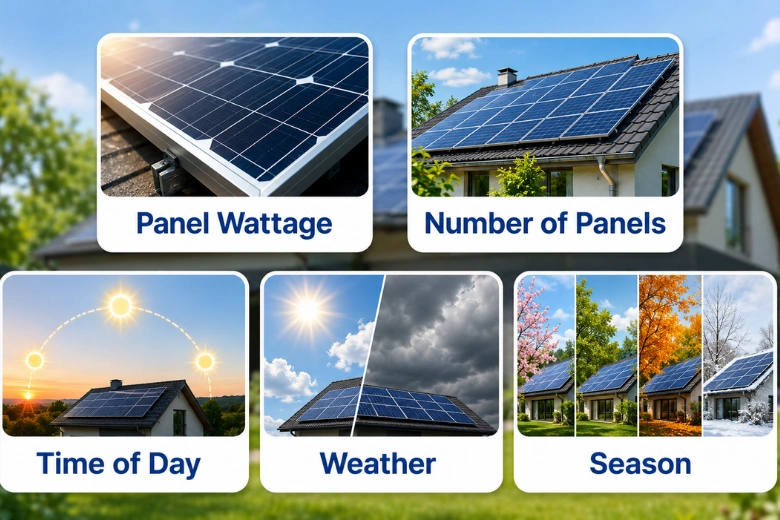
Solar panels generate electricity by converting sunlight into usable electrical energy, but the amount produced depends on the panel’s power rating and the sunlight available. A panel’s wattage represents its maximum power output under specific test conditions, so it should not be treated as the amount of electricity it will produce continuously throughout the day.
What Affects Daily Solar Generation?
- Panel wattage: Higher-wattage panels can produce more electricity under suitable conditions.
- Number of panels: More panels generally provide greater total generation when sufficient sunlight is available.
- Time of day: Output changes as sunlight levels rise and fall, with generation generally higher around stronger daylight hours.
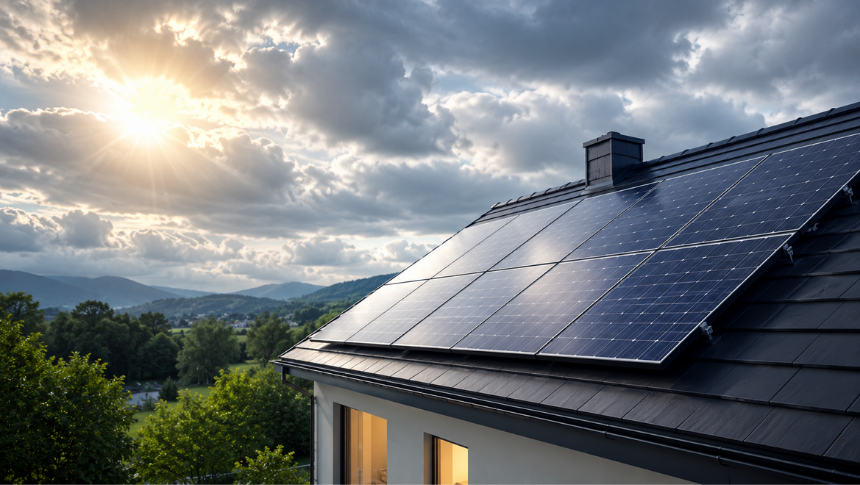
- Weather: Cloudy conditions can reduce electricity generation compared with strong sunlight.
- Season: Shorter winter days and changing sunlight levels can result in lower generation than during brighter periods.
This means your solar system’s daily output will naturally vary rather than remaining at the same level every day.
What Determines How Much Electricity Solar Panels Generate?
Looking only at the panel’s wattage can give you an incomplete picture because sunlight, installation conditions and system components all influence how much energy is available for your home.
Panel Wattage
Solar panels are available with different power ratings, which indicate their generation capacity under suitable conditions.
- Higher-wattage panels: They can produce more electricity per panel when conditions are favourable.
- Not the whole picture: Rated wattage doesn’t tell you exactly how much electricity the panel will generate each day because sunlight and other conditions constantly change.
Number of Panels
The number of panels directly affects the system’s overall generation potential.
- More panels: A larger number of panels can provide greater generation capacity when adequate sunlight is available.
- Total system capacity: The combined output of all panels determines the rated capacity of the solar system.
Sunlight
Sunlight is one of the biggest influences on solar generation.
- Daylight conditions: Stronger sunlight generally allows panels to generate more electricity.
- Changing throughout the day: Output rises and falls as the position and intensity of the sun changes.
- Seasonal variation: Longer, brighter days can provide different generation levels compared with periods of shorter or weaker sunlight.
Roof Orientation and Angle
The position of your panels affects how much sunlight they can receive.
- Panel direction: The orientation of the roof and panels can influence solar exposure.
- Panel angle: Roof pitch and installation angle can also affect generation.
- Property-specific design: The most suitable configuration depends on your location and the characteristics of your roof.
Shading
Shadows can reduce the amount of sunlight reaching your panels.
- Common sources: Trees, neighbouring buildings and other structures can create shade.
- Partial shading: Even part of a panel or array being shaded can affect output, depending on how the system is designed.
System Efficiency
Not all electricity generated by the panels necessarily reaches your appliances unchanged. The inverter, wiring and other system components can influence how much of the generated electricity becomes available for household use.
Solar generation is the result of the complete system and its operating conditions, rather than the panel wattage or panel count alone.
How Much Electricity Does One Solar Panel Generate Per Day?
One solar panel can generate a useful amount of electricity each day, but there is no fixed daily figure that applies to every panel or every home. Its output depends on the panel’s rated wattage and how much sunlight it receives. For example, the same panel may produce significantly more electricity on a clear summer day than during a cloudy winter day with shorter daylight hours.
Several property-specific factors can also affect daily generation. Shading from trees or buildings, roof orientation, panel angle, weather and temperature can all influence how much sunlight reaches the panel. This is why a panel’s rated capacity should be viewed as an indication of its potential rather than a promise of daily production.
Panel Capacity vs Actual Generation
- Panel capacity: This is the maximum rated power of an individual panel, usually expressed in watts (W). It helps indicate how much power the panel can produce under specific test conditions.
- Actual generation: This refers to the electricity the panel really produces over a period of time. It can change from one day to another depending on sunlight and installation conditions.
- Seasonal differences: Longer and brighter days can provide more opportunities for generation, while shorter winter days may reduce total daily output.
- Shading and orientation: A panel receiving limited sunlight may produce less electricity than the same panel installed in a more favourable position.
For this reason, looking at the overall solar system design and expected generation gives a more useful picture than focusing only on the rated output of one panel.
How Much Electricity Do Solar Panels Generate Per Month?
Looking at monthly solar generation can give homeowners a clearer picture of how their system is performing than focusing on a single day’s output. Solar production naturally changes throughout the year, so your monthly figures will not remain the same.
- Summer generation: Longer daylight hours and generally stronger solar conditions can result in higher monthly production.
- Winter generation: Shorter days and reduced sunlight can lead to lower monthly output.
- Monitor your system: Many solar systems allow you to track electricity generation through the inverter display or a dedicated monitoring platform.
- Compare over time: Reviewing several months of data helps you understand your system’s normal seasonal pattern and identify noticeable changes in performance.
Monthly generation figures are most useful when considered alongside seasonal conditions and your household’s electricity consumption, rather than viewed as a fixed target.
How Much Electricity Do Solar Panels Generate Per Year?
Annual solar generation gives you a much clearer picture of how a solar system performs because it accounts for the changes that occur throughout the year. Instead of judging your system by a single day or month, annual figures show the combined effect of stronger and weaker solar conditions across different seasons.
Your expected yearly generation depends on factors such as system size, property location, roof orientation, shading and the equipment used. Looking at annual output can also help you estimate how much of your household’s electricity demand could potentially be supplied by solar.
When comparing solar systems, don’t focus only on the number of panels or the wattage of individual panels. Expected annual electricity generation provides a more useful basis for understanding the potential performance of the complete system.
Does Weather Affect How Much Electricity Solar Panels Generate?
However, changes in generation from one day to another are normal and don’t necessarily mean there is a problem with your panels.
- Cloud cover: Heavy cloud can reduce the amount of sunlight reaching the panels, which can lower electricity generation.
- Rain and poor weather: Rainy or overcast conditions can limit available sunlight and result in lower output.
- Seasonal changes: Solar generation naturally varies throughout the year as daylight hours and sunlight conditions change.
- Temperature: Panel performance can also be influenced by temperature, so hotter conditions don’t automatically mean higher electricity generation.
- Short-term changes: A temporary drop in output during poor weather is generally not a reason for concern. Look at generation over a longer period before judging system performance.
If you want to know how cloud cover affects your system, our guide to Do Solar Panels Work on Cloudy Days? explains what you can expect in less-than-ideal weather.
What Can You Do If Your Solar Panels Are Producing Less Electricity?
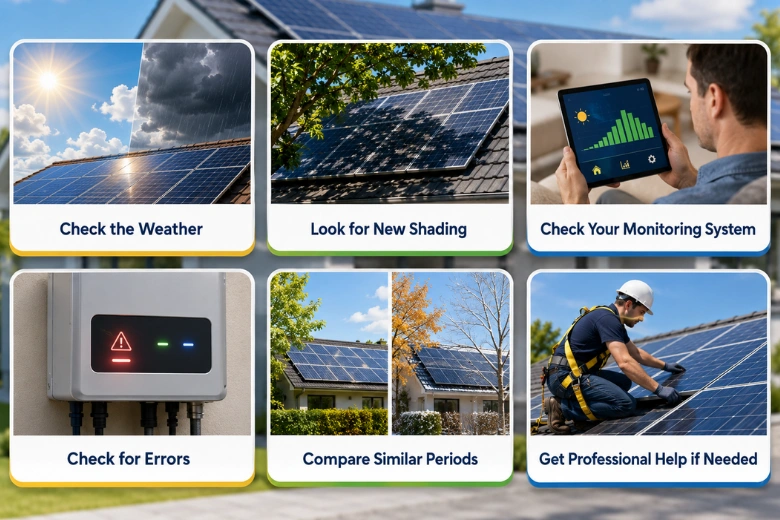
Before arranging a service call, check whether the change can be explained by normal weather or seasonal conditions.
- Check the weather: Compare the current conditions with periods when your system was producing normally.
- Look for new shading: Trees, buildings or other changes around the property may now be blocking sunlight.
- Check your monitoring system: Look for warnings, notifications or unusual changes in reported generation.
- Check for errors: See whether the inverter or monitoring platform has recorded an error.
- Compare similar periods: Review current production against previous days or months with similar weather and sunlight.
- Get professional help if needed: If generation remains unusually low without an obvious explanation, arrange a professional inspection to identify the cause.
Conclusion: How Much Electricity Do Solar Panels Generate?
The amount of electricity solar panels generate varies from one property to another. Panel wattage and overall system size influence generation potential, while sunlight, weather, shading, roof orientation and system condition affect the electricity actually produced. Daily output will naturally rise and fall, so one day’s generation isn’t enough to judge how well your system is performing. Looking at annual generation provides a more useful picture of overall performance across different seasons and weather conditions.
Monitoring your solar system regularly can help you notice significant changes in generation and identify when further investigation may be needed. Ultimately, the right solar system should be designed around your home’s electricity needs and the solar conditions available at your property. Contact Clean Energy Solutions for professional solar advice and installation, and find out how much electricity a solar system could generate for your home.