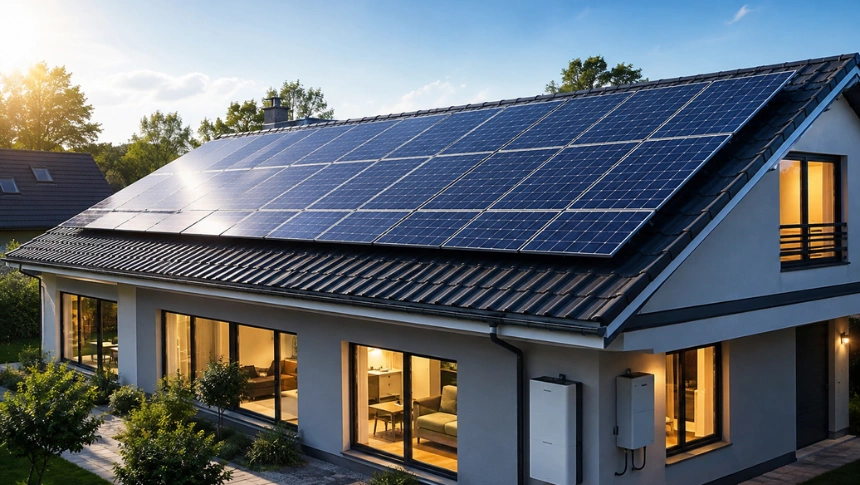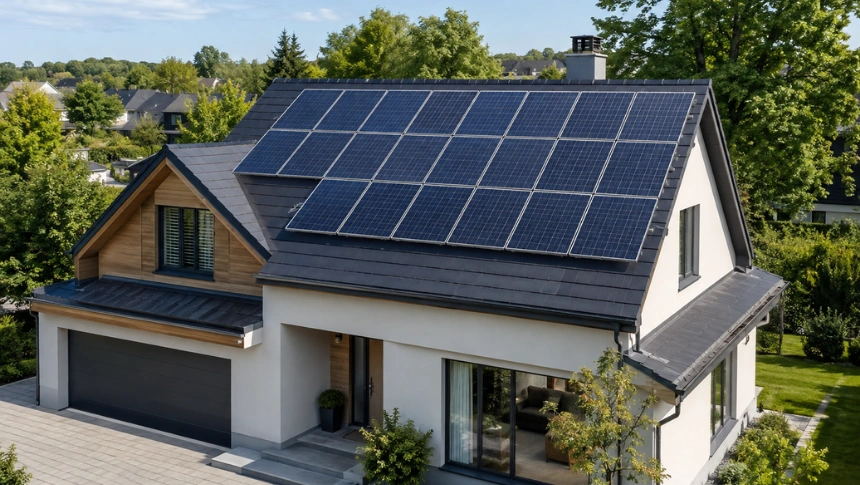

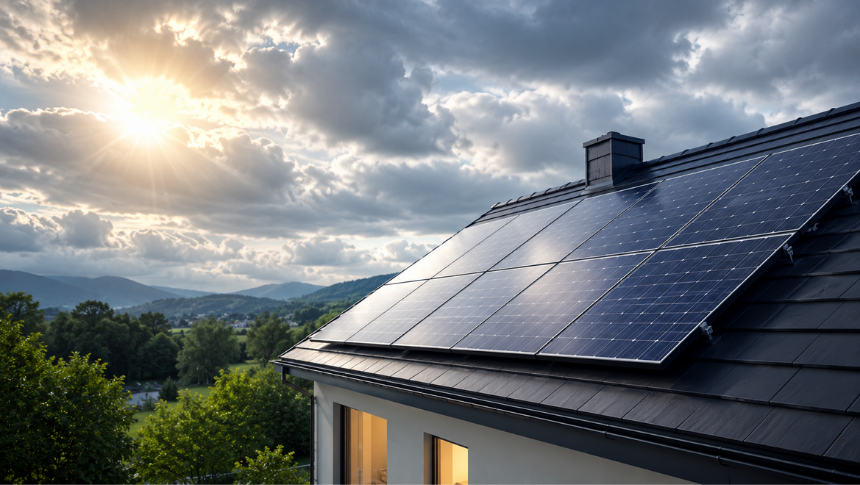
If you are thinking about installing solar panels, one question probably comes to mind before anything else: do solar panels work on cloudy days?
It is a common concern, especially for homeowners who live in areas where sunshine is not guaranteed every day. Many people worry that frequent cloud cover will dramatically reduce solar performance and make the investment less worthwhile in the long run.
The good news is that solar panels do not need bright sunshine all day to generate electricity. They can still produce power in cloudy conditions because they use daylight, not just direct sunlight. While energy production may be lower compared to clear sunny days, modern solar technology is designed to perform in a wide range of weather conditions. In this guide, you will learn how solar panels work during cloudy weather, how much electricity they can still generate, and why solar remains a smart investment even in regions that experience regular cloud cover.
Do Solar Panels Work on Cloudy Days? (Quick Answer)
Yes, solar panels still generate electricity on cloudy days. They do not rely only on direct sunlight to work. Instead, solar panels use daylight, which means they can continue producing power even when the sky is covered by clouds.
However, energy production is usually lower compared to bright sunny days because less sunlight reaches the panels. The amount of electricity generated depends on factors such as cloud cover, weather conditions, and panel efficiency. Despite this, solar panels can still contribute meaningful energy throughout the year, even in areas that experience regular cloud cover.For more information about solar energy in New Zealand, visit EECA (Energy Efficiency and Conservation Authority).
How Solar Panels Generate Electricity
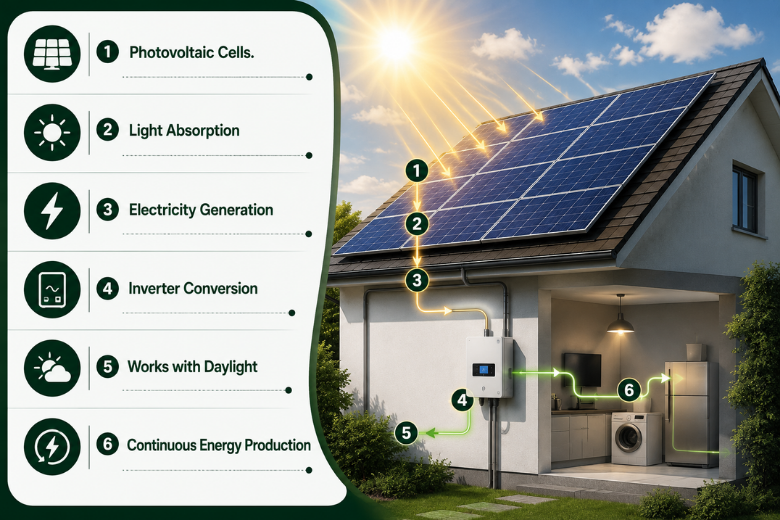
Understanding this process can help homeowners see why solar panels continue working even when the weather is not perfect.
- Photovoltaic Cells: Solar panels contain photovoltaic (PV) cells that are designed to capture sunlight and convert it into electrical energy.
- Light Absorption: When sunlight or daylight hits the solar cells, the cells absorb the light energy and create an electrical charge.
- Electricity Generation: The electrical charge produced by the solar cells generates direct current (DC) electricity.
- Inverter Conversion: Since homes use alternating current (AC) electricity, an inverter converts the DC electricity into AC power that can be used by household appliances.
- Works with Daylight: Solar panels do not rely only on direct sunlight. They can also generate electricity from indirect sunlight and daylight, which is why they continue working on cloudy days.
- Continuous Energy Production: As long as there is daylight available, solar panels can continue producing electricity, although output levels may vary depending on weather conditions.
Because they use daylight rather than direct sunshine alone, they can continue producing energy in a wide range of weather conditions.
How Much Power Do Solar Panels Produce on Cloudy Days?
The actual output depends on several factors, including weather conditions, panel quality, and how the system is installed.
Factors That Affect Solar Output
- Cloud Thickness: Thin clouds allow more sunlight to pass through, while heavy cloud cover can significantly reduce solar energy production.
- Time of Day: Solar panels generally produce more electricity during the middle of the day when daylight levels are highest, even if the weather is cloudy.
- Season: Days are shorter during winter, which means solar panels have fewer daylight hours available for energy production.
- Solar Panel Quality: Higher efficiency solar panels are better at capturing available light and can often perform more effectively in low light conditions.
- Panel Angle and Orientation: Panels positioned at the correct angle and direction can maximise the amount of available sunlight they receive throughout the day.
Even when sunlight is limited, solar panels can continue producing useful energy and contribute to long term savings on electricity costs.
Benefits of Solar Panels in Cloudy Climates
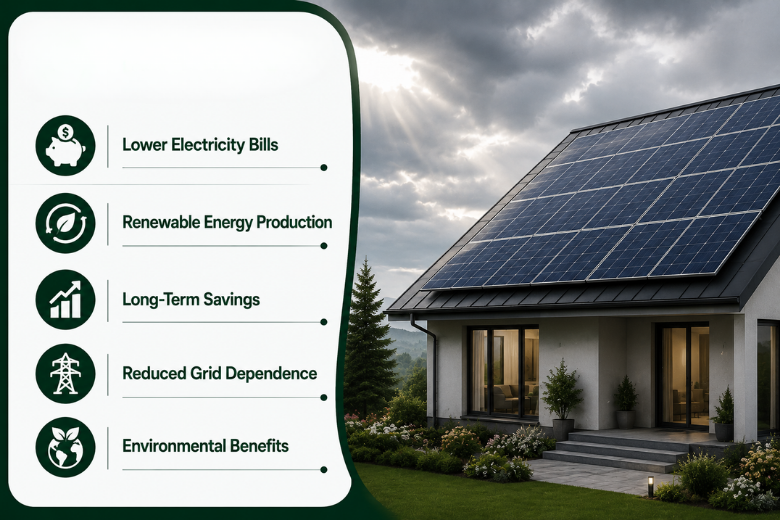
Understanding these benefits can help homeowners make a more informed decision about investing in solar energy.
Lower Electricity Bills
Solar panels continue producing electricity during daylight hours, even when the weather is cloudy. This helps reduce the amount of electricity you need to buy from the grid.
Benefits:
- Reduces monthly power bills
- Helps offset rising electricity costs
- Provides ongoing savings throughout the year
Renewable Energy Production
Solar panels generate clean electricity from sunlight, making them a sustainable energy source regardless of weather conditions.
Benefits:
- Produces renewable energy every day
- Reduces reliance on non renewable energy sources
- Supports a more sustainable lifestyle
Long Term Savings
Although solar output may vary between sunny and cloudy days, solar panels can continue generating electricity for many years.
Benefits:
- Delivers savings over the system’s lifespan
- Helps improve return on investment
- Reduces long term household energy expenses
Reduced Grid Dependence
Generating your own electricity means you are less dependent on utility providers for your daily energy needs.
Benefits:
- Greater energy independence
- Less exposure to future electricity price increases
- Improved control over household energy costs
Environmental Benefits
Solar energy produces electricity without creating harmful emissions, helping reduce your environmental impact.
Benefits:
- Lowers carbon footprint
- Supports cleaner energy generation
- Contributes to environmental sustainability
Even with reduced sunlight, they can still lower electricity bills, generate renewable energy, reduce grid dependence, and provide long term financial and environmental benefits.
How to Improve Solar Performance on Cloudy Days
Small improvements in panel quality, placement, and maintenance can make a noticeable difference in overall energy production.
High Efficiency Panels:
High efficiency solar panels are designed to capture more available light, making them particularly useful in areas that experience regular cloud cover. They can produce more electricity from limited sunlight compared to standard panels.
Correct Panel Placement:
The direction and angle of your solar panels significantly affect how much sunlight they receive throughout the day. Proper placement helps maximise daylight exposure and improve overall system performance.
Clean Solar Panels:
Dust, dirt, leaves, and bird droppings can block sunlight from reaching the solar cells. Regular cleaning helps maintain optimal energy production and prevents unnecessary performance losses.
Reduce Shading:
Trees, nearby buildings, chimneys, and other obstructions can create shadows that reduce solar output. Minimising shading allows panels to receive more available sunlight during the day.
Monitor Performance:
Regular system monitoring helps identify performance issues early. Many modern solar systems include monitoring tools that allow homeowners to track energy generation and quickly spot potential problems.
Taking these simple steps can improve efficiency and help you get the most value from your solar investment.
Common Myths About Solar Panels and Cloudy Weather
Understanding the facts can help you make a more informed decision about whether solar energy is right for your home.
Myth: Solar Panels Stop Working in Clouds
Fact: Solar panels continue generating electricity on cloudy days because they use daylight rather than direct sunlight alone. While output may be lower, they do not stop producing energy.
Myth: Solar Only Works in Hot Weather
Fact: Solar panels generate electricity from sunlight, not heat. In fact, extremely hot temperatures can sometimes reduce efficiency, while cooler temperatures can support better performance.
Myth: Cloudy Areas Are Not Suitable for Solar
Fact: Many countries and regions with frequent cloud cover successfully use solar energy. Modern solar panels can still produce useful electricity even when the weather is not perfectly sunny.
Myth: Rain Damages Solar Panels
Fact: Solar panels are designed to withstand rain and other weather conditions. Rain can even help wash away dust and dirt, keeping panels cleaner and improving performance.
Understanding how solar technology actually works can help homeowners feel more confident about investing in solar energy and its long term benefits.
When Should You Contact Solar Professionals?
Getting professional advice can help ensure you choose the right system and maximise long term energy savings.
- Unsure About Solar Suitability: If you are unsure whether your property receives enough sunlight or if solar is the right option for your home, a professional assessment can provide clear answers.
- Need a Solar Assessment: Solar professionals can evaluate your roof, energy consumption, shading, and available space to determine the best solution for your specific needs.
- Want System Sizing Advice: Choosing the correct system size is essential for achieving the best balance between installation cost and long term energy savings.
- Looking for Installation Guidance: If you are considering solar panel installation, professional guidance can help ensure the system is designed correctly, installed safely, and positioned for maximum performance throughout the year.
Whether you need an assessment, sizing recommendations, or installation support, working with experienced solar professionals can help you make a confident and informed decision.
Conclusion
Solar panels do work on cloudy days, which is why they continue to be a popular renewable energy solution in many parts of the world. While electricity production is generally lower compared to bright sunny conditions, it is important to remember that output is reduced, not eliminated. Modern solar panels are designed to capture available daylight, allowing them to generate useful energy even when cloud cover is present.
Over time, solar energy can still provide significant savings, reduce dependence on grid electricity, and deliver long term environmental benefits. If you are considering solar for your home or want expert advice on system sizing and installation, contact Clean Energy Solutions today. Our team can assess your property, answer your questions, and help you choose the right solar solution for your energy needs.