
Have you noticed your heat pump running for long periods and wondered whether it should really be on for that long?
You may also be concerned that longer running times mean higher electricity bills or that something could be wrong with the system. The truth is that there is no single runtime that suits every home.
How long a heat pump runs can depend on outdoor weather, your temperature setting, insulation, room size and the condition of the system. Longer operation does not automatically mean there is a fault. Understanding How Does a Heat Pump Work? can make it easier to understand why your system may run for longer periods in certain conditions. In this guide, we’ll explain what normal operation looks like, why runtime varies and when longer running times may need attention.
Heat Pump Running Time and Continuous Operation
How long a heat pump runs can vary from one home to another. Weather conditions, temperature settings and the home’s ability to retain heat or cool air can all affect how frequently the system operates.
How Long Should a Heat Pump Run?
There is no set number of hours a heat pump should run each day because every home has different heating and cooling requirements. The runtime can change depending on the outdoor temperature, your selected indoor temperature, the size of the space and how well your home retains heat.
During very hot or cold weather, your heat pump may need to operate for longer to maintain a comfortable indoor temperature. Modern systems are designed to run for extended periods when required, and steady operation can sometimes be preferable to frequent switching on and off. Factors such as insulation, system size, maintenance and overall condition can also affect runtime.
Heat pump running for longer does not automatically mean there is a problem. If it maintains your chosen temperature and operates normally, longer runtime may simply reflect the conditions it is working in.
Is It Normal for a Heat Pump to Run Continuously?
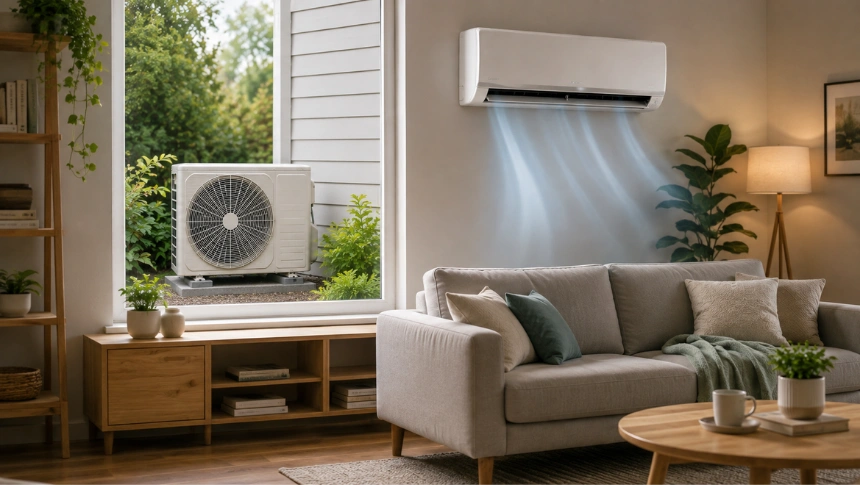
Yes, a heat pump can sometimes run for extended periods without switching off completely. This is more likely when there is a high demand for heating or cooling, such as during very hot or cold weather. Depending on the model, the system may also adjust its output and continue running at a lower level instead of repeatedly switching on and off.
What matters most is how well the heat pump is performing while it runs. If it maintains your chosen indoor temperature and operates normally, continuous operation may not be a concern. However, if it runs constantly but struggles to maintain comfort, there may be an underlying issue.
The system type, outdoor conditions, insulation and temperature setting can all affect runtime. Rather than counting operating hours alone, consider whether your home is staying comfortable and whether the system is using energy as expected.
Continuous operation isn’t automatically a problem. Look at overall performance and comfort before deciding whether your heat pump needs attention.
Should You Leave Your Heat Pump On All the Time?
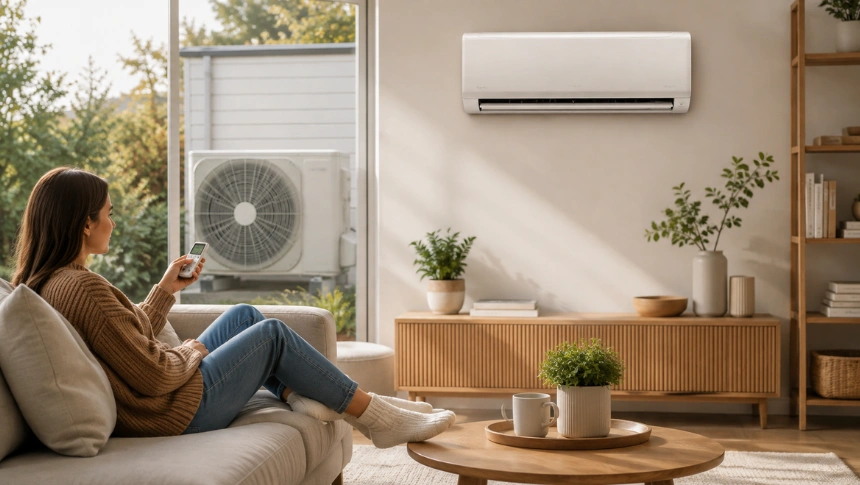
Leaving your heat pump running at a consistent setting can be practical, particularly when you want to maintain a comfortable indoor temperature throughout the day. Instead of repeatedly switching the system on and off, keeping a steady temperature can allow the heat pump to respond to changing conditions as needed. However, the best approach depends on your household routine, the season and how often the home is occupied.
- Use Sensible Settings: Choose a comfortable temperature rather than an extreme setting.
- Avoid Frequent Changes: Make gradual adjustments instead of repeatedly switching between very different temperatures.
- Use Timers: Schedule operation around times when your household normally needs heating or cooling.
- Consider Your Routine: Adjust operation when the home is regularly unoccupied for longer periods.
There isn’t one rule that suits every household. The most suitable approach depends on your home’s conditions, daily routine and comfort needs.
What Affects How Long a Heat Pump Runs?
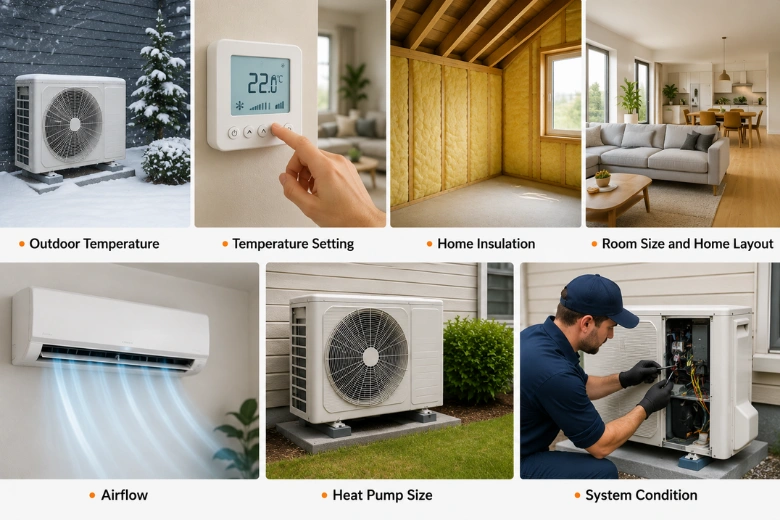
Heat pump runtime can vary significantly from one home to another. Several factors can affect how hard the system needs to work and how long it operates to maintain your preferred indoor temperature.
- Outdoor Temperature: Explain how very hot or cold weather increases heating or cooling demand.
- Temperature Setting: Explain that extreme heating or cooling settings can increase runtime.
- Home Insulation: Poor insulation can allow heat to escape or unwanted heat to enter, making the system work harder.
- Room Size and Home Layout: Larger spaces may require longer operation to reach and maintain the desired temperature.
- Airflow: Blocked filters, vents or outdoor units can affect performance and increase runtime.
- Heat Pump Size: An appropriately sized system should be matched to the property’s heating and cooling requirements.
- System Condition: Age, maintenance and component condition can influence efficiency and operating time.
Heat pump runtime should always be considered alongside the home’s conditions and the system’s performance.
Why Is My Heat Pump Running Constantly?
A heat pump may run for long periods without there being a fault, particularly during very hot or cold weather. However, if it seems to be running constantly under normal conditions, it’s worth considering whether something is making the system work harder than it should.
Several factors can contribute to longer runtime, including a demanding temperature setting, poor insulation, draughts, dirty filters or restricted airflow. An incorrectly sized system, refrigerant or mechanical issue, or ageing and poorly maintained equipment can also affect performance.
Before assuming there is a problem, check whether your home is reaching the temperature you’ve selected and whether the airflow feels normal. Also pay attention to any noticeable increase in electricity use, warning lights or unusual noises.
Constant operation isn’t automatically a sign of a fault. However, if your heat pump runs continuously and struggles to maintain the desired temperature, a professional assessment can help identify the cause.
When Is Long Heat Pump Runtime a Sign of a Problem?
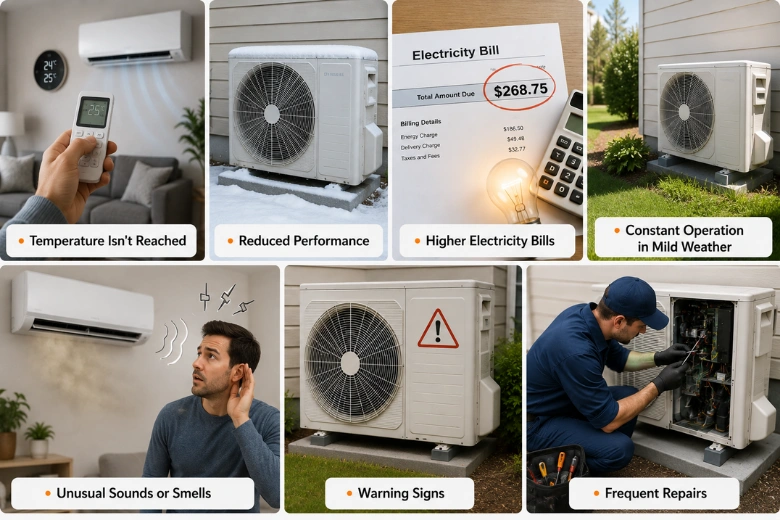
Long running times are not necessarily a concern, especially when your heat pump is dealing with very hot or cold weather. However, if the system continues running without maintaining a comfortable indoor temperature, it may indicate that something needs attention.
Watch for these signs:
- Temperature Isn’t Reached: Your home never reaches the temperature you’ve selected.
- Reduced Performance: Heating or cooling feels noticeably weaker than before.
- Higher Electricity Bills: Energy use increases without a clear change in household usage.
- Constant Operation in Mild Weather: The system runs continuously even when outdoor conditions are moderate.
- Unusual Sounds or Smells: New or persistent noises or odours may indicate a developing issue.
- Warning Signs: Error codes or warning lights appear repeatedly.
- Frequent Repairs: Recurring faults may point to an underlying problem.
Long runtime alone isn’t necessarily concerning, but when it occurs alongside poor performance or other warning signs, it’s worth having your heat pump assessed by a professional.
How to Reduce Unnecessary Heat Pump Runtime
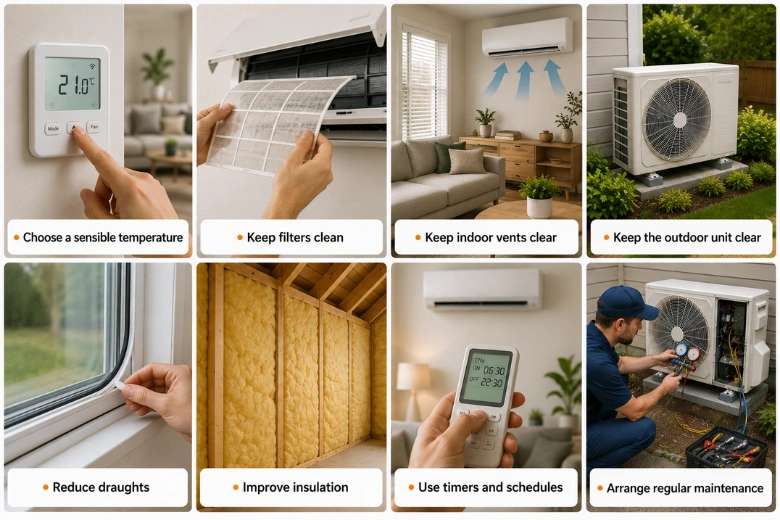
A heat pump may need to run for longer during extreme weather, but there are practical ways to avoid unnecessary operation. Small changes to your home’s airflow, temperature settings and maintenance routine can help the system work more efficiently.
- Choose a sensible temperature: Avoid extreme heating or cooling settings that make the system work harder to reach the desired temperature.
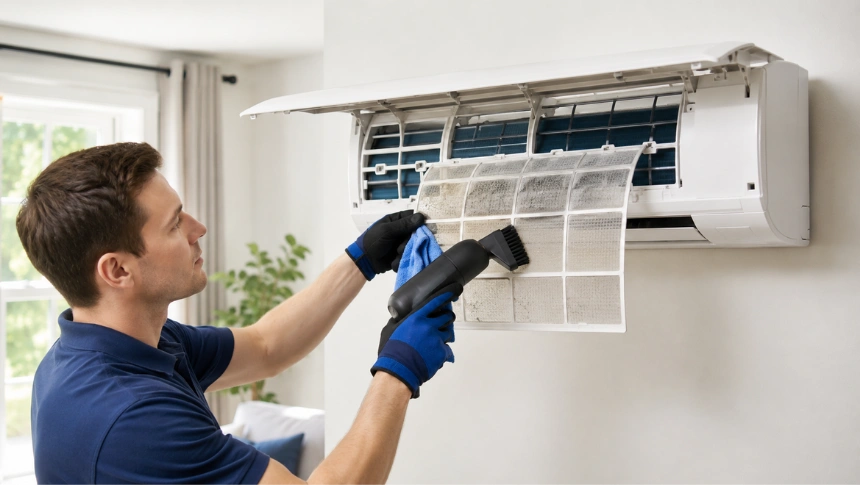
- Keep filters clean: Dirty filters restrict airflow and can increase the amount of time your heat pump needs to operate.
- Keep indoor vents clear: Make sure furniture, curtains or other objects aren’t blocking air outlets.
- Keep the outdoor unit clear: Remove leaves, dirt and other debris so the unit has enough airflow.
- Reduce draughts: Check doors and windows for obvious gaps that allow conditioned air to escape.
- Improve insulation: Good insulation helps your home maintain its temperature for longer.
- Use timers and schedules: Match operation with your household routine to avoid unnecessary heating or cooling when the home is unoccupied.
- Arrange regular maintenance: Professional servicing can identify developing problems that may cause the system to work harder.
Following a Heat Pump Maintenance Checklist can also help you stay on top of routine maintenance throughout the year.
Combining sensible daily use with good airflow, insulation and regular maintenance can help reduce unnecessary heat pump runtime and support efficient operation.
When Should You Contact a Professional?
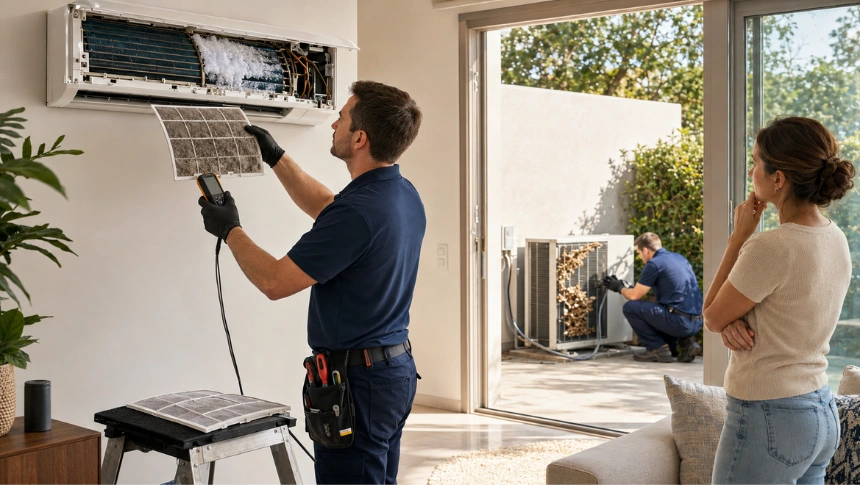
Most heat pump runtime changes can be monitored, but certain signs indicate that professional attention may be needed. If your system is no longer performing as expected, getting it checked early can help identify the cause before the issue becomes more serious.
- The Temperature Isn’t Maintained: Your heat pump runs but cannot reach or maintain the selected temperature.
- Runtime Suddenly Increases: The system starts running for much longer than it normally does
- Energy Use Rises: Your electricity consumption increases without an obvious change in usage.
- Unusual Noises Occur: New or persistent sounds may indicate a developing fault.
- Error Codes Appear: Repeated warning lights or error codes should be professionally assessed.
- Performance Declines: Your heating or cooling performance continues to become weaker.
If your heat pump is running continuously and not performing as expected, professional heat pump service NZ can help identify the cause. Professional servicing can help identify underlying issues, restore efficient operation and maintain reliable heat pump performance.
Conclusion
There is no universal number of hours a heat pump should run, as runtime naturally changes with outdoor weather, temperature settings, insulation and other conditions in the home. Running for longer periods can be completely normal when heating or cooling demand is high, and leaving the system running consistently may suit some households. However, if your heat pump runs constantly while struggling to maintain the desired temperature, it may indicate an underlying issue that needs attention.
Good airflow, sensible temperature settings, adequate insulation and regular maintenance can all support efficient operation. Rather than focusing only on how many hours your heat pump runs, pay attention to changes in performance, energy use and comfort. Contact Clean Energy Solutions for professional heat pump servicing, expert advice and support to ensure your system is operating efficiently and reliably.