
Heat pumps are a practical way to heat and cool your home, but the way you use them can have a big effect on energy consumption. Constantly changing the temperature, blocking vents, or leaving windows open while the system is running can make your heat pump work harder than necessary. For many homeowners, the goal is simple: stay comfortable without seeing electricity bills rise unnecessarily.
The good news is that you don’t always need to make major changes to improve performance. Small habits, such as using the right temperature, keeping filters clean, maintaining good airflow, and using the system correctly, can make a noticeable difference. Understanding How Does a Heat Pump Work? can help you use your system correctly and get better performance from it. In this guide, we’ll share practical tips to help you stay comfortable while using energy more efficiently.
9 Simple Tips to Use Your Heat Pump More Efficiently
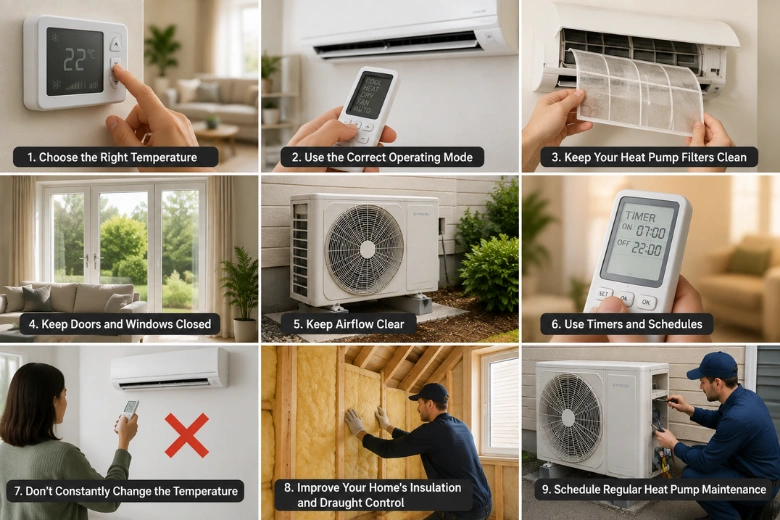
Using your heat pump efficiently doesn’t require complicated changes to your daily routine. A few simple habits can help reduce unnecessary energy use while keeping your home comfortable.
1. Choose the Right Temperature
The temperature setting has a direct effect on how hard your heat pump works. Choosing a sensible temperature can help you stay comfortable without using more energy than necessary.
- Choose a Comfortable Temperature: Set the heat pump to a temperature that feels comfortable for your household rather than an extreme setting.
- Avoid Maximum Heating: Setting the heating temperature to its highest level can make the system work harder and increase energy use.
- Don’t Over-Cool: Avoid setting the cooling temperature unnecessarily low when a moderate setting can keep the room comfortable.
- Keep Changes Reasonable: Make gradual temperature adjustments instead of constantly changing the setting.
- Consider Your Home: The ideal temperature depends on your home’s insulation, room size, outdoor conditions, and personal comfort.
Tip: Find a temperature that keeps your home comfortable while allowing the heat pump to operate steadily.
Sensible temperature setting can help balance comfort and energy use while reducing unnecessary strain on your heat pump.
2. Use the Correct Operating Mode
Using the right operating mode helps your heat pump provide the type of comfort you need without running unnecessarily. Check the remote or controller before changing the temperature or assuming there is a problem with the system.
- Heating Mode: Use this during colder weather when you want to warm your home.
- Cooling Mode: Select this when indoor temperatures are too warm and you need to cool the room.
- Fan Mode: This circulates air without actively heating or cooling it, which can be useful when you only want air movement.
- Auto Mode: Some heat pumps can automatically adjust their operation, but how this works can vary between models.
Tip: Check your manufacturer’s instructions if you’re unsure which mode is best for your system.
Using the correct mode helps your heat pump provide the comfort you actually need while avoiding unnecessary operation.
3. Keep Your Heat Pump Filters Clean
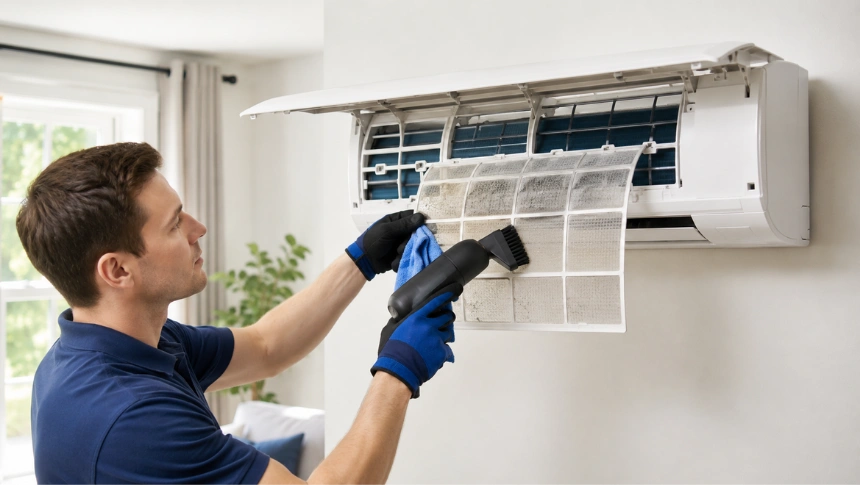
Clean filters are important for keeping air moving properly through your heat pump. When dust builds up, airflow can become restricted, making the system work harder and potentially affecting heating and cooling performance.
- Check Regularly: Inspect the filters for dust and dirt, especially during periods of frequent use.
- Clean the Filters: Remove built-up dust according to the manufacturer’s cleaning instructions.
- Replace When Needed: If a filter is damaged or cannot be cleaned properly, replace it as recommended.
- Watch the Airflow: Reduced airflow can be a sign that the filters need attention.
Regular filter cleaning is an important part of efficient operation. Follow our guide on How to Clean a Heat Pump for practical cleaning tips.
Clean filters support good airflow, efficient operation, and consistent heating and cooling performance.
4. Keep Doors and Windows Closed
Keeping doors and windows closed while your heat pump is running helps the heated or cooled air stay inside the home. This allows the system to maintain your chosen temperature without having to work harder to replace air that escapes.
- Close Windows: Keep windows shut while heating or cooling to prevent conditioned air from escaping.
- Keep Doors Closed: Where practical, close doors to rooms you are heating or cooling.
- Check for Draughts: Look around windows and doors for obvious gaps where outdoor air may enter.
- Reduce Air Loss: Limiting unwanted airflow helps the heat pump maintain a more stable indoor temperature.
Keeping conditioned air inside the home helps your heat pump maintain a comfortable temperature more easily and avoid unnecessary energy use.
5. Keep Airflow Clear
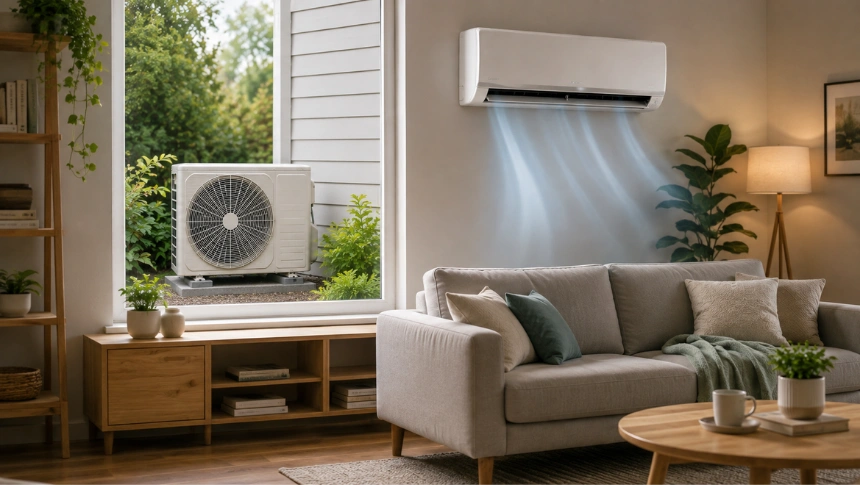
Good airflow helps your heat pump move warm or cool air around your home effectively. When indoor or outdoor airflow is restricted, the system may need to work harder to maintain your chosen temperature.
- Keep Vents Clear: Don’t cover indoor vents with furniture or other items.
- Give the Indoor Unit Space: Keep furniture and large objects away from the unit so air can move freely.
- Avoid Covering Outlets: Keep curtains and other materials away from air outlets.
- Clear the Outdoor Unit: Remove leaves, grass, dirt, and other debris from around the outdoor unit.
- Leave Enough Space: Make sure there is sufficient open space around the outdoor unit for proper airflow.
Clear airflow helps your heat pump distribute air effectively and operate without unnecessary strain.
6. Use Timers and Schedules
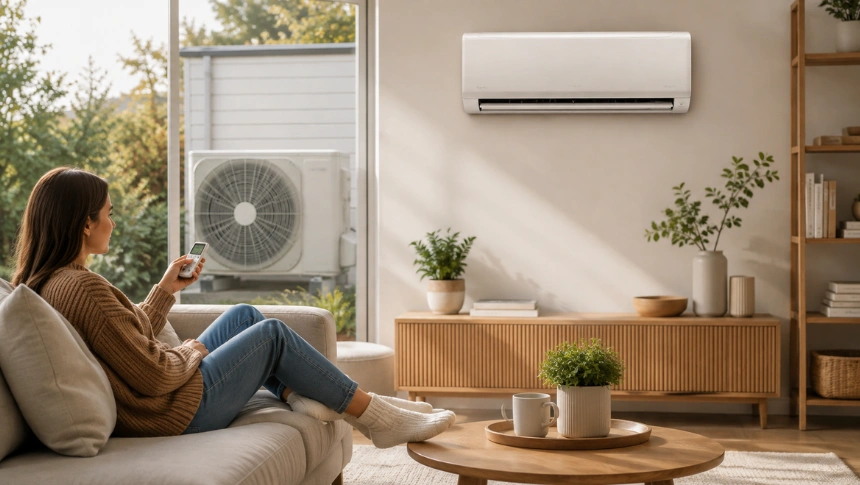
Using timers can help you match your heat pump’s operation with your daily routine. Instead of running the system when no one is home, you can schedule heating or cooling around the times your household actually needs it.
- Match Your Routine: Set the heat pump to operate around your usual wake-up, work, and sleep times.
- Avoid Empty Rooms: Don’t run heating or cooling unnecessarily when the home or room is not being used.
- Use Timer Functions: Take advantage of timer settings if your heat pump includes them.
- Adjust Seasonally: Change schedules as your daily routine and weather conditions change.
- Follow Instructions: Use the manufacturer’s guide when setting advanced timer or scheduling functions
Using timers appropriately can help match heat pump operation with when your household actually needs it, while avoiding unnecessary energy use.
7. Don’t Constantly Change the Temperature
Frequently changing your heat pump between very high and very low temperatures can make it harder to maintain steady comfort. Instead, choose a comfortable setting and give the system enough time to reach and maintain it.
- Avoid Extreme Changes: Don’t repeatedly switch between very high heating and very low cooling settings.
- Give It Time: Allow the heat pump to reach the selected temperature before making another adjustment.
- Keep It Comfortable: Choose a sensible temperature that suits your household rather than constantly changing the setting.
- Make Gradual Adjustments: If the room feels too warm or cool, make small changes instead of large temperature jumps.
- Be Patient: Large temperature changes won’t always make the room comfortable immediately.
Consistent and sensible temperature settings can help provide more stable comfort while avoiding unnecessary energy use.
8. Improve Your Home’s Insulation and Draught Control
Your heat pump can work more efficiently when your home is able to hold onto the temperature you’ve selected. Poor insulation and draughts can allow heat to escape in winter or make it harder to keep rooms cool in warmer weather.
- Check Insulation: Good insulation helps your home maintain a more stable indoor temperature.
- Look for Draughts: Check around doors and windows for obvious gaps where outdoor air can enter.
- Use Curtains: Closing curtains can help reduce heat loss through windows, particularly during colder weather.
- Check Doors and Windows: Make sure they close properly and don’t have noticeable gaps.
- Improve Weak Areas: Addressing obvious insulation or draught problems can make your home more comfortable.
More comfortable and well-insulated home can reduce the amount of work your heat pump needs to do.
9. Schedule Regular Heat Pump Maintenance
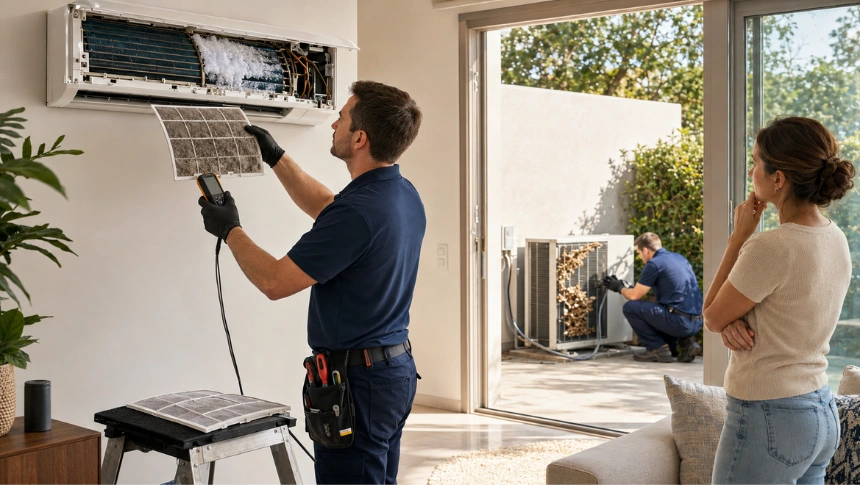
Regular maintenance helps keep your heat pump working efficiently and can help you spot small problems before they affect performance. A few simple checks throughout the year can also reduce unnecessary strain on the system.
- Check the Filters: Inspect and clean the filters regularly to maintain good airflow.
- Keep the Outdoor Unit Clear: Remove leaves, dirt, grass, and other debris around the unit.
- Listen for Unusual Noises: Pay attention to new or unusual sounds that may indicate a developing issue.
- Watch Performance: Notice any changes in heating or cooling performance and address them early.
- Arrange Professional Servicing: Have the system professionally checked when required or according to the manufacturer’s recommendations.
Following a Heat Pump Maintenance Checklist can help you stay on top of simple maintenance tasks throughout the year.
When Should You Contact a Professional?
Not every heat pump issue can be solved with basic cleaning or changing the settings. If your system isn’t heating or cooling properly, your electricity use has increased without a clear reason, or unusual noises continue, it may be time to have it professionally checked. Repeated error codes, water leaks, or frequent repairs are also signs that there could be an underlying problem that needs attention.
If you’re unsure about your heat pump’s performance, a professional assessment can help identify the cause and recommend the right solution. If your system isn’t performing as expected, professional heat pump service NZ can identify potential problems and help maintain efficient operation. Getting problems checked early can help prevent further damage, reduce unnecessary repair costs, and keep your home comfortable throughout the year.
Conclusion
Using your heat pump efficiently starts with a few simple daily habits. Choose a sensible temperature, use the correct operating mode, and avoid constantly changing the settings. Keeping filters and vents clean, maintaining clear space around the outdoor unit, and using timers around your household routine can also help reduce unnecessary energy use. Improving insulation and reducing draughts can make it easier for your home to maintain a comfortable temperature.
Regular maintenance is also important for keeping your heat pump working well throughout the year. Pay attention to changes in heating or cooling performance and address problems early rather than waiting for the system to stop working. Contact Clean Energy Solutions for professional heat pump servicing, expert advice, and support to keep your system operating efficiently throughout the year.