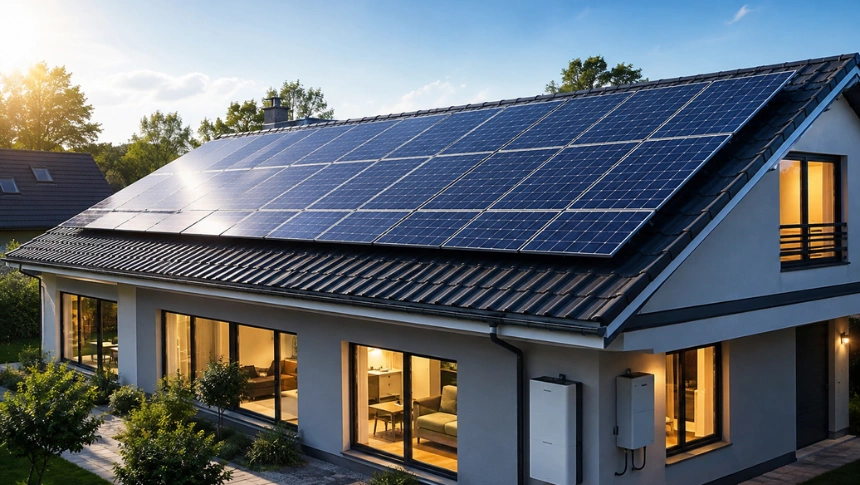

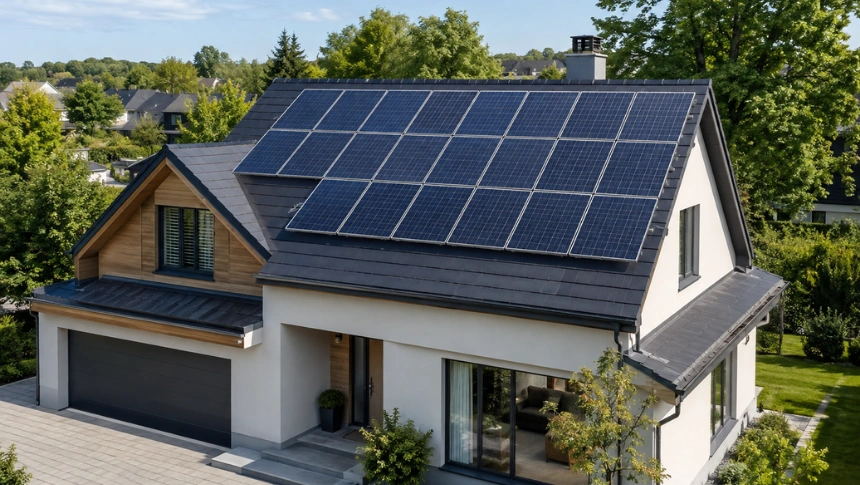
If you’re considering solar for your home, one of the first questions you may have is, “How many solar panels do I need?” There isn’t a single number that suits every household. The right amount depends on how much electricity you use, the output of the panels, available roof space, sunlight and your everyday energy habits.
A larger home doesn’t automatically mean you need more panels. A smaller, energy-intensive household could have higher electricity needs than a larger energy-efficient home. Understanding How Do Solar Panels Work? can also help you see why panel output and your home’s energy requirements matter when choosing the right solar system.
How Many Solar Panels Does a Home Usually Need?
There is no universal number of solar panels that will work for every home. The right number depends mainly on how much electricity your household uses and how much energy each panel can generate. A home with higher electricity consumption will generally need a larger solar system to produce enough energy to make a meaningful difference to its electricity use.
Panel wattage also matters because higher-output panels can provide more generation from each individual panel. However, the panel count is only part of the picture. Roof orientation, available roof space and shading can all affect how much electricity the system can actually generate. This means two homes with similar electricity usage may still require different solar panel setups. The best approach is to size the system around your home’s actual energy needs and installation conditions.
What Determines How Many Solar Panels You Need?
Looking at these factors together gives you a more realistic idea of the system size required.
Your Household Electricity Usage
Your electricity bills are one of the best places to start when estimating your solar requirements. Look at both your regular and seasonal usage to get a clearer picture of your home’s energy needs.
- Check previous bills: Review your electricity consumption over the past year where possible.
- Consider seasonal changes: Heating, cooling and other seasonal appliances can change how much electricity you use.
- Higher usage may require more panels: Homes with consistently higher electricity consumption may need a larger solar system.
Solar Panel Wattage
Not all solar panels produce the same amount of electricity. Their power rating can affect how many panels are needed to achieve a particular system capacity.
- Check the panel rating: Solar panels are available with different wattage ratings.
- Higher-wattage panels: These can provide more generation per panel under suitable conditions.
- Don’t focus only on panel count: A system with fewer high-output panels may have a similar capacity to one with more lower-output panels.
Available Sunlight
The amount of sunlight reaching your roof directly affects how much electricity your panels can generate.
- Location matters: Solar generation can vary depending on where your property is located.
- Seasonal conditions: The amount of available sunlight changes throughout the year.
- Watch for shading: Trees, neighbouring buildings and other structures can reduce sunlight reaching the panels.
Roof Space and Orientation
Your roof needs enough suitable space to accommodate the required number of panels. Its layout can also influence how the system is designed.
- Available roof area: Limited roof space can restrict the number of panels that can be installed.
- Roof direction and pitch: These can affect how much sunlight the panels receive.
- Roof features: Skylights, vents and other structures may influence panel placement and the overall layout.
Household Energy Habits
How your household uses electricity is just as important as how much electricity it uses. Understanding your daily routine can help determine whether the system needs to accommodate significant daytime or evening demand.
- Daytime electricity use: Appliances used during daylight hours can make direct use of solar generation easier.
- Heating and cooling: Heat pumps and other systems can increase electricity demand.
- Hot water: Electric hot water systems can contribute significantly to household consumption.
- Appliances: Consider your regular use of major electrical appliances.
- Electric vehicles: EV charging can substantially increase future electricity requirements.
- Future changes: Think about planned additions such as an EV, heat pump or other electrical equipment when choosing your system size.
Considering these factors together helps ensure your solar system is sized to meet your current needs while allowing for future energy use.
How Do You Calculate How Many Solar Panels You Need?
Basic calculation can give you a starting point, but your home’s energy use and the conditions of your property also need to be considered.
1. Check Your Household Electricity Use
Start by reviewing your recent electricity bills or energy usage data.
- Look at your average electricity consumption.
- Consider seasonal changes in your usage.
- Identify how much electricity you would like solar to cover.
2. Estimate the Required Solar System Size
Once you understand your electricity needs, estimate the solar system capacity required to provide the amount of energy you want from solar.
- Consider your current electricity consumption.
- Think about whether you want to offset part or most of your usage.
- Allow for future changes in energy demand where relevant.
3. Check the Solar Panel Output
Solar panels have different power ratings, which affect the overall system capacity.
- Check the wattage of the panels you’re considering.
- Higher-wattage panels can provide greater capacity per panel.
- Calculate the combined capacity of the panels to understand the overall system size.
4. Consider Your Property Conditions
The amount of electricity your panels actually generate depends on more than their rated output.
Consider:
- Available sunlight
- Roof orientation
- Roof pitch
- Shading
- Available roof space
- Other installation conditions
5. Work Out the Approximate Panel Count
As a simple starting point, divide the required solar system capacity by the output of the selected panels. This gives you an estimated number of panels, rather than a guaranteed final figure.
For example: If your required system capacity is 5 kW and each panel has a 400 W output, the basic calculation would be 5,000 ÷ 400 = 12.5 panels, meaning the practical design would need to account for the available panel options and actual property conditions.
This calculation is only an estimate. Professional assessment can consider your electricity usage, roof conditions, sunlight and system requirements to determine the appropriate solar system size and panel count for your property.
Does a Bigger Home Always Need More Solar Panels?
The size of your home doesn’t automatically determine how many solar panels you need. A smaller property with several occupants and high electricity consumption could require a larger solar system than a bigger, energy-efficient home. What matters most is how much electricity the household actually uses.
What Can Increase Solar Energy Requirements?
Several factors can influence your household’s electricity demand:
- Number of occupants: More people can mean greater daily electricity use.
- Heating and cooling: Heat pumps and other systems can increase energy consumption.
- Hot water: Electric hot water systems can contribute significantly to overall usage.
- Appliances: Frequent use of major appliances can increase electricity demand.
- Electric vehicle charging: An EV can add considerably to household electricity consumption.
This provides a much more useful basis for determining the appropriate solar system size.
Should You Install More Solar Panels Than You Need?
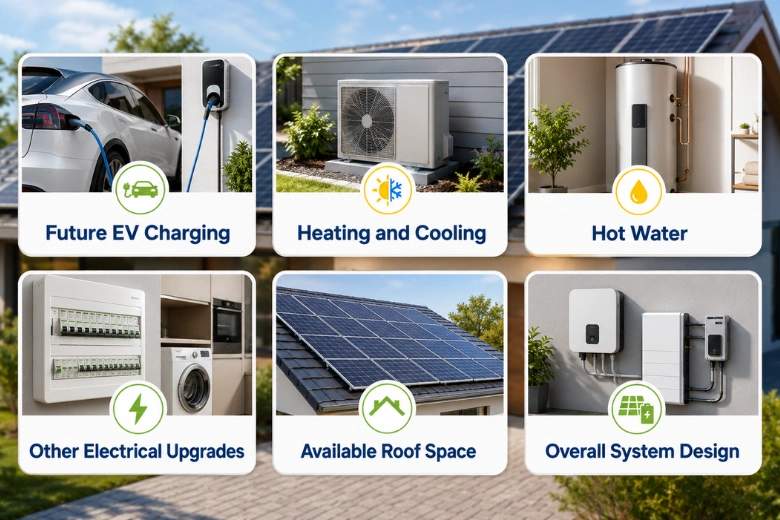
The decision should be based on how much electricity your home uses now, what you expect to use in the future, and whether your property can accommodate the additional panels.
- Future EV charging: If you’re planning to buy an electric vehicle, installing additional solar capacity could help meet the extra electricity demand from regular home charging.
- Heating and cooling: Adding or using a heat pump more frequently can increase household electricity consumption, so future heating and cooling needs may justify additional capacity.
- Hot water: If your home relies on electric hot water, changes to the system or increased usage could raise your future electricity requirements.
- Other electrical upgrades: New appliances or electrical equipment can increase energy demand. Planning for realistic future changes can help avoid choosing a system that becomes too small.
- Available roof space: Even if you need more generation, your roof must have enough suitable space for additional panels without creating impractical installation limitations.
- Overall system design: The inverter and other components need to be compatible with the planned solar capacity. The system should be designed as a complete solution rather than simply adding as many panels as possible.
The goal isn’t to install the maximum number of panels, but to choose a system that provides useful generation for your current and realistic future electricity needs.
How a Professional Can Determine the Right Number of Panels
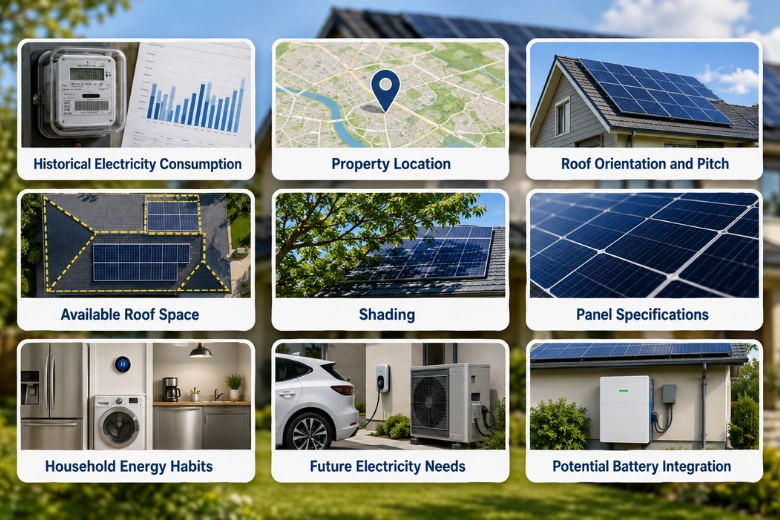
Professional assessment can look at several factors to determine a suitable system size.
- Historical electricity consumption: Your previous electricity usage helps establish how much energy your home typically needs throughout the year.
- Property location: Location can influence the amount of solar energy available and the expected generation from the system.
- Roof orientation and pitch: The direction and angle of your roof can affect how effectively the panels receive sunlight.
- Available roof space: The installer can determine how many panels can realistically fit while working around roof features and access requirements.
- Shading: Trees, nearby buildings and other obstructions can affect panel performance and need to be considered during system design.
- Panel specifications: Panel wattage and efficiency help determine the total capacity that can be achieved from the available space.
- Household energy habits: Heating, hot water, appliances, daytime usage and EV charging can all influence the system requirements.
- Future electricity needs: Planned changes, such as purchasing an EV or adding electrical appliances, can be considered before finalising the system.
- Potential battery integration: If you are considering a battery, the system can be designed with your current and future energy storage needs in mind.
Professional Solar Panel Installation can bring these factors together to create a system suited to your property’s energy requirements, rather than relying on a generic recommendation.
Conclusion
There is no fixed number of solar panels that will suit every home. Your electricity consumption is one of the most important factors, but panel wattage, available sunlight, roof space, orientation and shading also influence the size of system you may need. Your household’s daily energy habits and future plans, such as adding an electric vehicle or increasing heating and cooling use, are also worth considering.
A solar battery may be useful if you use more electricity when your panels are not generating, but it isn’t necessary for every household. Rather than choosing a system based only on panel numbers, a property-specific assessment can help you make a more suitable decision. Contact Clean Energy Solutions for professional solar advice and installation, and find out how many solar panels could be suitable for your home’s energy needs.