
Have you ever wiped condensation from your windows in the morning, noticed a musty smell in certain rooms, or found mould appearing in corners despite your best efforts to keep your home clean?
These are common problems many homeowners face, especially during colder months when homes are kept closed to retain warmth. Excess moisture indoors can make living spaces feel damp, uncomfortable, and less healthy for everyone in the household.
When moisture problems become persistent, many people start looking for solutions and often come across two popular options: ventilation systems and dehumidifiers. While both can help reduce moisture levels, they work in very different ways and are designed to solve different problems. Understanding how each option works can help you make a more informed decision for your home. In this guide, we will compare ventilation systems and dehumidifiers, explore their benefits, and help you determine which solution is best suited to your needs.
What is a Ventilation System?
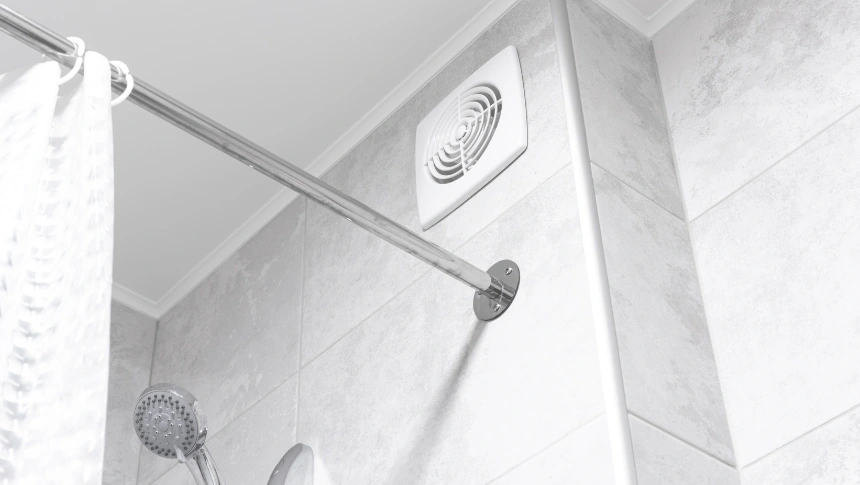
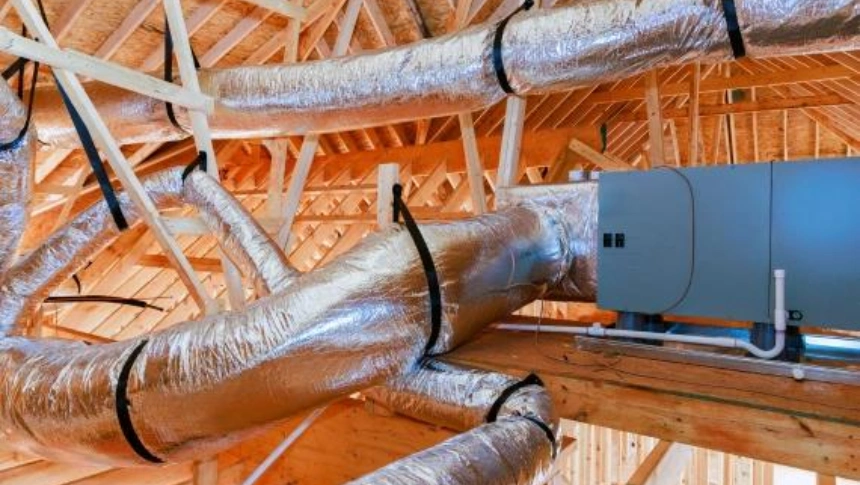
A ventilation system improves airflow inside your home by removing stale, moisture filled air and replacing it with fresh air. It works continuously to help control humidity, reduce condensation, and create a healthier indoor environment.
By managing moisture from everyday activities such as cooking, showering, and drying clothes, ventilation systems help prevent dampness and mould growth. They also improve indoor air quality by removing stale air, odours, and airborne pollutants.
A ventilation system helps control moisture, reduce condensation, and improve indoor air quality, making your home healthier and more comfortable throughout the year.
What is a Dehumidifier?
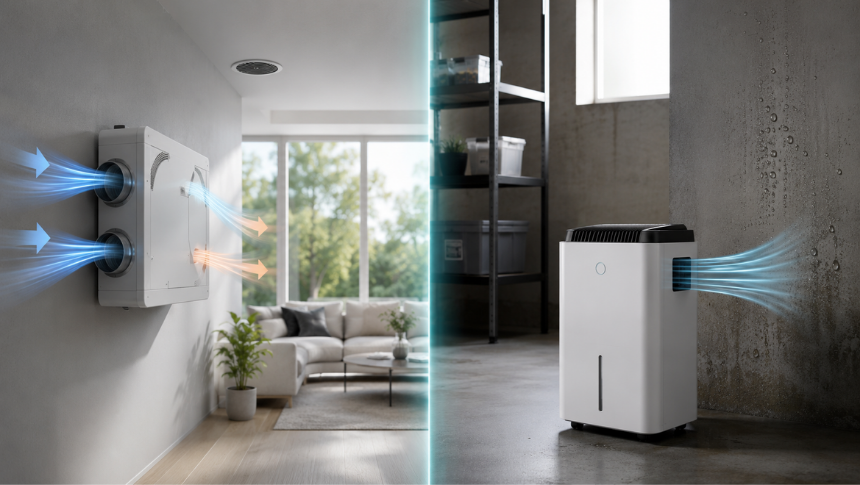
A dehumidifier is a device designed to remove excess moisture from the air. It works by drawing in humid air, extracting the moisture, and then releasing drier air back into the room.
Dehumidifiers are commonly used in areas that experience dampness, condensation, or high humidity levels. They can be particularly useful in bedrooms, living areas, basements, laundry rooms, and other spaces where excess moisture is a recurring problem.
Unlike ventilation systems, dehumidifiers focus mainly on reducing indoor humidity rather than introducing fresh air from outside. A dehumidifier helps lower moisture levels inside the home, making it useful for reducing dampness, condensation, and humidity related problems in specific areas.
Ventilation System vs Dehumidifier: Key Differences
Both ventilation systems and dehumidifiers help reduce moisture problems inside the home, but they work in very different ways. Understanding these differences can help you choose the right solution based on your home’s specific needs.
| Feature | Ventilation System | Dehumidifier |
|---|---|---|
| Main Purpose | Improves airflow and removes stale air | Removes excess moisture from the air |
| How It Works | Replaces indoor air with fresh air | Extracts moisture and releases drier air |
| Fresh Air Supply | Yes | No |
| Moisture Control | Controls moisture throughout the home | Reduces humidity in specific rooms |
| Indoor Air Quality | Improves air quality by removing stale air and pollutants | Limited impact on air quality |
| Condensation Reduction | Helps reduce condensation by improving airflow | Helps reduce condensation by lowering humidity |
| Mould Prevention | Addresses one of the root causes of mould growth | Helps control moisture that contributes to mould |
| Coverage Area | Can serve multiple rooms or the entire home | Usually effective in a single room or area |
| Odour Removal | Helps remove stale and musty odours | Does not actively replace stale air |
| Energy Efficiency | Depends on system type and usage | Depends on unit size and operating hours |
| Best For | Long term moisture and airflow management | Targeted humidity reduction in problem areas |
| Installation | Requires professional installation in most cases | Usually portable and ready to use |
The best option depends on whether you need a long term whole home solution or a targeted approach for specific humidity problems.
How Ventilation Systems Help Control Moisture
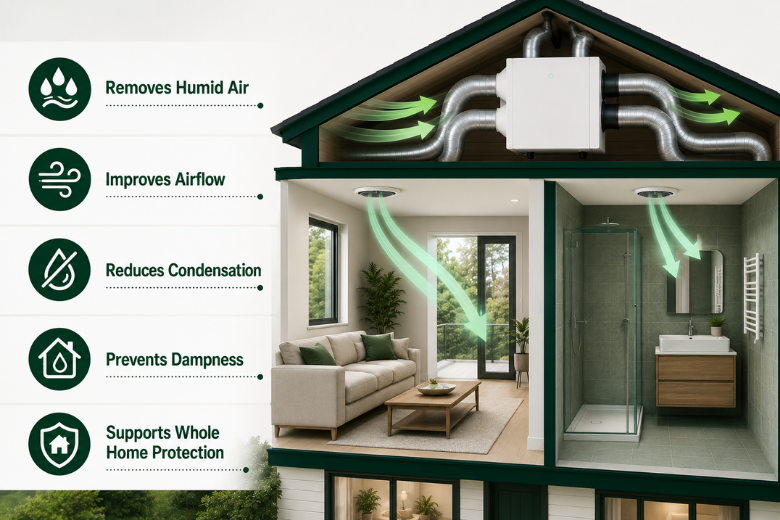
By maintaining better air circulation throughout the property, ventilation systems help create a drier and healthier indoor environment.
Removes Humid Air
Ventilation systems remove moisture laden air generated from daily activities such as cooking, showering, and drying clothes. This helps prevent humidity from building up inside the home.
Improves Airflow
Good airflow allows fresh air to circulate throughout living spaces while reducing the likelihood of damp air becoming trapped in certain areas.
Reduces Condensation
By lowering indoor humidity levels, ventilation systems help minimise condensation that commonly forms on windows, walls, and ceilings.
Prevents Dampness
Continuous airflow helps keep indoor surfaces drier, reducing the damp conditions that often lead to mould growth and moisture related damage.
Supports Whole Home Protection
Unlike solutions that focus on a single room, ventilation systems can help manage moisture throughout multiple areas of the home, providing more consistent results.
Ventilation systems help control moisture by removing humid air, improving airflow, and reducing condensation. This creates a healthier indoor environment while helping protect your home from dampness and mould problems.
How Dehumidifiers Help Control Moisture
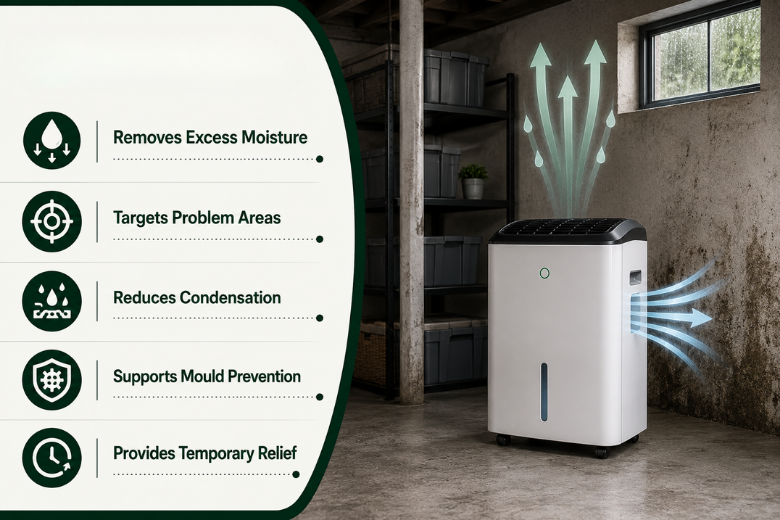
While they do not improve airflow or bring fresh air into the home, they can help create more comfortable indoor conditions by lowering humidity levels.
Removes Excess Moisture
A dehumidifier continuously extracts moisture from indoor air, helping reduce humidity levels and making rooms feel drier and more comfortable.
Targets Problem Areas
Dehumidifiers are particularly useful in rooms where moisture problems are most noticeable, such as bedrooms, laundry rooms, basements, or storage areas.
Reduces Condensation
By lowering the amount of moisture in the air, dehumidifiers can help minimise condensation on windows and other surfaces.
Supports Mould Prevention
Less moisture in the air means fewer opportunities for mould to grow, especially in areas that are prone to dampness.
Provides Temporary Relief
Dehumidifiers can be effective for managing moisture issues, but they mainly address the symptoms rather than the underlying cause of poor airflow or ventilation.
They can be a useful solution for temporary or localised moisture problems, particularly in rooms where dampness is a recurring concern.
Which Option is Better for Mould Prevention?
When comparing a ventilation system and a dehumidifier for mould prevention, it is important to understand that both help reduce moisture, but they do so in different ways. The best choice often depends on whether you want to address the root cause of the problem or simply manage the symptoms.
Understanding how each option performs can help you choose the most effective solution for long term mould control.
Ventilation Systems
- Improves Airflow: Continuously circulates air throughout the home, helping prevent moisture from becoming trapped in rooms.
- Removes Humid Air: Extracts moisture laden air generated from cooking, showering, and other daily activities.
- Reduces Condensation: Helps minimise water droplets forming on windows, walls, and ceilings by controlling humidity levels.
- Improves Air Quality: Removes stale air and introduces fresher air, creating a healthier indoor environment.
- Long Term Solution: Addresses the root causes of mould by controlling moisture and improving overall ventilation.
Dehumidifiers
- Removes Moisture: Extracts excess moisture from indoor air to help lower humidity levels.
- Targets Specific Areas: Works well in individual rooms that regularly experience dampness or condensation.
- Reduces Dampness: Helps create drier indoor conditions and makes rooms feel more comfortable.
- Quick Results: Can provide relatively fast relief from high humidity and moisture problems.
- Portable Option: Many dehumidifiers can be moved between rooms as needed to target different problem areas.
By improving airflow and controlling humidity throughout the home, they help create conditions where mould is far less likely to grow.
Best Choice for Different Situations
Understanding which option works best in different situations can help you make a more informed decision.
Homes with Condensation Problems
If condensation regularly forms on windows, walls, or ceilings, a ventilation system is often the better choice. It helps remove humid air and improve airflow throughout the home, reducing the conditions that cause condensation.
Homes with Mould Issues
For homes experiencing recurring mould growth, a ventilation system is usually the most effective long term solution. It addresses the underlying moisture and airflow problems that allow mould to develop and spread.
Bathrooms and Kitchens
These areas generate large amounts of moisture through showering, cooking, and washing. A ventilation system is generally more effective because it continuously removes humid air before it can build up.
Bedrooms
If bedrooms feel damp, stuffy, or develop condensation overnight, a ventilation system can help improve airflow and maintain healthier humidity levels while you sleep.
Older Homes
Older homes often have natural airflow through gaps and openings, but some rooms may still experience dampness. Depending on the issue, either a dehumidifier or a ventilation system may be suitable, although ventilation usually provides broader benefits.
Newer Airtight Homes
Modern homes are designed to be highly insulated and energy efficient, which can trap moisture indoors. In these situations, a ventilation system is often the preferred solution because it introduces fresh air while removing stale, humid air.
The best choice depends on the type of moisture problem your home is experiencing. While dehumidifiers can help with localised humidity issues, ventilation systems are generally the better long term solution for controlling condensation, preventing mould, and improving overall indoor air quality.
Common Mistakes to Avoid
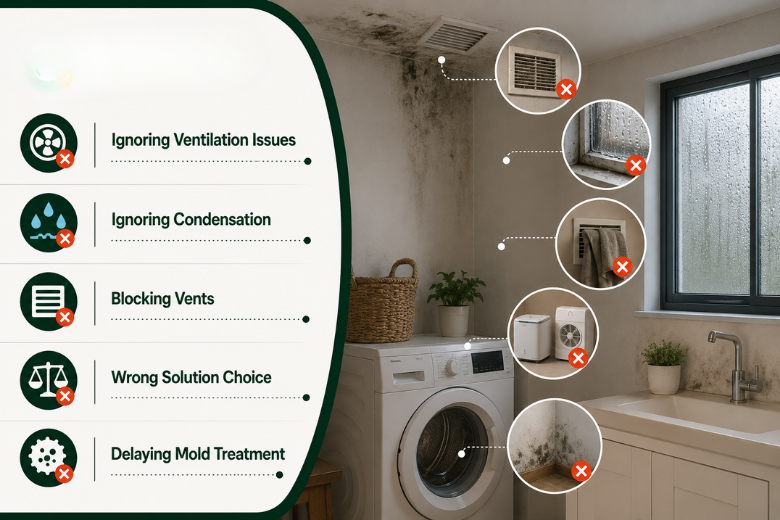
Small mistakes can reduce the effectiveness of both ventilation systems and dehumidifiers, leading to ongoing condensation and mould issues.
- Ignoring Ventilation Issues: Relying only on a dehumidifier may reduce moisture temporarily, but it does not solve underlying airflow and ventilation problems that often cause condensation and mould.
- Ignoring Condensation: Regular condensation on windows, walls, or ceilings should never be overlooked, as it is often an early warning sign of excess moisture inside the home.
- Blocking Vents: Covering or blocking vents can restrict airflow and reduce the effectiveness of your ventilation system, allowing humidity to build up indoors.
- Wrong Solution Choice: Choosing a dehumidifier when the home actually needs better ventilation can lead to ongoing moisture problems and disappointing long term results.
- Delaying Mould Treatment: Small mould patches can spread quickly if left untreated. Addressing mould and its underlying cause early helps prevent larger and more expensive problems later.
Taking action early helps protect your home from long term condensation, dampness, and mould related problems.
When Should You Contact Professionals?
If condensation, mould, or poor air quality remain ongoing issues, it may be time to seek professional advice to identify the root cause and find the most effective solution.
Persistent Condensation
If condensation regularly appears on windows, walls, or ceilings, even after trying basic moisture control methods, it may indicate a larger ventilation problem that needs professional attention.
Ongoing Mould Problems
Mould that repeatedly returns after cleaning is often a sign that excess moisture is still present. Identifying and addressing the source of the moisture is essential for long term mould prevention.
Poor Indoor Air Quality
Musty odours, stuffy rooms, and stale indoor air can indicate inadequate airflow. A professional can assess your home’s ventilation needs and recommend improvements.
Unsure Which Solution
Choosing between a ventilation system and a dehumidifier can be confusing. Professional guidance helps ensure you invest in the solution that best suits your home’s specific conditions.
Professional Assessment
If moisture problems continue despite your efforts, a professional ventilation system solution can help identify airflow issues, control humidity levels, and improve overall indoor comfort.
The right assessment can improve indoor air quality, reduce condensation, and help protect your home from long term mould issues.
Conclusion
Both ventilation systems and dehumidifiers can help manage moisture problems, but they work in different ways. A dehumidifier focuses on removing excess moisture from the air in specific areas, while a ventilation system improves airflow throughout the home by removing stale, humid air and introducing fresher air.
The best solution depends on what is causing the moisture problem in the first place. If you are dealing with occasional humidity in a single room, a dehumidifier may be sufficient. However, if condensation, mould, and poor indoor air quality are ongoing concerns, a ventilation system often provides a more effective long term solution by addressing the underlying cause of the problem.
By improving airflow, reducing condensation, and creating a healthier indoor environment, ventilation can help protect your home and improve comfort throughout the year. If you are unsure which option is right for your property, contact Clean Energy Solutions for expert advice. Our team can assess your home’s specific needs and recommend the most suitable solution, including professional ventilation system installation for long term moisture control and healthier indoor living.