
Choosing the right heat pump is not always as simple as it seems. Many homeowners spend a lot of time comparing floor mounted and wall mounted systems because they want a solution that keeps their home comfortable without increasing energy bills or wasting space. Making the wrong choice can lead to uneven heating, poor airflow, and long term frustration.
The good news is that both floor mounted and wall mounted heat pumps offer different advantages depending on your room layout, comfort needs, and home design. Understanding how each system works can make the decision much easier. In this guide, you will learn the key differences between both options, including heating performance, efficiency, installation, and which type may be the better fit for your home.
What is a Floor Mounted Heat Pump?
A floor mounted heat pump is a type of heat pump that is installed near the bottom of a wall, close to floor level. Unlike wall mounted systems that distribute air from above, floor mounted units release warm air from a lower position, helping heat spread naturally throughout the room.
These systems are designed to provide comfortable heating and cooling while fitting into spaces where wall mounted units may not be practical. They are especially popular in older homes, rooms with limited wall space, or areas with large windows where upper wall installation is difficult.
Benefits of Floor Mounted Heat Pumps
Floor mounted heat pumps offer several advantages for homeowners looking for efficient and flexible heating solutions. Their design makes them suitable for different room layouts and home styles.
- Direct Heating: Floor mounted systems release warm air closer to the ground, helping rooms feel warm faster and more evenly during winter.
- Older Homes: They are a practical option for older homes where wall space may be limited due to windows or room design.
- Easy Cleaning: Because the unit is installed lower on the wall, cleaning filters and performing maintenance becomes easier.
- Flexible Placement: These systems work well in rooms with low wall space, sloped ceilings, or large windows where wall mounted units may not fit properly.
- Comfortable Warmth: Warm air rises naturally from the lower position, helping maintain a comfortable indoor temperature.
What is a Wall Mounted Heat Pump?
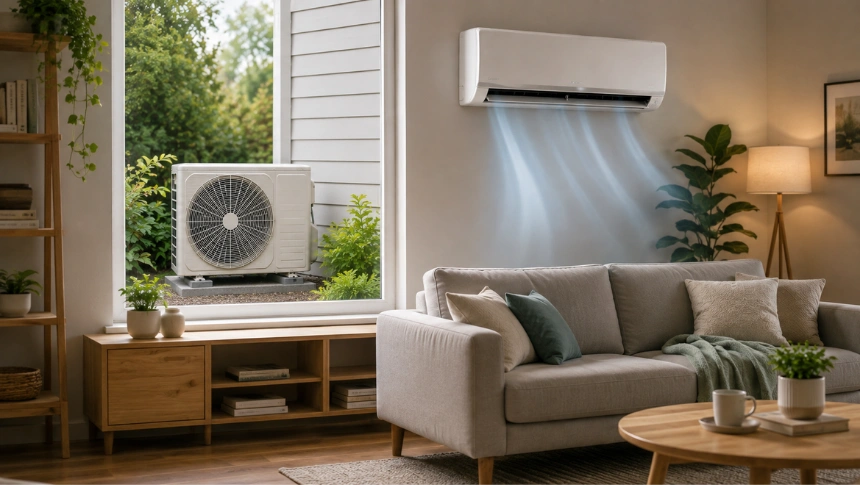
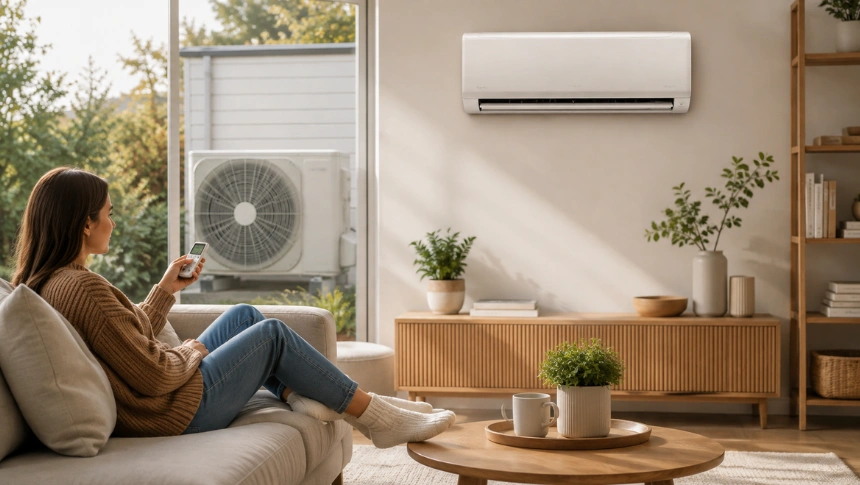
A wall mounted heat pump is a heating and cooling system installed high on an interior wall, usually near the ceiling. It is one of the most common types of heat pumps used in New Zealand homes because of its compact design, strong airflow, and ability to efficiently heat or cool different room sizes.
These systems are designed to distribute air from an elevated position, allowing airflow to spread evenly across the room. Because of this, many homeowners choose professional Wall Mounted Heat Pump installation to improve comfort, airflow, and energy efficiency in their homes.
Benefits of Wall Mounted Heat Pumps
Wall mounted heat pumps are one of the most popular choices for modern homes because of their efficient performance and space saving design.
- Space Saving: Wall mounted units are installed higher on the wall, which keeps floor space completely free and makes rooms feel less crowded.
- Strong Airflow: Their elevated position helps distribute air evenly across the room, improving both heating and cooling performance.
- Modern Design: These systems have a sleek and compact appearance that blends well with modern home interiors.
- Year Round Comfort: Wall mounted heat pumps are effective for both heating during winter and cooling during summer, making them suitable for all seasons.
- Large Coverage: They can efficiently cover larger spaces and open plan areas with better airflow circulation.
Wall mounted heat pumps are a practical option for homeowners looking for strong airflow, modern appearance, and efficient year round comfort while saving indoor space.
Key Differences Between Floor Mounted and Wall Mounted Heat Pumps
Both floor mounted and wall mounted heat pumps offer efficient heating and cooling, but they differ in installation style, airflow direction, and room suitability.
| Feature | Floor Mounted Heat Pump | Wall Mounted Heat Pump |
|---|---|---|
| Installation Position | Installed near the floor | Installed higher on the wall |
| Heating Style | Provides lower level heating | Distributes air from above |
| Cooling Performance | Good for heating focused use | Better cooling airflow coverage |
| Space Usage | Uses lower wall space | Saves floor space completely |
| Maintenance Access | Easier to clean and maintain | May require ladder for cleaning |
| Best For | Older homes and limited wall space | Modern homes and open areas |
| Airflow Direction | Warm air rises naturally upward | Air spreads across larger area |
| Appearance | More visible at lower level | Sleek and modern appearance |
| Installation Flexibility | Good for rooms with large windows | Suitable for most wall layouts |
| Popular Usage | Winter heating comfort | Year-round heating and cooling |
Both options have their own advantages depending on your room layout, comfort preference, and heating or cooling requirements.
Floor Mounted Heat Pump vs Wall Mounted Heat Pump
Choosing between a floor mounted and wall mounted heat pump can affect your comfort, airflow, and room layout. Understanding the differences between both systems helps you make the right decision for your home.
Installation Position
The installation position of a heat pump affects airflow direction, heating efficiency, and how the system fits within your room layout. Both floor mounted and wall mounted systems are installed differently to suit different home requirements.
- Floor Mounted Heat Pump: Floor mounted systems are installed near the ground, usually along the bottom part of a wall. This lower position helps warm air rise naturally throughout the room, making it effective for winter heating.
- Wall Mounted Heat Pump: Wall mounted systems are installed higher on the wall, usually close to the ceiling. This elevated placement allows air to spread across a larger area and improves overall airflow coverage.
The installation position plays an important role in comfort and airflow performance. Choosing the right placement depends on your room layout, available space, and heating or cooling needs.
Heating Performance
Heating performance is one of the main factors homeowners consider when choosing between floor mounted and wall mounted systems. Both options provide effective heating but distribute warmth differently.
- Floor Mounted Heat Pump: Floor mounted heat pumps provide direct lower level heating, which helps rooms feel warm faster during colder months. Since warm air rises naturally, they often create a comfortable heating effect near the floor area.
- Wall Mounted Heat Pump: Wall mounted systems distribute warm air from above, making them suitable for larger rooms and open plan spaces where broader airflow coverage is needed.
Both systems heat effectively, but the experience can feel different depending on room size and airflow direction. The right option depends on the type of comfort you prefer in your home.
Cooling Performance
Cooling performance is another important difference between these two systems, especially during warmer months. Airflow direction greatly affects how efficiently cool air spreads inside the room.
- Floor Mounted Heat Pump: Floor mounted systems can cool effectively, but they are generally more preferred for heating performance than cooling coverage.
- Wall Mounted Heat Pump: Wall mounted heat pumps are often considered better for cooling because cool air naturally moves downward from a higher position, helping cover the room more evenly.
If cooling performance is a priority, wall mounted systems may provide better airflow distribution. However, both options can still deliver comfortable cooling when installed correctly.
Space Usage
The way a heat pump uses room space can affect furniture placement, interior design, and overall room appearance.
- Floor Mounted Heat Pump: These systems occupy lower wall space and may slightly limit where furniture can be placed within the room.
- Wall Mounted Heat Pump: Wall mounted units keep floor and lower wall areas free, making them ideal for smaller or modern spaces where saving room is important.
Space availability is an important factor when choosing between both systems. The best option depends on your room layout and how you plan to use the space.
Maintenance Access
Easy maintenance helps keep your heat pump efficient and reduces long term issues. Accessibility can make regular cleaning more convenient.
- Floor Mounted Heat Pump: Because these units are installed lower, cleaning filters and performing basic maintenance is easier for homeowners.
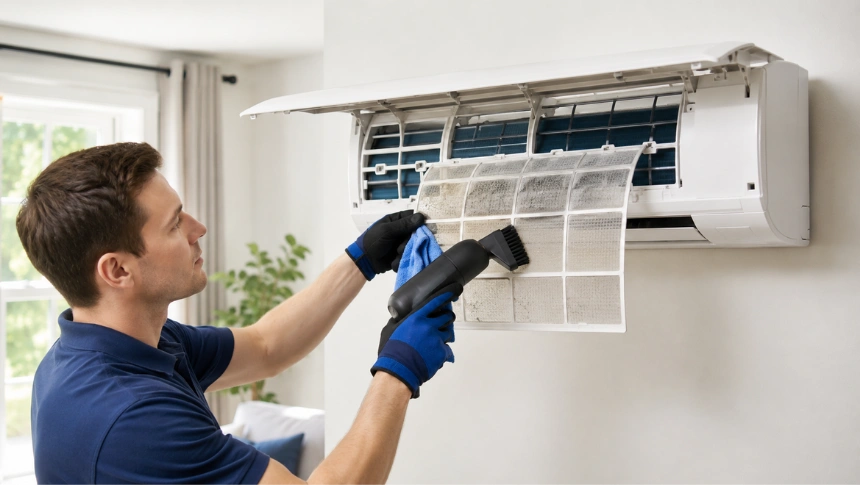
- Wall Mounted Heat Pump: Wall mounted systems may require a ladder or professional assistance for deep cleaning because of their higher installation position.
Both systems require regular maintenance, but accessibility differs depending on installation height. Easy access can make routine cleaning more convenient over time.
Understanding their differences helps you choose a system that delivers better efficiency, comfort, and long term performance for your home.
Which Option is Better for Small Rooms?
Choosing the right heat pump for a small room is important because limited space can affect airflow, comfort, and overall efficiency. A system that is too large or poorly positioned may make the room feel crowded and reduce heating or cooling performance.
Both floor mounted and wall mounted heat pumps can work in smaller spaces, but the best option depends on room layout, furniture placement, and available wall space.
Wall Mounted Heat Pumps for Small Rooms
Wall mounted heat pumps are often the preferred option for compact spaces because they are installed higher on the wall and keep floor areas completely free. This helps small rooms feel more open and less cluttered.
Their elevated position also allows air to spread more evenly across the room, improving both heating and cooling coverage without taking up valuable space.
Floor Mounted Heat Pumps for Small Rooms
Floor mounted systems can still work well in smaller rooms, especially when upper wall space is limited due to windows or room design. However, because they use lower wall space, they may slightly affect furniture placement in compact areas.
They are usually more suitable for rooms where comfortable lower level heating is a higher priority than space saving.
Things to Consider
- Available Wall Space: Check whether your room has enough free wall area for proper installation. Large windows or storage units may limit placement options.
- Furniture Placement: Furniture positioned too close to the unit can block airflow and reduce heating or cooling efficiency.
- Airflow Direction: Proper airflow is important in small rooms to ensure even temperature distribution without hot or cold spots.
- Ceiling Height: Higher ceilings may affect how efficiently warm air spreads, especially in compact spaces.
For most compact rooms, wall mounted heat pumps are usually the more practical and space efficient option because they save floor space and provide wider airflow coverage.
How to Choose the Right Heat Pump
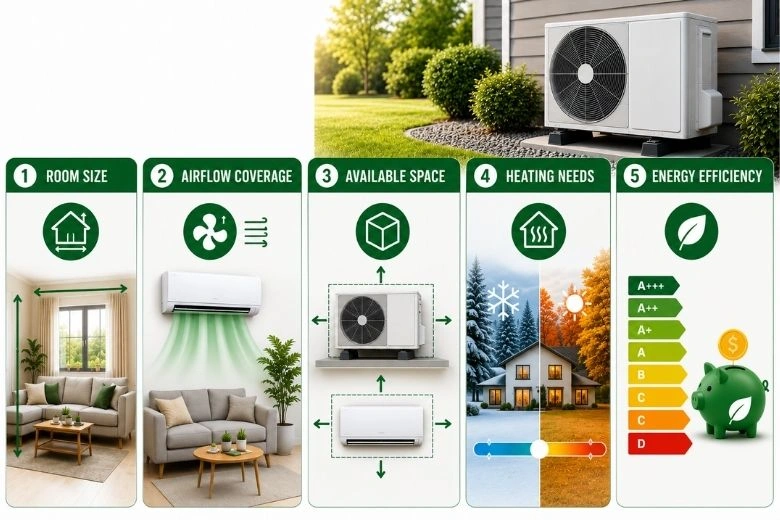
Choosing the right heat pump depends on your room layout, heating requirements, and the type of comfort you want in your home. Understanding a few important factors can help you make a better long term decision.
- Room Size: Choose a heat pump size that matches your room dimensions to ensure proper heating and cooling performance.
- Airflow Coverage: Consider how air will move through the room so the system can maintain even temperature throughout the space.
- Available Space: Check whether your room layout is better suited for a floor mounted or wall mounted system.
- Heating Needs: If winter heating is your priority, airflow direction and installation position become more important.
- Energy Efficiency: A properly sized and correctly installed system will perform more efficiently and reduce electricity costs.
- Professional Installation: For homeowners looking for a modern and space saving option, professional
- Wall Mounted Heat Pump installation can help improve airflow, efficiency, and long term comfort.
If you want a better understanding of the installation process, you can also read our detailed wall mounted heat pump installation guide before making your final decision.
Taking the time to compare both options carefully helps you choose a heat pump that suits your comfort, space, and long term performance needs.
When Should You Contact Professionals?
Basic research can help you understand different heat pump options, but professional advice ensures you choose the right system for your specific home conditions. Experts can properly assess your space and recommend the most suitable solution for long term comfort and efficiency.
- Accurate Sizing: Professionals calculate the correct heat pump size based on room dimensions, insulation, and airflow requirements.
- Better Placement: Experts identify the best installation position to improve airflow coverage and heating performance.
- Improved Efficiency: A properly selected and installed system uses energy more efficiently and helps reduce electricity costs.
- Reduced Problems: Professional guidance helps avoid common issues like uneven heating, blocked airflow, and poor system performance.
- Long Term Reliability: Correct installation and system selection help your heat pump last longer with fewer maintenance issues.
Professional recommendations help you avoid costly mistakes and ensure your heat pump performs efficiently for years. Expert advice can make the entire process easier and help you choose the best solution for your home.
Conclusion
Choosing between a floor mounted heat pump and a wall mounted heat pump depends on your room layout, heating needs, and comfort preferences. Both options can provide reliable heating and cooling when selected and installed correctly.
If you are still unsure which system is right for your home, it is always best to contact professionals for expert advice and proper assessment. The right guidance can help you improve comfort, increase energy efficiency, and ensure long term performance from your heat pump system.