
There is nothing more frustrating than turning on your heat pump during a cold winter day and still feeling uncomfortable inside your own home. Many homeowners expect instant warmth, but instead notice weak airflow, cold air coming from the unit, or rooms that never seem to heat properly no matter how long the system runs.
What makes it even more stressful is not knowing whether the issue is small or something expensive to repair. The good news is that many heating problems are caused by simple issues like dirty filters, blocked airflow, incorrect settings, or lack of maintenance. In this guide, you will learn the most common reasons why a heat pump is not heating properly, easy troubleshooting tips you can try yourself, and when it is the right time to contact professionals for expert help.
Why Your Heat Pump is Not Heating
A heat pump can stop heating for several reasons, and not all of them require major repairs. Some issues are simple maintenance problems, while others may need professional inspection.
Understanding the possible causes helps you identify the problem early and avoid bigger repair costs later.
Incorrect Thermostat Settings
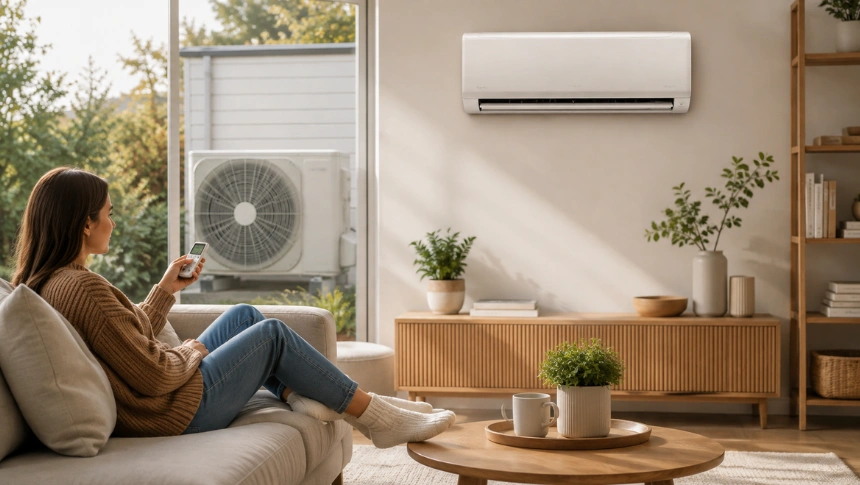
Sometimes the problem is not with the heat pump itself but simply with the thermostat settings. Many homeowners assume the system is faulty without first checking whether the thermostat is set correctly. Even a small setting mistake can stop your heat pump from producing warm air properly.
Your thermostat controls how and when the heat pump operates. If it is set to the wrong mode or temperature, the system may run without actually heating your home. This is why checking the thermostat should always be the first troubleshooting step before assuming there is a major issue.
Common Thermostat Setting Mistakes
- Wrong Mode Selected: If the thermostat is set to cooling mode instead of heating mode, your heat pump will not produce warm air.
- Fan Mode Enabled: When the fan is set to “Fan Only” mode, the system may circulate normal air without heating it.
- Low Temperature Setting: If the temperature is set too low, the heat pump may not activate properly or may stop heating sooner than expected.
- Auto Settings Issues: Sometimes automatic settings can switch modes unexpectedly, especially during changing weather conditions.
Taking a few moments to check the thermostat first can save time, avoid unnecessary stress, and prevent calling for repairs that may not be needed.
Dirty Air Filters
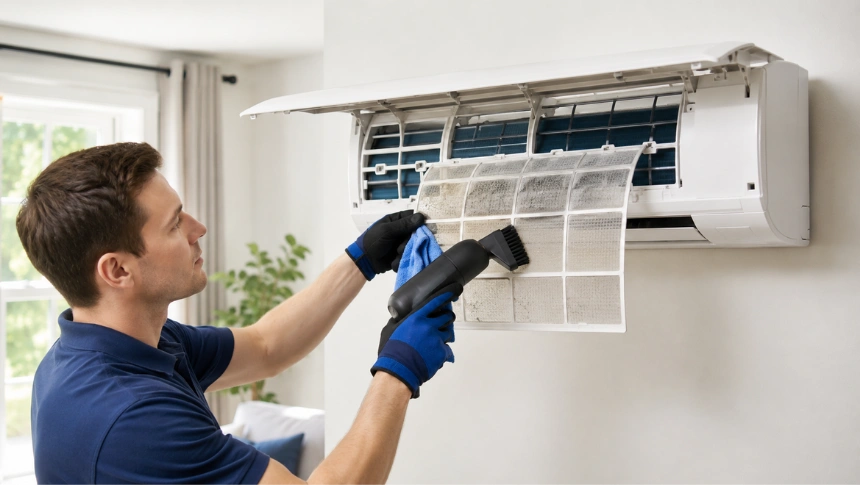
Dirty air filters are one of the most common reasons why a heat pump stops heating properly. Over time, filters collect dust, dirt, pet hair, and other particles from the air. When this buildup becomes too heavy, it blocks airflow and prevents the system from working efficiently.
A heat pump relies on proper airflow to circulate warm air throughout your home. If the filters are clogged, the system has to work much harder to push air through, which reduces heating performance and increases energy usage. This is why a simple dirty filter can sometimes make your entire home feel colder.
How Dirty Filters Affect Performance
When airflow becomes restricted, your heat pump cannot distribute warm air properly. You may notice weak airflow from the indoor unit or rooms taking much longer to heat up.
In some situations, clogged filters can also cause the system to overheat or freeze internally. To protect itself from damage, the heat pump may shut down automatically or stop heating effectively.
Common Signs of Dirty Filters
- Weak airflow from vents
- Reduced heating performance
- Higher electricity bills
- Dust buildup around the indoor unit
- Heat pump running longer than usual
How Often Should Filters Be Cleaned?
Air filters should generally be cleaned every few weeks, especially during periods of heavy use. Homes with pets, dust, or frequent heat pump usage may require more regular cleaning.
Keeping filters clean is one of the easiest ways to maintain your heat pump and improve overall efficiency.
Why Regular Cleaning Matters
Clean filters allow air to flow freely through the system, helping your heat pump heat your home faster and more efficiently. This reduces stress on internal components and helps lower electricity costs.
Regular filter maintenance also improves indoor air quality by reducing dust and allergens circulating inside your home.
Regular cleaning keeps airflow strong, improves heating efficiency, and helps your system operate smoothly throughout the year.
Outdoor Unit Problems
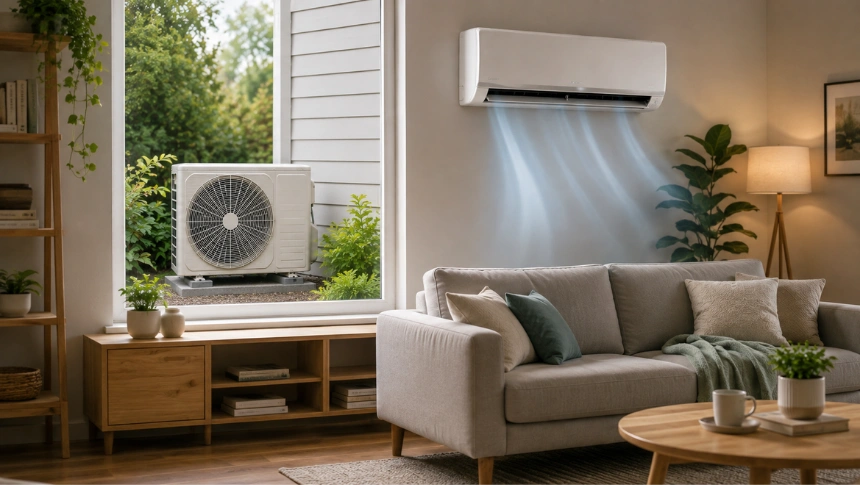
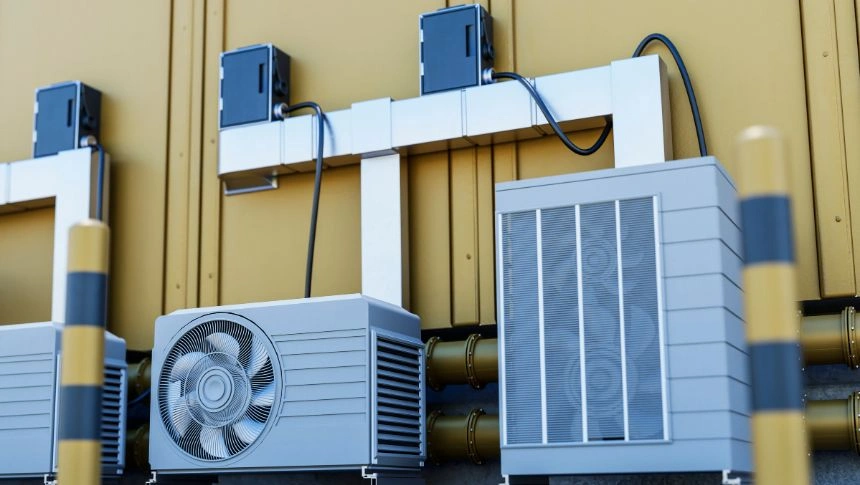
The outdoor unit is one of the most important parts of your heat pump system. It is responsible for absorbing heat from the outside air and helping warm your home. If the outdoor unit is blocked, dirty, or covered with debris, your heat pump may struggle to heat properly.
Many homeowners focus only on the indoor unit and forget that outdoor conditions can directly affect system performance. Even a small blockage around the outdoor unit can reduce airflow and make the system work much harder than necessary.
Common Outdoor Unit Issues
- Leaves and Debris: Leaves, dust, grass, and dirt can build up around the unit and block airflow. This prevents the system from operating efficiently.
- Ice Buildup: During winter, frost or ice may form around the outdoor unit. Excessive ice buildup can reduce the system’s ability to absorb heat from outside air.
- Blocked Airflow: Objects placed too close to the outdoor unit can restrict airflow and reduce heating performance.
- Dirty Coils: Outdoor coils covered with dirt or dust cannot transfer heat effectively, causing the system to lose efficiency.
How These Problems Affect Heating
When airflow around the outdoor unit becomes restricted, the heat pump cannot absorb enough heat from outside air. As a result, the system may blow lukewarm air or take much longer to heat your home.
The heat pump also has to work harder to maintain the desired temperature, which increases electricity usage and puts extra stress on internal components.
Simple Maintenance Tips
Keeping the outdoor unit clean and clear can improve performance significantly.
- Remove leaves and debris regularly
- Keep plants and objects away from the unit
- Check for ice buildup during winter
- Clean visible dirt around the unit carefully
Outdoor unit problems can greatly affect your heat pump’s heating performance, especially during winter. Keeping the area clean and ensuring proper airflow helps your system run efficiently and keeps your home comfortable throughout the colder mont
Low Refrigerant Levels
Refrigerant plays a very important role in how your heat pump heats your home. It is the substance that transfers heat through the system, allowing warm air to circulate indoors. If the refrigerant level becomes too low, the heat pump cannot absorb and transfer heat properly, which directly affects heating performance.
Low refrigerant levels are usually caused by leaks or internal system issues. Unlike normal maintenance tasks, this is not something homeowners can fix themselves. Refrigerant systems require professional tools and proper handling to diagnose and repair safely.
How Low Refrigerant Affects Heating
When refrigerant levels drop, your heat pump has to work much harder to produce warm air. Even though the system may continue running, it will struggle to maintain the desired temperature inside your home.
This often leads to poor heating performance, increased energy usage, and extra pressure on internal components.
Common Signs of Low Refrigerant
- Weak Heating: The heat pump may blow lukewarm or cool air instead of properly heating the room.
- Long Running Cycles: The system may run for longer periods without reaching the desired temperature.
- Higher Electricity Bills: Because the heat pump works harder to compensate, energy consumption often increases.
- Ice Formation: Ice may form on coils or refrigerant lines due to improper heat transfer inside the system.
- Unusual Sounds: Hissing or bubbling sounds can sometimes indicate refrigerant leaks.
What Happens if You Ignore It
Ignoring low refrigerant levels can cause serious long term damage to your heat pump. The system may continue losing efficiency until major components begin to fail.
Over time, this can lead to expensive repairs, reduced lifespan, and complete system breakdown.
Low refrigerant levels can significantly reduce your heat pump’s heating performance and increase operating costs. Identifying the problem early and contacting professionals for repair helps protect your system and ensures efficient heating during colder months.
Electrical or Power Issues
Electrical or power related problems can also stop your heat pump from heating properly. In some cases, the system may appear to be running normally, but certain internal components may not receive enough power to operate correctly. This can reduce heating performance or prevent the unit from producing warm air altogether.
Because heat pumps rely heavily on electrical components, even a small power issue can affect the entire system. These problems should never be ignored, as they may not only reduce efficiency but also create safety risks inside your home.
Common Electrical Problems
- Tripped Circuit Breaker: A circuit breaker may trip if the system experiences overload or electrical faults. When this happens, the heat pump may stop heating completely.
- Damaged Wiring: Loose, worn, or damaged wires can interrupt power flow and prevent certain components from functioning properly.
- Faulty Connections: Poor electrical connections inside the system can lead to inconsistent operation and heating problems.
- Power Supply Issues: Voltage fluctuations or unstable power supply can affect how efficiently the heat pump operates.
Signs of Electrical Problems
Electrical issues often show warning signs before the system completely stops working.
- Heat pump turning on and off unexpectedly
- No warm air despite the system running
- Burning smell near the unit
- Unusual clicking or buzzing sounds
- System not responding to thermostat settings
Electrical or power issues can significantly affect your heat pump’s heating performance and should never be ignored. Identifying the problem early and getting professional assistance helps keep your system safe, efficient, and reliable during colder months.
Heat Pump Defrost Mode
Many homeowners become concerned when their heat pump suddenly stops blowing warm air during winter. It may seem like the system has stopped working, especially if the outdoor unit is covered with frost or ice. However, in many situations, this is completely normal and part of how the system is designed to operate.
During cold weather, ice can naturally build up on the outdoor unit. To prevent this ice from affecting performance, the heat pump automatically switches into defrost mode for a short period. This process helps remove frost and keeps the system running efficiently.
What is Defrost Mode?
Defrost mode is a built in function that temporarily melts ice forming on the outdoor unit. When the system detects frost buildup, it briefly changes operation to warm the outdoor coils and remove the ice.
During this time, the heat pump may stop producing warm air indoors for several minutes. Once the ice is cleared, the system automatically returns to normal heating mode.
Signs Your Heat Pump is in Defrost Mode
- Temporary pause in heating
- Steam or mist coming from the outdoor unit
- Frost melting around the unit
- Outdoor fan stopping briefly
- Heating returning after a few minutes
Defrost mode is a normal part of heat pump operation during cold weather and helps keep the system running efficiently. While temporary pauses in heating are expected, any unusual or prolonged issues should be checked by a professional to ensure your system continues to perform properly.
Why Regular Maintenance Matters
Many heat pump problems develop gradually due to lack of maintenance. Regular servicing helps keep the system efficient, reliable, and problem free throughout the year.
- Early Detection: Regular maintenance helps identify small issues before they turn into major and expensive repairs.
- Better Efficiency: Cleaning and servicing improve airflow and system performance, helping the heat pump use less energy.
- Lower Costs: A well maintained system reduces electricity usage and helps avoid unexpected repair expenses.
- Smooth Performance: Regular servicing keeps all components working properly, ensuring consistent heating during colder months.
- Longer Lifespan: Proper care reduces wear and tear on internal parts, helping the heat pump last longer.
- Improved Comfort: A clean and efficient system maintains stable indoor temperature and better overall comfort.
Regular maintenance is one of the best ways to keep your heat pump running efficiently and avoid long term problems. A properly maintained system performs better, costs less to operate, and lasts much longer.
Signs You Need Professional Help
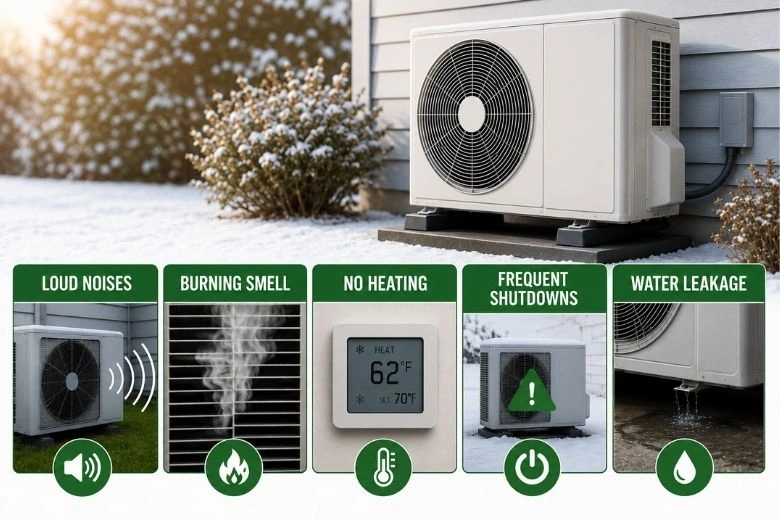
Some heat pump problems can be solved with simple troubleshooting, but certain issues should never be ignored. Serious warning signs often indicate deeper system problems that require expert attention.
Taking action early and booking a professional heat pump service can help prevent costly repairs and complete system failure.
- Loud Noises: Grinding, banging, or buzzing sounds may indicate internal component damage or loose parts inside the system.
- Burning Smell: A burning smell coming from the unit can be a sign of electrical issues or overheating components and should be checked immediately.
- No Heating: If your heat pump is running but not producing any warm air, it may indicate refrigerant, compressor, or electrical problems.
- Frequent Shutdowns: A system that constantly turns on and off may have thermostat issues, airflow restrictions, or internal faults affecting performance.
- Water Leakage: Water leaking around the indoor or outdoor unit can indicate blocked drainage, frozen coils, or other system problems.
Ignoring these warning signs can lead to bigger damage and higher repair costs over time. If you notice any of these issues, it is best to contact professionals for a proper heat pump service to inspect, diagnose, and repair the system safely.
Conclusion
A heat pump that is not heating properly can make your home uncomfortable and increase your energy costs if the issue is ignored. The good news is that many common problems can be identified early through simple checks and regular maintenance.
If your system continues to struggle or shows signs of serious issues, it is always best to contact professionals for expert assistance. Proper inspection and timely repairs can restore heating performance, improve efficiency, and help your heat pump last longer while keeping your home warm and comfortable.
If you need reliable support or expert inspection, contact us today to ensure your heat pump is working efficiently and ready to keep your home comfortable throughout the colder month