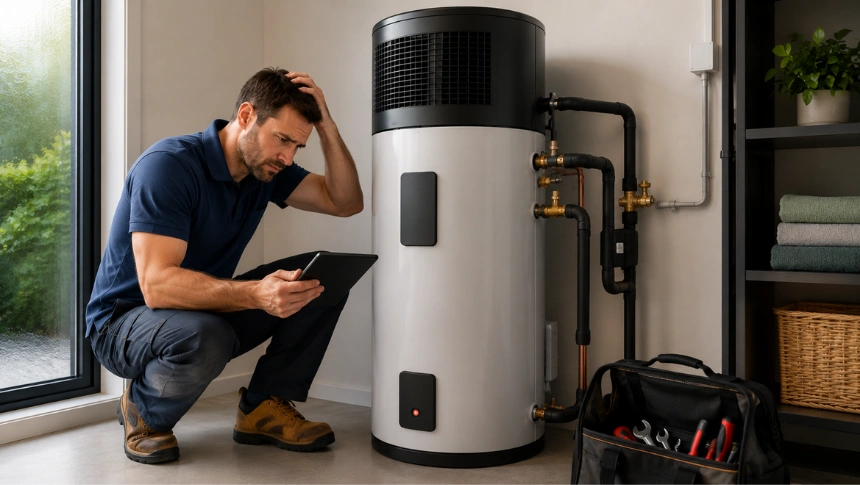

Have you noticed your energy bills getting higher every year?
Your hot water system could be one of the reasons. Hot water is used daily for showers, washing dishes, laundry, and other household tasks, making it one of the biggest contributors to energy consumption in many Auckland homes. When an older system becomes less efficient, it can increase running costs without homeowners even realising it.
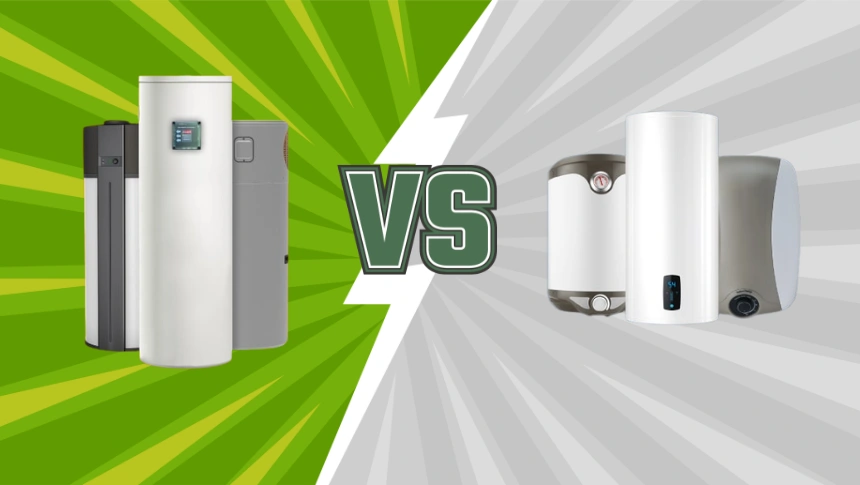
If you’re thinking about upgrading your water heating system, you have probably come across two popular options: hot water heat pumps and gas hot water systems. While both can provide reliable hot water, they differ in efficiency, operating costs, environmental impact, and long term value. Understanding these differences can help you choose the option that best suits your home, budget, and lifestyle. In this guide, we’ll compare hot water heat pump vs gas systems to help you make an informed decision.
What is a Hot Water Heat Pump?
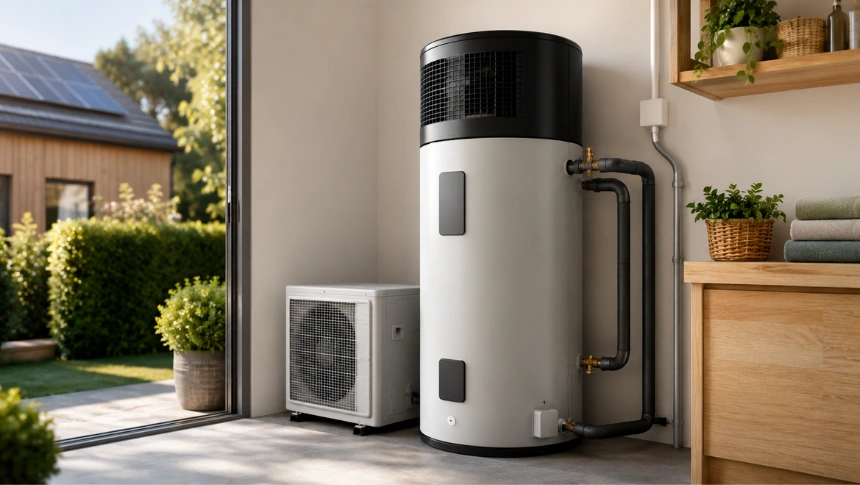
A hot water heat pump is an energy-efficient water heating system that uses heat from the surrounding air to warm water stored in a tank. Instead of generating heat directly like traditional electric or gas systems, it captures existing heat from the air and transfers it to the water. This process allows the system to use significantly less energy while still providing a reliable supply of hot water for everyday household needs.
As more New Zealand homeowners look for ways to reduce energy consumption and lower utility bills, hot water heat pumps have become an increasingly popular choice. They offer an efficient alternative to conventional water heating systems while helping households reduce their environmental impact and long term running costs.
Benefits of Hot Water Heat Pumps
- Lower Energy Usage: Uses heat from the air instead of generating it directly, helping reduce electricity consumption.
- Reduced Running Costs: Lower energy use can lead to noticeable savings on monthly power bills over time.
- Environmentally Friendly: Produces fewer carbon emissions, making it a more sustainable water heating option.
- Suitable for New Zealand Homes: Designed to perform efficiently in a variety of New Zealand weather conditions.
- Reliable Hot Water Supply: Provides consistent hot water for daily household activities when correctly sized.
What is a Gas Hot Water System?
A gas hot water system heats water using natural gas or LPG. When hot water is needed, a gas burner quickly heats the water, providing a steady supply for showers, washing dishes, laundry, and other daily household tasks.
Gas water heating has been a popular choice in many New Zealand homes for years because of its fast heating performance and ability to deliver hot water when needed. It is often preferred by households with higher hot water usage or existing gas connections.
Benefits of Gas Hot Water Systems
- Fast Water Heating: Gas systems heat water quickly, helping reduce waiting times during busy periods.
- Reliable Hot Water: Provides a consistent supply of hot water for everyday household use.
- Performs Well in Winter: Works effectively throughout the year and is not affected by colder outdoor temperatures.
- Suitable for Larger Families: Can meet higher hot water demands in homes with multiple occupants.
- Continuous Hot Water: Many gas systems can provide hot water on demand without relying on a large storage tank.
Hot Water Heat Pump vs Gas: Key Differences
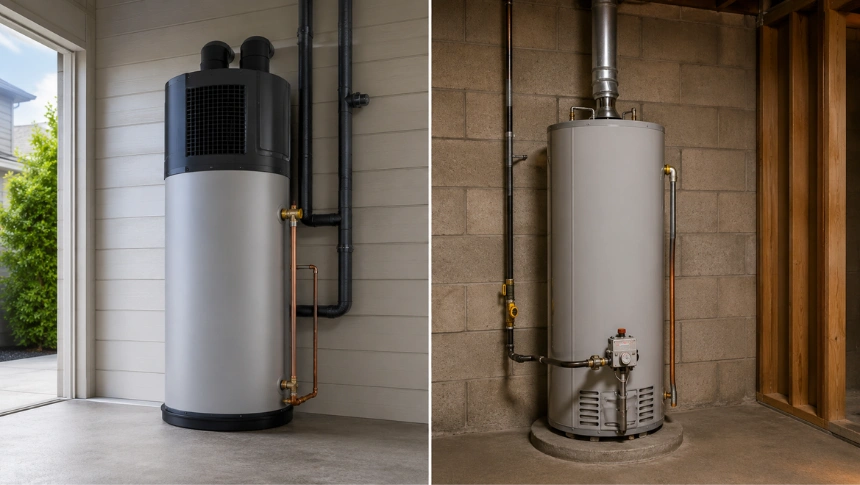
Choosing between these two systems becomes easier when you compare their main features side by side.
| Feature | Hot Water Heat Pump | Gas Hot Water System |
|---|---|---|
| Energy Source | Electricity + Ambient Air | Natural Gas / LPG |
| Energy Efficiency | High | Moderate |
| Running Costs | Lower | Higher |
| Installation Cost | Higher | Lower |
| Environmental Impact | Lower Emissions | Higher Emissions |
| Maintenance | Low | Moderate |
| Long Term Savings | Higher | Lower |
| Renewable Energy Compatible | Yes | No |
While both systems provide reliable hot water, their long term costs and efficiency levels differ significantly.
Energy Efficiency Comparison
Understanding how hot water heat pumps and gas systems use energy can make it easier to choose the option that best suits your household needs.
Hot Water Heat Pump
- Uses Ambient Heat: Captures heat from the surrounding air and transfers it to the water instead of creating heat directly.
- Highly Efficient: Produces more heating energy than the electricity it consumes, making it one of the most efficient water heating options available.
- Lower Energy Demand: Uses less electricity to provide the same amount of hot water, helping reduce overall energy usage.
Gas Hot Water System
- Burns Gas for Heat: Uses natural gas or LPG to generate the heat required for water heating.
- Moderate Efficiency: Some energy is lost during the heating process, making it less efficient than a heat pump.
- Higher Fuel Usage: The more hot water a household uses, the more gas is required to maintain supply.
By using heat from the air rather than generating it directly, they can provide the same level of comfort while using less energy and helping homeowners lower long term running costs.
Running Cost Comparison
Understanding how much each option costs to operate can help homeowners make a smarter long term investment.
The difference in monthly energy expenses can add up significantly over time, especially in households with high hot water usage.
Hot Water Heat Pump
- Lower Monthly Costs: Uses less electricity to heat water, helping reduce regular energy bills.
- Long Term Savings: Lower energy consumption can lead to substantial savings over the lifespan of the system.
- Better Energy Efficiency: Produces hot water using less power, making it more cost effective for daily use.
Gas Hot Water System
- Ongoing Fuel Costs: Requires a continuous supply of natural gas or LPG to operate.
- Variable Running Expenses: Monthly costs can increase depending on household usage and fuel prices.
- Higher Long Term Costs: Although installation may be cheaper, ongoing fuel expenses can add up over time.
Installation Cost Comparison
Choosing a water heating system involves considering not only the purchase price but also the installation costs. While one option may have a lower upfront investment, the other may offer greater value through long-term energy savings.
Hot Water Heat Pump
- Higher Upfront Investment: Heat pump systems generally cost more to purchase than gas hot water systems.
- Professional Installation Required: Installation includes setting up the outdoor unit and connecting the storage tank.
- Long-Term Value: Although the initial cost is higher, lower energy consumption can help offset the investment over time.
Gas Hot Water System
- Lower Initial Cost: Gas systems are usually less expensive to purchase and install.
- Additional Gas Connection Costs: Homes without an existing natural gas connection may need extra installation work or an LPG setup.
- Lower Upfront Investment: Suitable for homeowners looking for a more affordable initial installation.
Maintenance and Lifespan Comparison
Regular maintenance helps keep any water heating system operating safely and efficiently. Both systems require servicing, but their maintenance needs differ.
Hot Water Heat Pump
- Low Maintenance: Requires occasional inspections and basic servicing.
- Long Service Life: With proper maintenance, many systems can operate efficiently for 10–15 years or more.
- Fewer Mechanical Components: No gas burners or combustion systems reduce maintenance requirements.
Gas Hot Water System
- Regular Servicing Required: Burners, valves, and gas connections should be inspected periodically.
- Reliable Performance: Proper maintenance helps ensure safe and efficient operation.
- Comparable Lifespan: Well-maintained systems can also last 10–15 years.
Environmental Impact Comparison
Environmental impact has become an important factor for many homeowners when selecting a new water heating system.
Hot Water Heat Pump
- Lower Carbon Emissions: Uses heat from the surrounding air instead of generating heat directly.
- Energy Efficient: Consumes less electricity compared to conventional water heating systems.
- Supports Sustainable Living: An excellent option for households looking to reduce their environmental footprint.
Gas Hot Water System
- Produces Carbon Emissions: Burns natural gas or LPG during operation.
- Relies on Fossil Fuels: Uses non-renewable energy sources.
- Higher Environmental Impact: Generates more greenhouse gas emissions than a heat pump system.
Which Water Heating System Is Right for Your Home?
Both hot water heat pumps and gas hot water systems provide reliable hot water, but the best choice depends on your household’s priorities.
Choose a Hot Water Heat Pump If You:
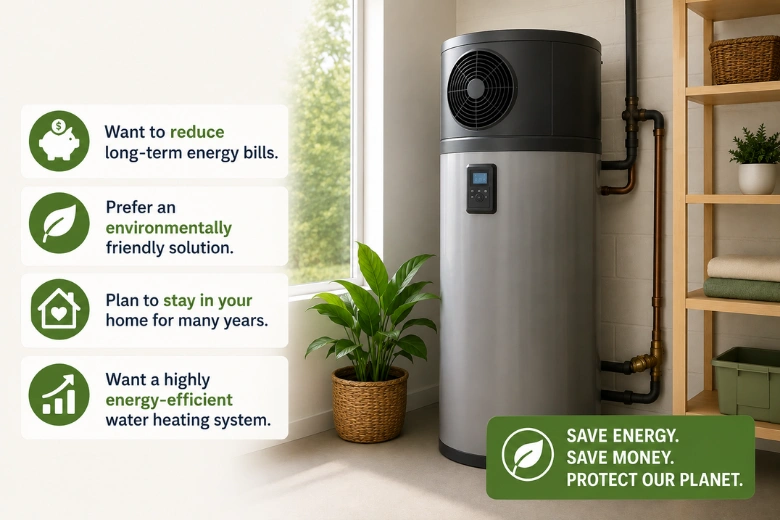
- Want to reduce long-term energy bills.
- Prefer an environmentally friendly solution.
- Plan to stay in your home for many years.
- Want a highly energy-efficient water heating system.
Choose a Gas Hot Water System If You:
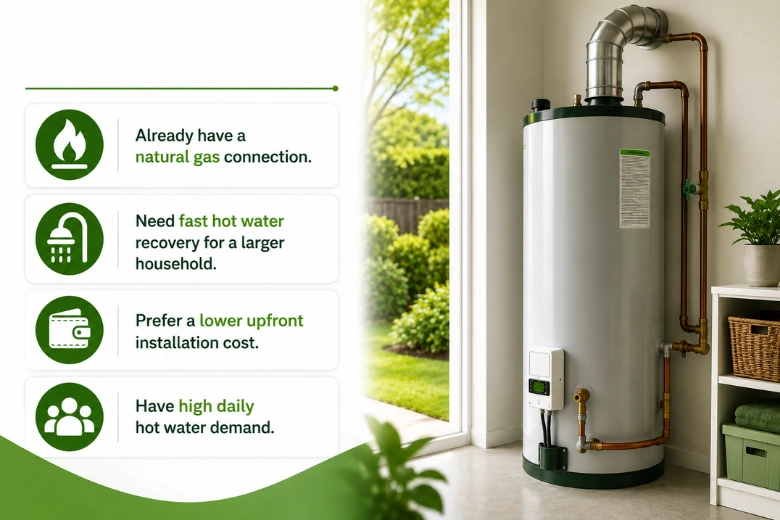
- Already have a natural gas connection.
- Need fast hot water recovery for a larger household.
- Prefer a lower upfront installation cost.
- Have high daily hot water demand.
Hot Water Heat Pump vs Gas: Pros and Cons
Both hot water heat pumps and gas hot water systems have their own advantages and limitations. Understanding the pros and cons of each option can help you choose the best water heating system for your home’s needs, budget, and energy goals.
Hot Water Heat Pump
Pros
- Highly Energy Efficient: Uses heat from the surrounding air, reducing electricity consumption.
- Lower Running Costs: Consumes less energy, helping lower monthly power bills over time.
- Environmentally Friendly: Produces fewer carbon emissions than traditional gas water heaters.
- Long-Term Savings: Although the upfront cost is higher, lower operating costs can provide better value over the system’s lifespan.
- Renewable Energy Compatible: Can be paired with solar power systems for even greater energy savings.
Cons
- Higher Installation Cost: Initial purchase and installation costs are generally higher than gas systems.
- Requires Outdoor Space: Needs a suitable location with good airflow for efficient operation.
- Slower Water Recovery: May take longer to reheat the storage tank after heavy hot water use.
- Performance Depends on Climate: Efficiency may reduce slightly during extremely cold weather, although modern units perform well in most New Zealand conditions.
Gas Hot Water System
Pros
- Lower Upfront Cost: Usually costs less to purchase and install than a hot water heat pump.
- Fast Water Heating: Heats water quickly, making it ideal for busy households.
- Continuous Hot Water: Instantaneous gas systems can provide hot water on demand.
- Reliable Performance: Delivers consistent hot water throughout the year, including during colder months.
- Suitable for High Demand: A good option for larger families with higher daily hot water usage.
Cons
- Higher Running Costs: Ongoing gas or LPG expenses can be higher than electricity costs for a heat pump.
- Greater Environmental Impact: Produces higher carbon emissions because it burns fossil fuels.
- Requires Gas Supply: Needs access to natural gas or LPG to operate.
- Regular Maintenance Needed: Gas burners and other components require periodic servicing to maintain safe and efficient performance.
- Not Renewable Energy Compatible: Cannot take advantage of renewable energy sources such as solar power.
Conclusion
Choosing between a hot water heat pump and a gas hot water system comes down to your budget, household size, and long-term energy goals. While gas systems offer fast heating and a lower upfront cost, hot water heat pumps provide greater energy efficiency, lower running costs, and a more environmentally friendly solution over time.
If you’re still unsure which system is right for your home, our experienced team is here to help. Contact us today for expert advice, professional installation, and a tailored recommendation to suit your household’s hot water needs. Book your consultation today and take the first step towards a more efficient and reliable hot water system.