
Many homeowners experience issues like stuffy air, condensation on windows, and lingering odors without understanding the cause. These problems may seem minor at first but can lead to discomfort and even health concerns over time.
Poor ventilation is often the hidden reason behind these issues. If your home is not getting enough fresh air, it can affect both your living environment and overall well being. This guide will help you identify the signs and understand how to fix them.
What Is Home Ventilation
Home ventilation refers to the process of circulating fresh air into your home while removing stale indoor air. It plays a key role in maintaining a healthy indoor environment.
Proper ventilation ensures that fresh air replaces polluted indoor air regularly. It helps balance temperature, control humidity, and improve overall air quality.
A well ventilated home feels fresh and comfortable. It also reduces the risk of moisture related problems and indoor air pollution.
Why Proper Ventilation Is Important
Many people underestimate the importance of good airflow inside their homes. However, ventilation directly impacts both comfort and health.
Without proper ventilation, pollutants such as dust, allergens, and moisture can build up indoors. This can lead to breathing issues, mold growth, and an uncomfortable living space.
Good ventilation supports a healthier lifestyle. It also protects your home from long term damage caused by moisture and poor air circulation.
Signs of Poor Home Ventilation
It is not always easy to identify ventilation issues immediately. However, there are several common signs that indicate your home may not have proper airflow.
Recognising these signs early can help prevent bigger problems. Addressing them on time improves both comfort and indoor air quality.
- Stuffy or Stale Air: Rooms may feel heavy and uncomfortable due to lack of fresh air circulation.
- Condensation on Windows: Moisture buildup on windows is a clear sign of poor ventilation and high humidity.
- Mold or Mildew Growth: Damp areas such as bathrooms or corners may develop mold due to trapped moisture.
- Lingering Odors: Cooking smells or other odors may stay longer than usual without proper airflow.
- High Humidity Levels: Excess moisture in the air can make rooms feel sticky and uncomfortable.
- Frequent Allergies or Breathing Issues: Poor air quality can trigger allergies, coughing, or respiratory discomfort.
Identifying these signs helps you take timely action. Improving ventilation can quickly enhance indoor comfort and air quality.
Causes of Poor Ventilation
Understanding the causes of poor ventilation is important for finding the right solution. Several factors can limit proper airflow in a home.
Modern homes are often tightly sealed to improve energy efficiency. While this reduces heat loss, it can also trap stale air inside. Blocked vents, poor airflow design, or lack of a proper ventilation system can also contribute to the problem.
Knowing the cause helps you fix the issue effectively. Proper airflow planning is key to maintaining a healthy home environment.
Effects of Poor Ventilation on Health and Home
Poor ventilation does not just affect comfort, it can also impact health and property condition. Ignoring ventilation problems can lead to long term consequences.
Breathing stale air can cause headaches, fatigue, and respiratory issues. Excess moisture can lead to mold growth, which may damage walls and furniture. Over time, poor ventilation can reduce the overall quality of your living space.
Taking action early helps prevent serious problems. Good ventilation supports both a healthy home and a healthy lifestyle.
How to Improve Home Ventilation
Improving home ventilation is essential for maintaining fresh air and a comfortable living environment. The good news is that you can enhance airflow with a few simple and effective steps.
Even small changes can make a noticeable difference in air quality and moisture control. Taking the right approach helps create a healthier and more comfortable home.
- Open Windows Regularly: Allow fresh air to enter your home by opening windows daily.This helps replace stale indoor air with clean outdoor air.
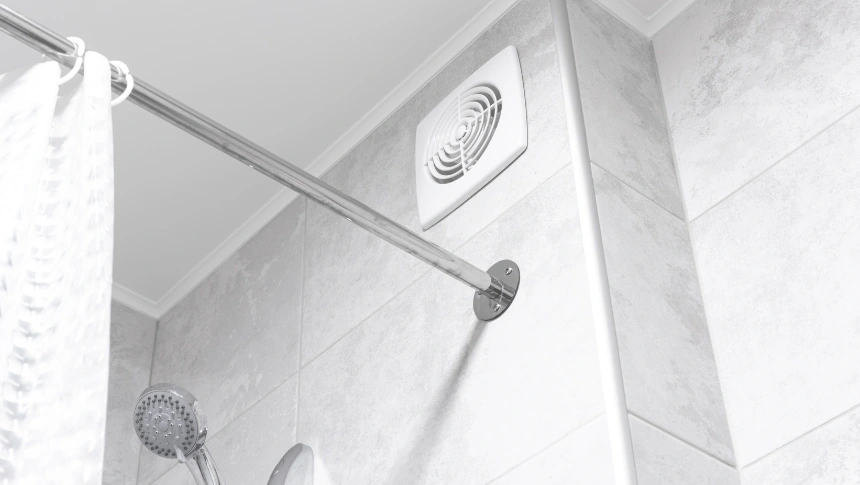
- Use Exhaust Fans: Install or use exhaust fans in kitchens and bathrooms. These help remove moisture, smoke, and odors effectively.
- Ensure Proper Airflow Between Rooms: Keep doors slightly open or use vents to allow air movement. This helps maintain balanced airflow throughout the house.
- Install a Ventilation System: Mechanical systems provide controlled and consistent airflow. They are effective for long term ventilation solutions.
- Choose Professional Ventilation Solutions
Expert ventilation solutions ensure proper system design and installation.
This improves airflow efficiency and overall indoor air quality.
Making these improvements can significantly enhance indoor comfort and air freshness. Consistent ventilation helps maintain a healthier living space and prevents moisture related issues.
Types of Ventilation Systems for Homes
There are different types of ventilation systems available to suit various home layouts and needs. Choosing the right system can improve both comfort and indoor air quality.
Each type works in a different way to manage airflow and moisture levels. Understanding these options helps you select the most suitable solution for your home.
- Natural Ventilation: This system relies on windows, doors, and vents to allow fresh air to flow naturally. It is simple and cost effective but depends on weather conditions.
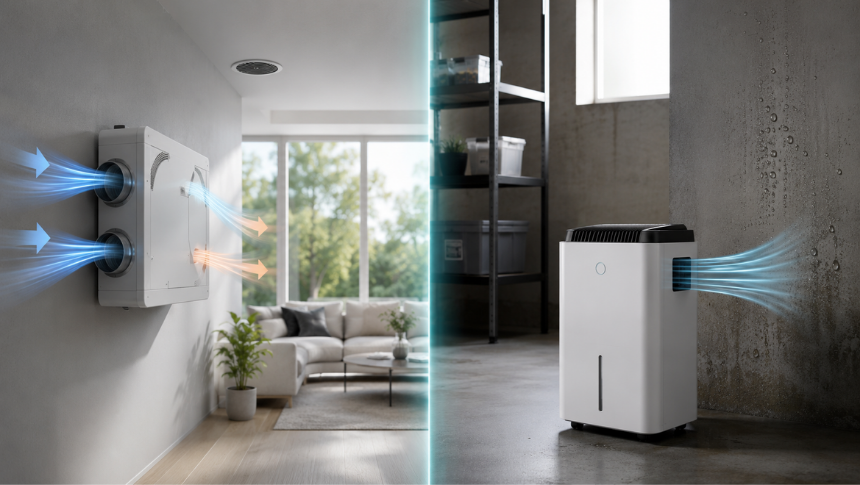
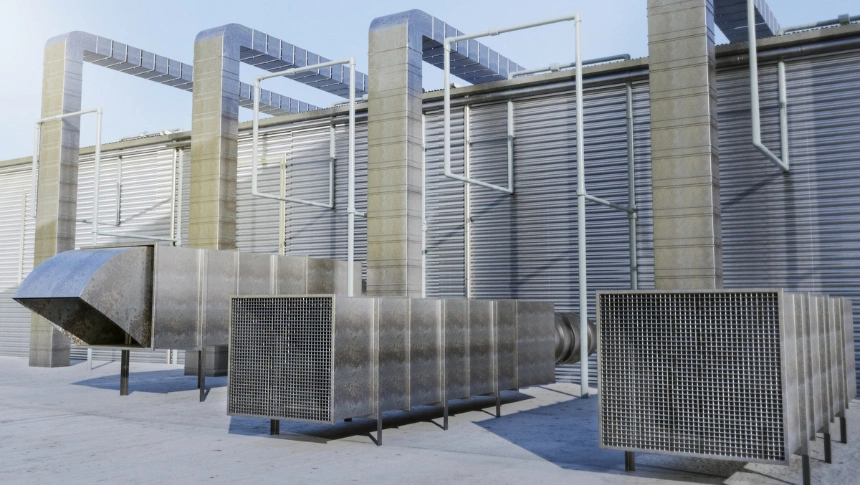
- Mechanical Ventilation: Mechanical systems use fans and ducts to control airflow inside the home. They provide consistent ventilation regardless of outdoor conditions.
- Exhaust Ventilation Systems: These systems remove stale air from specific areas like kitchens and bathrooms. They help reduce moisture, odors, and indoor pollutants.
- Supply Ventilation Systems: Fresh air is brought into the home through fans while indoor air escapes naturally. This helps maintain better air pressure and circulation.
- HRV Systems: Heat Recovery Ventilation systems transfer heat from outgoing air to incoming air. They are ideal for colder climates and help reduce heat loss.
- ERV Systems: Energy Recovery Ventilation systems transfer both heat and moisture. They are suitable for humid climates and help balance indoor humidity.
Choosing the right ventilation system depends on your home’s design and climate conditions. A proper ventilation setup improves air quality, comfort, and long term efficiency.
When to Consider Professional Ventilation
Sometimes basic solutions may not be enough to fix ventilation problems. In such cases, professional help becomes necessary.
If you notice persistent condensation, mold growth, or poor air quality, it may be time to consult experts. Professionals can assess your home and recommend suitable solutions based on your needs.
Expert guidance ensures the problem is solved correctly. It also helps avoid trial and error solutions.
Conclusion
Poor home ventilation can lead to discomfort, health issues, and long term damage if left unaddressed. Identifying the signs early and understanding the causes can help you take the right steps toward improving airflow.
If you are facing ongoing ventilation issues in your home, professional solutions can make a significant difference. Contact us today for expert advice and reliable solutions to improve your home’s ventilation and indoor air quality.