
If you often experience headaches, allergies, or breathing discomfort at home, the problem may not be what you think. Many people assume it’s due to weather or dust, but in reality, poor indoor air quality is often the hidden cause. You might also notice a constant bad smell, stuffy rooms, or air that just doesn’t feel fresh no matter how much you clean.
The biggest issue is that these signs are easy to ignore in the beginning. Over time, they can affect your comfort, sleep, and overall health without you realising the root problem. Indoor air quality plays a major role in how your home feels and functions, and identifying these early symptoms can help you take the right steps before the situation gets worse.
What is Indoor Air Quality
Indoor air quality refers to the condition of the air inside your home and how clean, fresh, and safe it is to breathe. It is affected by things like dust, moisture, pollutants, and how well air circulates through your space. When airflow is poor, stale air builds up, making rooms feel heavy, stuffy, and uncomfortable over time.
In New Zealand homes, this becomes even more important due to higher humidity, cooler weather, and tightly sealed houses. These conditions can trap moisture and pollutants indoors, leading to issues like dampness, mould, and unhealthy air. Good indoor air quality helps create a healthier living environment, improves comfort, and reduces the risk of long term health problems.
10 Signs of Poor Indoor Air Quality
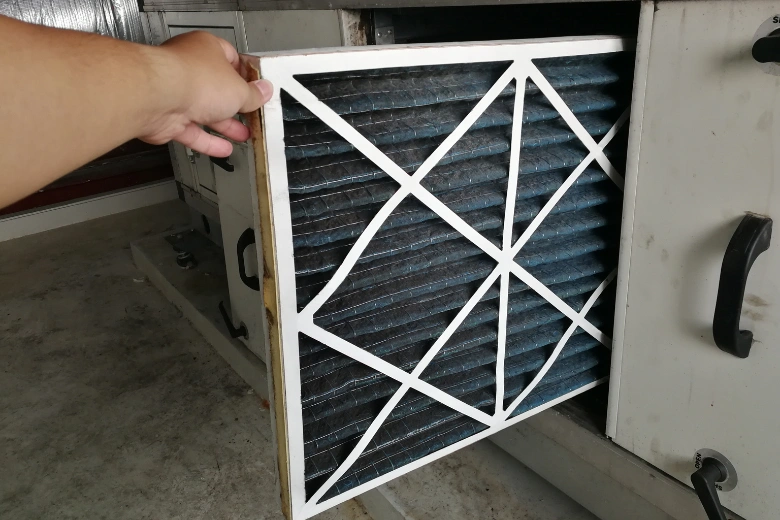
Poor indoor air quality often shows up through small but noticeable changes in your health and home environment. Many of these signs are easy to ignore at first, but they usually indicate that the air inside your home is not as clean or fresh as it should be.
1. Constant Headaches
If you frequently get headaches at home but feel better when you step outside, poor air quality could be the reason. Stale air and pollutants can affect oxygen levels, leading to discomfort. This is often a sign that your home lacks proper airflow.
2. Allergies Getting Worse Indoors
If sneezing, itching, or watery eyes increase when you are inside, it may be due to dust, mould, or airborne particles. Poor ventilation allows these allergens to stay trapped in your home. Over time, this can make allergy symptoms more severe.
3. Breathing Issues
Shortness of breath or discomfort while breathing indoors can be linked to poor air circulation. When fresh air is not entering your home, pollutants build up and affect respiratory health. This is especially concerning for children and elderly people.
4. Dust Buildup
If you notice dust settling quickly on surfaces even after cleaning, it may be due to poor air movement. Without proper ventilation, dust particles remain suspended in the air. This leads to constant buildup and affects overall cleanliness.
5. Damp or Musty Smell
A lingering damp smell is a strong sign of trapped moisture and poor airflow. Even if your home looks clean, the smell indicates that humidity levels are high. This can eventually lead to mould and other hidden problems.
6. Mould Growth
Black or green spots on walls, ceilings, or corners are clear signs of excess moisture. Mould grows in humid conditions where ventilation is not effective. It not only damages surfaces but also affects your health.
7. Condensation on Windows
Water droplets on windows or glass surfaces show that humidity inside your home is too high. This usually happens when moist air has nowhere to escape. Over time, condensation can lead to dampness and structural damage.
8. Poor Sleep Quality
If you feel uncomfortable or restless while sleeping, poor air quality could be a factor. Stuffy air and lack of oxygen circulation can disturb sleep. Fresh and well ventilated air helps improve sleep quality.
9. Constant Fatigue
Feeling tired even after rest can sometimes be linked to the air you breathe. Poor indoor air can reduce oxygen flow and make you feel low on energy. This often goes unnoticed but affects daily productivity.
10. Stuffy or Heavy Air
If your home feels closed, heavy, or difficult to breathe in, it is a clear sign of poor ventilation. Fresh air is not circulating properly, making the space uncomfortable. This is one of the most common indicators of poor indoor air quality.
Recognising these signs early helps you take action before the problem worsens. Improving airflow and ventilation can make your home feel fresher, healthier, and more comfortable to live in.
What Causes Poor Air Quality in Homes
Poor indoor air quality usually does not come from a single issue. It is often the result of multiple factors working together, slowly affecting the air you breathe every day. Understanding these causes helps you identify what might be going wrong in your home.
Poor Ventilation
When fresh air cannot enter and stale air cannot escape, pollutants start building up inside your home. Rooms feel stuffy, and moisture remains trapped for longer periods. Without proper airflow, even clean homes can have unhealthy air.
Excess Moisture
Moisture from showers, cooking, and daily activities increases humidity levels indoors. If it is not removed properly, it creates the perfect environment for mould and bacteria. Over time, this leads to dampness and a musty smell.
Closed and Sealed Spaces
Modern homes are often tightly sealed to improve energy efficiency, but this also limits natural airflow. When windows and doors stay closed most of the time, fresh air circulation reduces. This traps indoor pollutants and affects air quality.
Indoor Pollutants
Dust, smoke, cleaning products, and other airborne particles can reduce air quality significantly. These pollutants stay suspended in the air when ventilation is poor. Continuous exposure can lead to allergies and breathing issues.
Identifying these causes is the first step toward improving your indoor environment. With the right ventilation and airflow, you can reduce these factors and maintain cleaner, healthier air inside your home.
Types of Bathroom Ventilation Systems
Not all bathrooms need the same type of ventilation. The right system depends on your bathroom size, layout, and how much moisture is being generated daily. Choosing the correct option makes a big difference in how effectively steam and humidity are removed.
Some systems are simple and budget friendly, while others are more advanced and designed for better performance. Understanding the different types helps you make the right decision for your home.
Extractor Fans
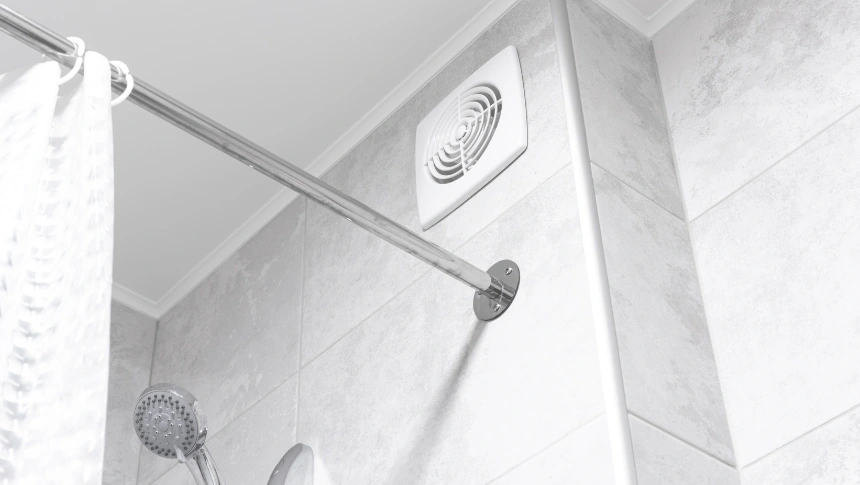
- Extractor fans are the most common and widely used solution in NZ homes. They are installed on the ceiling or wall and directly remove moist air from the bathroom.
- They are ideal for small to medium bathrooms and work well when properly sized and installed. A good quality extractor fan can quickly clear steam and keep humidity levels under control.
Inline Fans
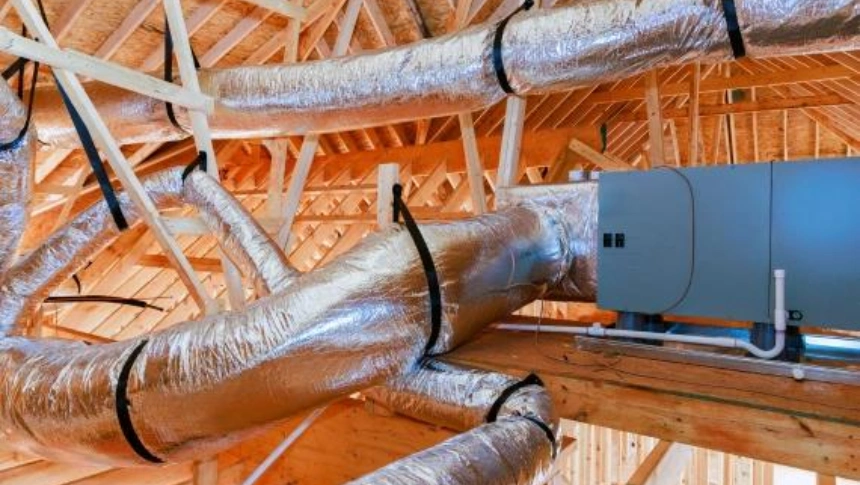
- Inline fans are installed within the ducting rather than directly in the ceiling. They are more powerful and quieter compared to standard extractor fans.
- These are suitable for larger bathrooms or homes where noise reduction is important. They provide stronger airflow and are more effective in removing moisture over longer distances.
Ceiling Ventilation Systems
- Ceiling ventilation systems work by circulating air through the roof space and redistributing it inside the home. They are often used to improve overall air quality, not just in bathrooms.
- While they can help reduce moisture, they are usually more effective when combined with dedicated extraction systems. On their own, they may not always remove steam quickly enough from bathrooms.
Choosing the right ventilation system ensures your bathroom stays dry, fresh, and free from moisture related issues. The key is to select a solution that matches your space and provides consistent airflow.
How Ventilation Solves These Problems
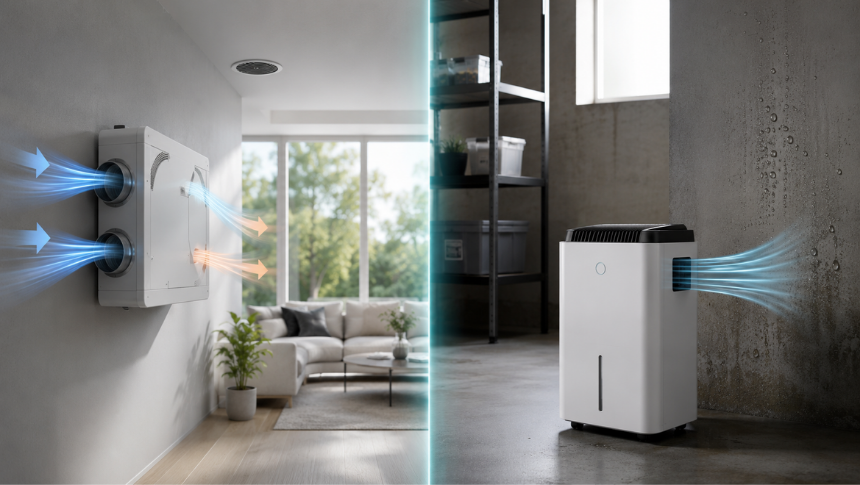
If your home feels stuffy, smells damp, or causes discomfort, the root issue is often poor air movement. Ventilation works by creating a continuous flow of air, removing what should not stay inside and bringing in what your home actually needs.
Instead of letting polluted and humid air build up, a proper system keeps the air balanced and fresh throughout the day.
What Proper Ventilation Does
- Removes Stale and Polluted Air: Ventilation pushes out trapped air that contains dust, allergens, and unpleasant odours. This helps your home feel lighter and more comfortable to live in.
- Brings in Fresh and Clean Air: Fresh air from outside replaces the stale indoor air, improving oxygen levels and overall air quality. This makes a noticeable difference in how your space feels.
- Controls Moisture and Humidity Levels: By removing excess moisture, ventilation prevents condensation, dampness, and mould growth. It keeps your home dry and protects surfaces from long term damage.
Why the Right System Matters
Basic ventilation may not be enough if your home continues to face air quality issues. In such cases, a properly planned Ventilation System installation ensures consistent airflow, better moisture control, and a healthier indoor environment.
With the right setup, you can solve air quality problems at the source and maintain a fresh, comfortable home every day.
Why NZ Homes Are More Affected
Many homeowners in New Zealand experience air quality issues more frequently than expected. This is not just due to daily activities, but also because of how homes are built and the environment they are exposed to.
Understanding these factors helps explain why problems like dampness, mould, and poor air quality are more common in NZ homes.
Weather Conditions
New Zealand has a humid and often unpredictable climate, especially in regions like Auckland. Frequent rain and cooler temperatures increase indoor moisture levels. When this moisture is not properly removed, it stays trapped inside and affects air quality.
Insulation and Modern Construction
Modern homes are built with better insulation to retain heat and improve energy efficiency. While this is beneficial for warmth, it also reduces natural airflow. As a result, stale air and moisture remain inside for longer periods.
Closed Living Spaces
Many homes keep windows and doors closed for most of the day, especially during colder months. This limits fresh air from entering and prevents proper air circulation. Over time, this creates a buildup of pollutants and humidity indoors.
These factors combined make ventilation even more important in NZ homes. With the right airflow and system in place, you can reduce these effects and maintain a healthier indoor environment.
When You Should Take Action
Many people ignore early signs of poor air quality, thinking they are temporary. But when these issues continue or get worse, it’s a clear signal that your home needs proper attention.
Taking action at the right time can prevent serious damage to your home and protect your health.
- If headaches, allergies, or breathing discomfort increase when you are at home, it may be due to poor air quality. When these symptoms improve outside but return indoors, it’s a strong warning sign.
- Black spots on walls, ceilings, or corners show that moisture is not being controlled. Mold spreads quickly and becomes harder to manage if ignored.
- Frequent coughing, sneezing, or irritation can be linked to the air you breathe daily. Poor indoor air quality can affect children, elderly people, and anyone with respiratory conditions more severely.
Recognising these signs early allows you to take the right steps before the problem becomes serious. Acting at the right time helps maintain a safe, healthy, and comfortable living environment.
Conclusion
Poor indoor air quality is something many homeowners overlook until it starts affecting their comfort and health. Signs like headaches, allergies, damp smells, and mould are clear indicators that your home needs better airflow. Ignoring these issues can lead to long term damage and ongoing health concerns, making it important to act early.
Improving ventilation is one of the most effective ways to create a healthier living environment. It helps remove stale air, control moisture, and bring in fresh air for better comfort. If you are facing these issues in your home, it is time to take the next step. Contact Us for consultation and get expert guidance to improve your indoor air quality and create a fresher, healthier space.