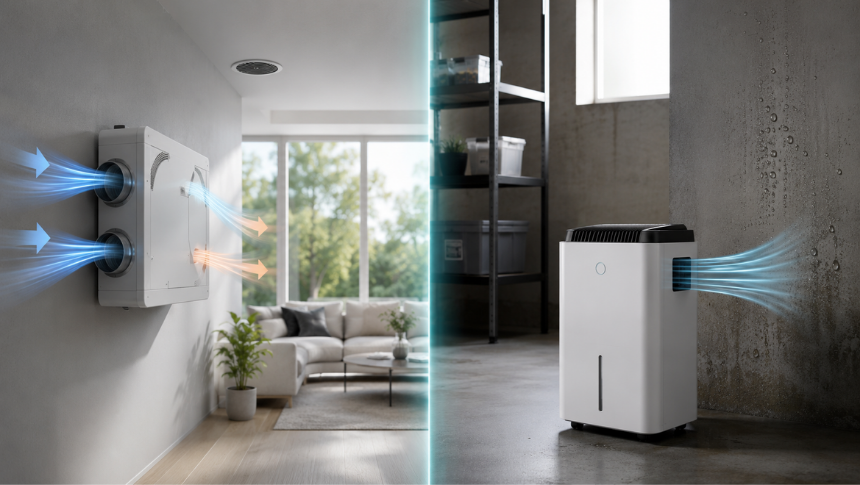

Many homeowners struggle with poor indoor air quality, excess humidity, and condensation on windows. These issues not only make living spaces uncomfortable but can also affect health and damage your home over time.
Choosing the right ventilation system can solve these problems, but many people get confused between HRV and ERV systems. This guide explains both options clearly so you can decide which system is best for your home, especially if you are planning a ventilation system installation in auckland.
What Is a Ventilation System
A ventilation system is designed to bring fresh air into your home while removing stale indoor air. This process helps maintain a healthy and comfortable indoor environment.
It works by exchanging indoor air with outdoor air while controlling temperature and airflow. Proper ventilation improves air quality and reduces moisture buildup inside the home.
Good ventilation keeps indoor spaces fresh and comfortable. It also helps prevent mold, dampness, and unpleasant odors.
What Is an HRV System
An HRV system stands for Heat Recovery Ventilation. It is designed to improve indoor air quality by replacing stale air with fresh outdoor air.
The system works by extracting warm air from inside the home and using it to warm incoming fresh air. This process helps maintain indoor temperature while improving ventilation.
HRV systems are commonly used in colder climates. They help reduce heat loss while ensuring a steady supply of fresh air.
What Is an ERV System
An ERV system stands for Energy Recovery Ventilation. It performs a similar function to HRV systems but with an added benefit.
In addition to transferring heat, ERV systems also manage moisture levels. They help balance humidity by transferring both heat and moisture between incoming and outgoing air.
ERV systems are ideal for areas with higher humidity. They help maintain comfortable indoor air conditions throughout the year.
HRV vs ERV Ventilation Systems
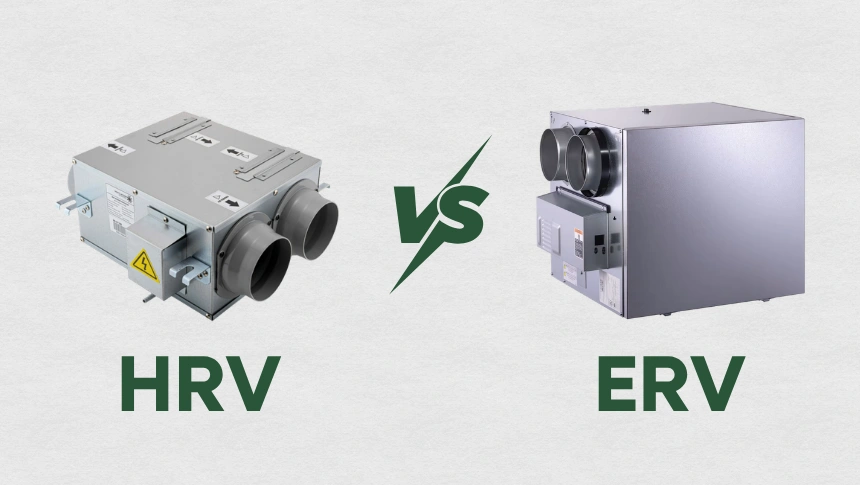
Understanding the difference between HRV and ERV systems helps homeowners choose the right solution. Both systems improve air quality, but they work differently depending on conditions.
| Feature | HRV System | ERV System |
|---|---|---|
| Heat Transfer | Yes | Yes |
| Moisture Control | No | No |
| Best For | Cold Climates | Humid climates |
| Humidity Balance | Limited | Effective |
| Energy Efficiency | High | High |
Both systems offer efficient ventilation, but the choice depends on your home’s environment. Selecting the right system ensures better comfort and performance.
How to Choose Between HRV and ERV
Choosing between HRV and ERV systems can feel confusing if you are not sure what factors to consider. The right choice depends on your home’s environment, climate, and ventilation needs.
Understanding these key factors will help you select a system that improves comfort and efficiency. A well chosen system ensures better air quality and long term performance.
Key Factors to Consider
- Climate Conditions: HRV systems are more suitable for colder climates where retaining heat is important. ERV systems work better in humid climates where controlling moisture is necessary.
- Humidity Levels in Your Home: If your home has high humidity, an ERV system helps balance moisture effectively. For homes with low humidity, an HRV system is usually sufficient.
- Home Size and Layout: Larger homes may benefit from systems that manage airflow efficiently across multiple rooms. Proper system selection ensures even ventilation throughout the house.
- Insulation and Airtightness: Well insulated homes require controlled ventilation to maintain fresh air.
Choosing the right system helps prevent condensation and stale air buildup. - Comfort Preferences: Some homeowners prefer better humidity control along with ventilation. ERV systems offer added comfort by maintaining balanced moisture levels.
Selecting the right system improves both comfort and energy efficiency in your home. A proper choice ensures your ventilation system performs effectively throughout the year.
Benefits of HRV and ERV Systems
HRV and ERV systems both improve indoor air quality, but they offer different advantages depending on your home’s environment. Understanding their unique benefits helps you choose the right system for your needs.
Each system is designed for specific conditions, so their benefits vary based on climate and humidity levels. Knowing these differences allows homeowners to make a more informed decision.
Benefits of HRV Systems
- Effective Heat Recovery in Cold Climates: HRV systems transfer heat from outgoing air to incoming fresh air.This helps maintain indoor warmth during colder seasons.
- Reduces Heat Loss: Fresh air enters the home without significantly lowering indoor temperature.This improves energy efficiency during winter.
- Removes Stale Indoor Air: HRV systems continuously replace indoor air with fresh outdoor air. This improves air quality and reduces indoor pollutants.
- Prevents Condensation Build Up: By removing excess indoor air, HRV systems help reduce moisture on windows. This protects against mold and dampness.
Benefits of ERV Systems
- Controls Indoor Humidity Levels: ERV systems transfer both heat and moisture between air streams. This helps maintain balanced humidity inside the home.
- Prevents Excess Moisture in Humid Climates: ERV systems reduce the amount of moisture entering the home.This keeps indoor spaces more comfortable.
- Improves Energy Efficiency Year Round: By managing both heat and moisture, ERV systems reduce the load on HVAC systems.This helps lower overall energy consumption.
- Enhances Indoor Comfort: Balanced humidity levels make indoor air feel more comfortable. This reduces dryness in winter and stickiness in summer.
Choosing between HRV and ERV depends on your climate and indoor conditions. Selecting the right system ensures better comfort, improved air quality, and efficient energy use in your home.
HRV vs ERV: Which Is Better for Your Home
Choosing between HRV and ERV systems can be confusing if you are not sure which one suits your home. The right option depends on your climate, indoor conditions, and comfort needs.
Both systems are effective, but they are designed for different environments. Understanding when to choose each system helps you make a more practical and efficient decision.throughout your home.
When HRV Is the Better Choice
- Cold Climate Areas: HRV systems work best in colder regions where retaining indoor heat is important.They help bring in fresh air without losing too much warmth.
- Low Humidity Homes: If your home does not have excess moisture issues, HRV systems are suitable. They focus on air exchange without managing humidity levels.
- Condensation Control in Winter: HRV systems help reduce condensation on windows and walls. This is useful in homes where indoor air becomes stale during colder months.
When ERV Is the Better Choice
- Humid Climate Conditions: ERV systems are ideal for areas with high humidity levels. They help balance moisture while ventilating the home.
- Homes with Moisture Issues: If your home experiences dampness or high indoor humidity, ERV is more effective. It prevents excess moisture from building up inside.
- Year Round Comfort Needs: ERV systems maintain both temperature and humidity balance. This creates a more comfortable indoor environment in all seasons.
Choosing the right system improves both comfort and energy efficiency in your home. A well suited ventilation system ensures better air quality and a healthier living environment over time.
Conclusion
HRV and ERV ventilation systems both provide effective solutions for improving indoor air quality. While HRV systems focus on heat exchange, ERV systems also manage humidity, making them suitable for different environments.
If you are planning to improve your home’s ventilation, choosing the right system is essential for long term comfort and efficiency. Contact us today for expert advice and professional support to select and install the best ventilation system for your home.