
Choosing the right heating and cooling system for your whole home can be difficult, especially when you’re comparing options that seem to offer similar benefits. Many homeowners consider ducted and multi-split heat pumps because both systems can heat and cool several rooms, but the way they operate and control temperature is quite different.
If you’re considering ducted heat pumps for your home, comparing them with a multi-split system can help you understand which option suits your space and heating needs. Your home’s layout, budget, room usage, comfort preferences, and the level of control you want can all influence the better choice. In this guide, we’ll compare ducted and multi-split heat pumps across installation, running costs, temperature control, appearance, maintenance, and suitability for different types of homes.
What Is a Ducted Heat Pump?
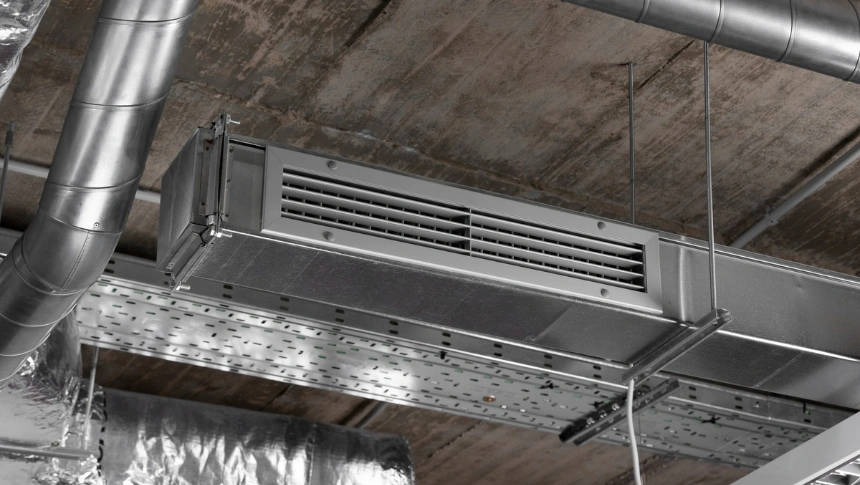
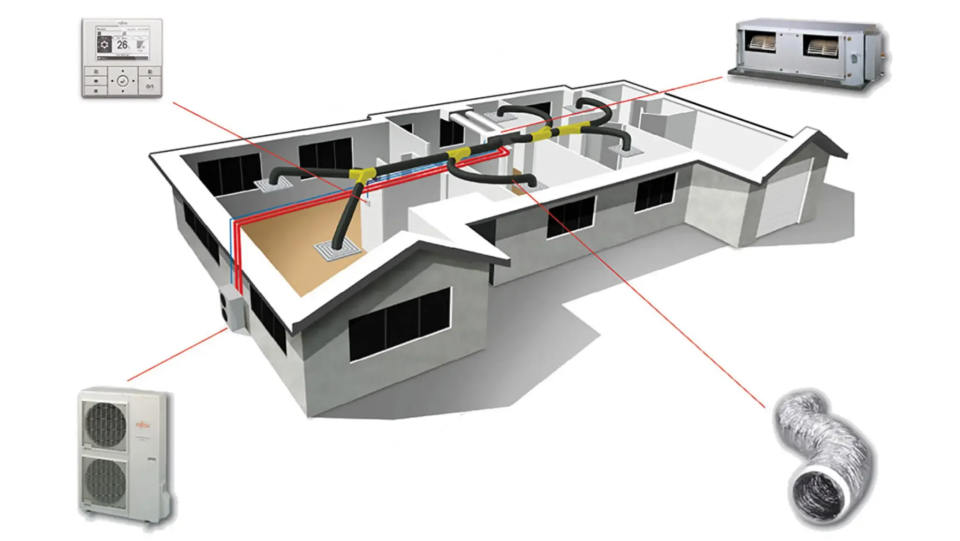
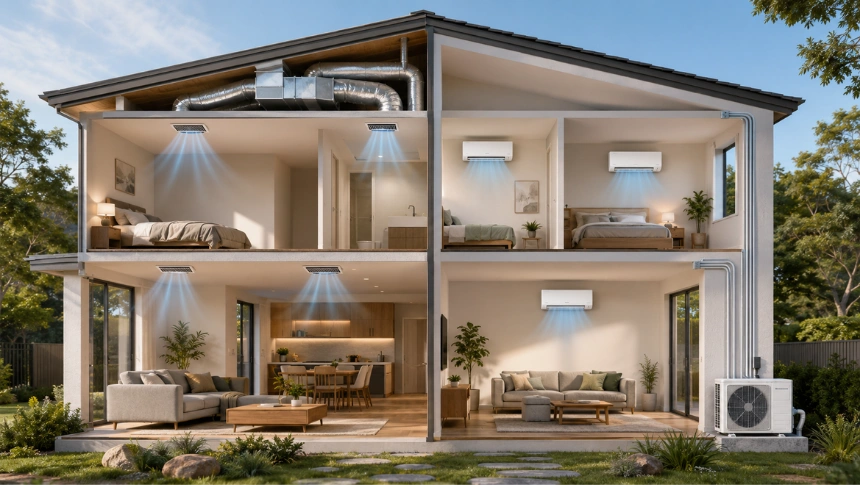
A ducted heat pump uses a central indoor unit to heat or cool air and then distributes it through a network of ducts around the home. Instead of having a separate indoor unit in each room, the system delivers conditioned air through vents positioned in different areas.
The system is usually operated through a central thermostat or controller, allowing homeowners to set the desired temperature from one place. This makes ducted heat pumps particularly useful for homes where consistent heating and cooling across several rooms is important.
Key Features
- Whole-Home Heating: One system can provide heating and cooling across multiple rooms, making it a practical option for larger homes.
- Even Air Distribution: Conditioned air flows through multiple vents, helping maintain a more consistent temperature throughout the home.
- Clean Appearance: Most of the ductwork and main equipment is hidden, leaving only the vents visible inside the rooms.
- Central Control: A central controller makes it easy to adjust the home’s temperature without managing separate indoor units.
Who Is a Ducted System Best For?
A ducted heat pump can be a good choice for homeowners who want whole-home comfort, a cleaner interior appearance, and central temperature control. It is particularly worth considering when heating and cooling several rooms is more important than controlling each room separately.
What Is a Multi-Split Heat Pump?
A multi-split heat pump allows one outdoor unit to connect to several indoor units placed in different rooms or areas of the home. This gives homeowners more flexibility when deciding where heating or cooling is needed.
Unlike a ducted system, each indoor unit can be controlled separately. This makes a multi-split system useful for homes where different rooms are used at different times or where each area has different temperature preferences.
Key Features
- Room-by-Room Control: Each indoor unit can be adjusted separately, allowing you to set a comfortable temperature for individual rooms.
- Flexible Installation: Indoor units can be positioned in the rooms or areas where heating and cooling are needed most.
- Targeted Heating: You can heat or cool the rooms you’re actually using instead of conditioning the entire home at the same time
- No Ductwork: Multi-split systems don’t require a network of air ducts, which can make them suitable for homes where installing ductwork isn’t practical.
Who Is a Multi-Split System Best For?
A multi-split heat pump can be a practical choice for homes where different rooms have different heating and cooling needs. It gives homeowners greater room-by-room control and can avoid the need to heat or cool unused areas, making it a flexible option for many existing homes.
Ducted Heat Pump vs Multi-Split: How Do They Differ?
Both ducted and multi-split heat pumps can provide heating and cooling across multiple areas of a home, but they suit different needs. The biggest differences come down to how air is distributed, how much control you have over individual rooms, installation requirements, and the way the system looks inside your home.
| Feature | Ducted Heat Pump | Multi-Split Heat Pump |
|---|---|---|
| Heating Coverage | Designed to heat and cool the whole home | Focuses on selected rooms or areas |
| Room Control | Usually managed through a central controller, with zoning available on suitable systems | Each indoor unit can be controlled separately |
| Ductwork | Requires ducts throughout the home | No ductwork is needed |
| Appearance | Most equipment is hidden, with only vents visible | Indoor units remain visible in each room |
| Installation | Can involve more planning, especially in an existing home | More flexible for adding units to specific rooms |
| Zoning | Available with suitable systems | Naturally suited to room-by-room control |
| Best For | Homeowners wanting consistent whole-home comfort | Homes where different rooms have different heating needs |
Neither system is automatically better for every home. A ducted system is generally suited to homeowners looking for whole-home comfort and a clean appearance, while a multi-split system can be a better option when room-by-room control and flexible installation are more important. Your home’s layout, insulation, budget, and daily heating habits should all be considered before making a decision.
Ducted Heat Pump vs Multi-Split: Installation
Installation is one of the biggest differences between these two systems, especially if you’re upgrading an existing home. The amount of work involved depends on your home’s layout, available space, and whether the system can be planned during construction or renovation.
A ducted system needs a network of ducts to carry heated or cooled air to different rooms. This means there needs to be enough space above ceilings, under floors, or within other suitable areas for the ductwork and central indoor unit. Because of this, installation generally requires more planning and may be easier during a new build or major renovation.
A multi-split system doesn’t need ductwork, so there are fewer structural requirements. Individual indoor units can be installed in the rooms where heating or cooling is needed, making this option particularly practical for many existing homes. You can also start with the rooms you use most and plan the system around your household’s needs.
What Should You Consider?
- Existing Home: A multi-split system may involve less structural work.
- New Build: A ducted system can be planned into the home’s design from the beginning.
- Available Space: Ducted systems need suitable areas for ducts and central equipment.
- Number of Rooms: Consider whether you need whole-home coverage or selected areas.
- Future Changes: Think about whether you may want to add or change heating zones later.
Your home’s construction, available installation space, number of rooms, and renovation plans can all affect which option is more practical and cost-effective for your property.
Which System Gives Better Room-by-Room Control?
Bedroom may need less heating than a living area, while unused rooms may not need heating or cooling at all. The level of control you want can therefore play an important role in your choice.
Ducted Heat Pump
A ducted system is designed around whole-home comfort, but suitable systems can also provide zoning.
- Whole-Home Comfort: Heats or cools multiple rooms through one central system.
- Zoning Options: Selected areas can be controlled separately when the system supports zoning.
- Consistent Temperatures: Helps maintain a more even indoor environment throughout the home.
Multi-Split Heat Pump
Multi-split systems are naturally suited to households that want more control over individual rooms.
- Individual Control: Each indoor unit can be adjusted separately.
- Targeted Comfort: Heat or cool rooms based on when and how they are being used.
- Less Wasted Energy: Unused rooms can be left off instead of conditioning the entire home.
If room-by-room control is your main priority, a multi-split system generally offers more flexibility. If you want consistent whole-home comfort, a well-designed ducted system with zoning can be a better fit.
Which Is More Energy Efficient?
Both ducted and multi-split heat pumps can provide efficient heating and cooling when correctly sized and used. The difference often comes down to how much of your home you need to heat or cool and how you manage the system day to day.
Ducted Heat Pump
A ducted system can work efficiently when heating or cooling several rooms at once.
- Whole-Home Efficiency: One system can condition multiple areas efficiently.
- Zoning: Suitable zoning can reduce energy use by limiting heating or cooling to selected areas.
- Duct Design: Well-designed and properly maintained ductwork helps support efficient airflow.
Multi-Split Heat Pump
A multi-split system can be efficient when you only need to heat or cool certain rooms.
- Targeted Heating: Focuses energy on rooms that are being used.
- Individual Controls: Each indoor unit can be adjusted or switched off separately.
- System Settings: Efficiency depends on correct sizing, temperature settings, and everyday usage.
Your home’s layout and heating habits are important factors in deciding which will use less energy.
Which System Costs More?
It’s not just the equipment price that matters. Installation requirements, the number of rooms being heated, and the design of your home can all affect the final cost.
Ducted Heat Pump
The overall cost can be influenced by:
- System Size: Larger homes may require a higher-capacity system.
- Number of Rooms: More rooms can require more extensive ductwork.
- Ductwork Requirements: The layout and amount of ducting can affect installation work.
- Installation Complexity: Access to ceilings, floors, and other areas can influence labour requirements.
- Zoning: Adding different temperature zones can increase system complexity.
Multi-Split Heat Pump
The cost can depend on:
- Number of Indoor Units: More rooms generally mean more indoor units.
- Outdoor Unit Capacity: The outdoor unit needs to support the connected indoor units.
- Installation Locations: Difficult-to-access rooms or locations may require additional work.
- Pipework Requirements: Each indoor unit needs appropriate refrigerant pipework and connections.
- Number of Rooms: Conditioning more rooms can increase the overall system and installation requirements.
Professional assessment can help you compare the equipment, installation requirements, and long-term costs based on your home’s layout and heating needs.
Which Is Better for Different Homes?
There is no single best option for every home. The right system depends on your property’s layout, how many rooms you use, and how much control you want over heating and cooling.
For New Builds
Ducted Heat Pump: A ducted system can be easier to incorporate when ductwork and equipment locations are planned during construction.
- Ducts can be included in the home’s design.
- Central equipment can be positioned strategically.
- Provides heating and cooling across multiple rooms.
For Existing Homes
Multi-Split Heat Pump: A multi-split system can be practical when you want to avoid installing ductwork throughout an existing property.
- No network of ducts is required.
- Indoor units can be installed in selected rooms.
- Installation can be planned around the existing layout.
For Whole-Home Comfort
Ducted Heat Pump: A ducted system is well suited when your priority is heating and cooling most of the home from one central system.
- Covers multiple rooms.
- Provides a consistent indoor environment.
- Offers a cleaner overall appearance.
For Selected Rooms
Multi-Split Heat Pump: A multi-split system works well when you mainly want to condition frequently used areas such as bedrooms and living spaces.
- Heat or cool specific rooms.
- Avoid conditioning unused areas.
- Adjust each indoor unit as needed.
For Individual Temperature Control
Multi-Split Heat Pump: Each indoor unit can be controlled separately, making it useful when different rooms have different comfort requirements.
For a Clean Interior Look
Ducted Heat Pump: Most of the system can be concealed within the home’s structure, leaving mainly the vents visible inside the rooms.
Ducted heat pumps can suit whole-home comfort and a cleaner interior, while multi-split systems can be more practical when room-by-room flexibility is the priority.
When Should You Talk to a Professional?
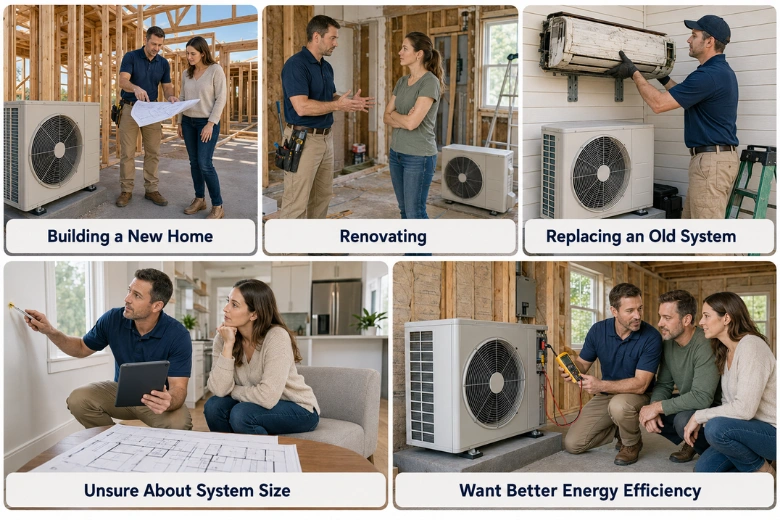
Professional can assess your home’s layout, heating needs, available space, and how you use each room to help you choose a system that delivers the right level of comfort and efficiency.
- Building a New Home: If you’re building a new home, it’s best to plan your heating and cooling system early. A ducted system can be incorporated into the design more easily when space for ductwork is considered during construction.
- Renovating: Renovations may provide an opportunity to add ductwork or change your existing heating setup. A professional can assess whether a ducted or multi-split system will work best with the planned changes.
- Replacing an Old System: If your existing heating system is becoming unreliable or inefficient, a professional can assess your home and compare the suitability of a ducted or multi-split replacement.
- Unsure About System Size: Choosing the correct system size is important for both comfort and efficiency. A professional can consider your home’s size, layout, insulation, and heating requirements before recommending a suitable system.
- Want Better Energy Efficiency: Professional system design and installation can help ensure the heat pump operates efficiently. Correct sizing, positioning, airflow, and system configuration can all affect energy use and performance.
An assessment of your home can make it easier to decide between ducted and multi-split based on your comfort needs, property layout, and long-term goals.
Conclusion
Both ducted and multi-split heat pumps can provide efficient heating and cooling, but they suit different types of homes and heating needs. A ducted system can be a good choice for homeowners who want whole-home comfort, central control, and a cleaner interior with most equipment hidden. A multi-split system offers greater flexibility when you want to heat or cool selected rooms and control each area separately.
The best choice depends on your home’s layout, room usage, budget, installation requirements, and personal comfort preferences. It’s worth looking beyond the initial price and considering long-term performance, energy use, and maintenance. If you’re unsure which option suits your home, Contact Clean Energy Solutions for professional advice and installation tailored to your heating and cooling needs.