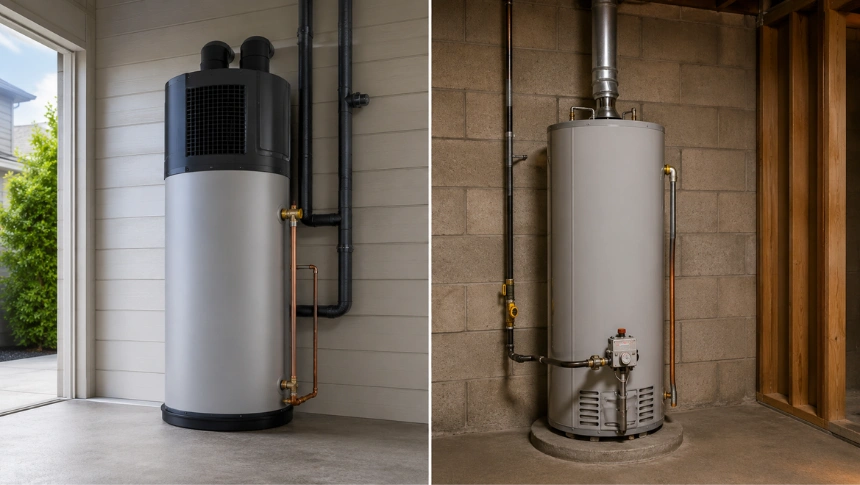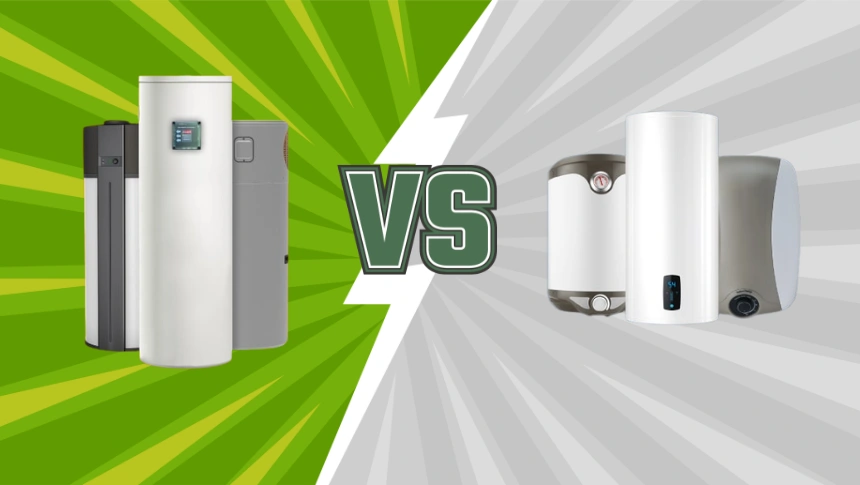

Electricity costs continue to rise, making many homeowners look for smarter and more energy efficient ways to heat their water. If you’re considering a hot water heat pump, it’s natural to wonder how much it will cost to run each month and whether the savings are worth the initial investment. The good news is that a hot water heat pump is designed to use significantly less electricity than many traditional water heating systems, helping reduce long-term energy expenses.
Choosing the right Hot Water Heat Pump can help lower your long-term energy costs while providing reliable hot water throughout the year. However, the actual running cost depends on several factors, including your household’s hot water usage, system efficiency, temperature settings, and regular maintenance. In this guide, we’ll explain what affects running costs, how you can reduce your electricity bills, and practical tips to get the best performance and value from your hot water heat pump.
What Are the Average Hot Water Heat Pump Running Costs?
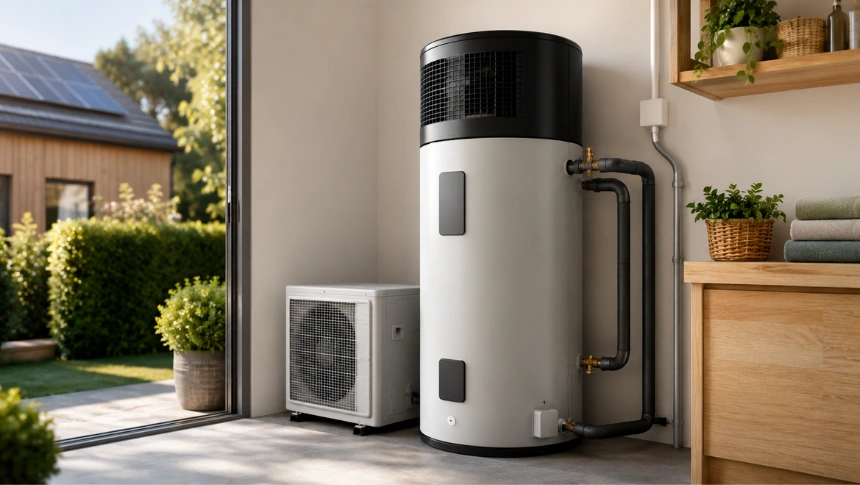
One of the biggest advantages of a hot water heat pump is its lower running cost compared to a traditional electric water heater. It uses heat from the surrounding air instead of relying solely on electricity, helping reduce energy consumption while providing reliable hot water.
Running costs vary between households and depend on factors such as hot water usage, system efficiency, and regular maintenance. A properly installed and well-maintained heat pump will typically operate more efficiently and help keep electricity costs lower.
Key Points
- Lower Electricity Consumption: Hot water heat pumps use heat from the surrounding air, allowing them to consume much less electricity than traditional electric water heaters.
- Daily Running Costs Vary: The cost to run a hot water heat pump changes depending on your household’s hot water demand, temperature settings, and seasonal conditions.
- Household Usage Matters: Homes with more occupants or higher hot water usage will naturally consume more energy, which can increase overall running costs.
- Energy Efficient Technology: Modern hot water heat pumps are designed to deliver reliable hot water while using energy more efficiently, helping reduce long-term electricity expenses.
By choosing the right system and using it efficiently, you can enjoy reliable hot water while keeping your electricity bills under control.
What Factors Affect Hot Water Heat Pump Running Costs?
Understanding the factors that influence energy consumption can help you use your system more efficiently and keep your electricity bills under control.
- Household Size: The number of people in your home has a direct impact on hot water usage. Larger households typically use more hot water, which can increase the system’s running costs.
- Hot Water Usage: Daily habits such as long showers, frequent laundry, and regular use of hot water throughout the day can increase energy consumption. Using hot water wisely helps reduce operating costs.
- Climate Conditions: Hot water heat pumps work by drawing heat from the surrounding air. During colder weather, the system may need to work harder, which can slightly increase electricity usage.
- System Efficiency: Modern, energy-efficient heat pumps are designed to produce hot water using less electricity. Choosing a high-quality system can help lower running costs over time.
- Water Temperature Settings: Setting the water temperature higher than necessary requires more energy. Using the recommended temperature can improve efficiency while still providing enough hot water for daily needs.
- Maintenance: Regular servicing and keeping the unit clean allow the system to operate efficiently. A well-maintained heat pump uses less energy and is less likely to develop performance issues.
By paying attention to these areas, you can reduce running costs and get the best performance from your hot water heat pump.
How Does a Hot Water Heat Pump Save Money?
By using energy more efficiently than traditional water heating systems, it can help lower running costs and deliver long-term savings.
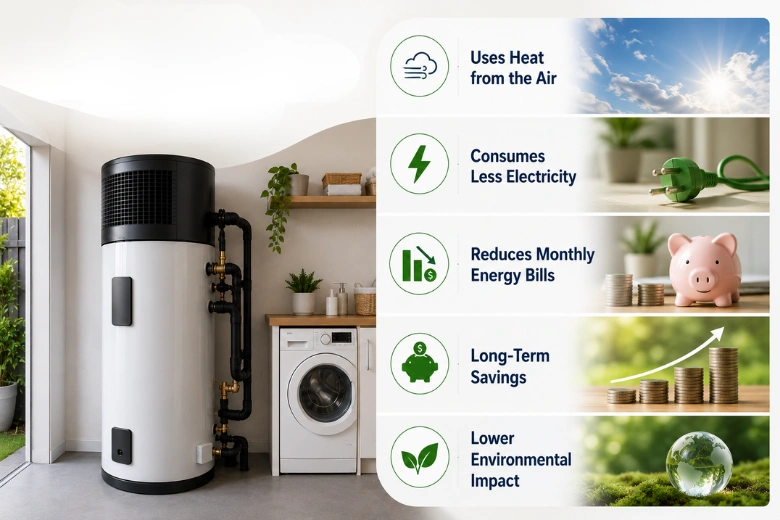
Uses Heat from the Air
Instead of generating heat using electricity alone, a hot water heat pump captures heat from the surrounding air and transfers it to the water. This process requires much less electricity, making it a more efficient way to heat water.
Consumes Less Electricity
Because the system uses renewable heat from the air, it consumes significantly less electricity than a conventional electric water heater. Lower energy consumption means lower operating costs over time.
Reduces Monthly Energy Bills
Using less electricity each day can lead to noticeable savings on your monthly power bills. The exact amount depends on your household’s hot water usage and the efficiency of the system.
Long-Term Savings
Although a hot water heat pump may have a higher upfront cost, its lower running costs can help offset the initial investment over the years. This makes it a cost-effective choice for many homeowners.
Lower Environmental Impact
Using less electricity not only saves money but also reduces your home’s overall energy consumption. This makes a hot water heat pump a more environmentally friendly option for heating water.
Combined with lower monthly energy bills, long-term savings, and improved energy efficiency, it offers excellent value for homeowners looking to reduce both their running costs and environmental impact.
Tips to Reduce Hot Water Heat Pump Running Costs
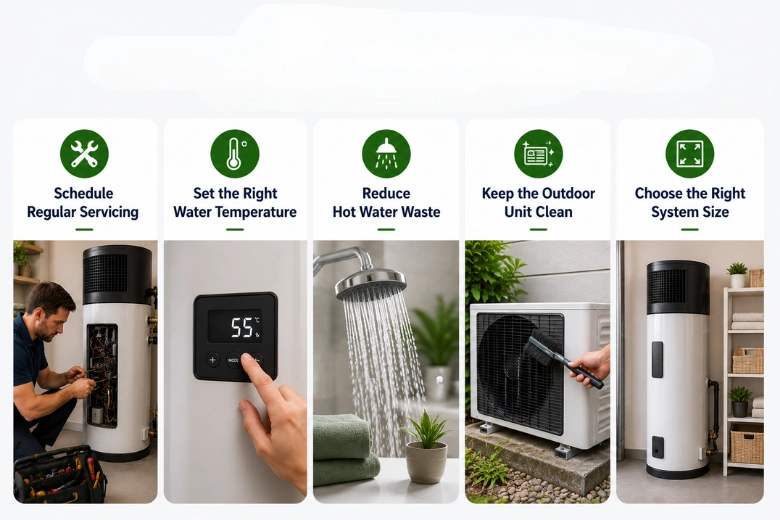
Few simple maintenance habits and smart usage practices can help reduce electricity consumption and lower your long-term running costs.
- Schedule Regular Servicing: Professional servicing keeps your system operating efficiently and helps identify minor issues before they become costly repairs. Regular maintenance can also improve the unit’s overall performance.
- Set the Right Water Temperature: Avoid setting the water temperature higher than necessary. Using the recommended temperature provides comfortable hot water while reducing unnecessary energy consumption.
- Reduce Hot Water Waste: Simple habits such as taking shorter showers, fixing leaking taps, and only using hot water when needed can help reduce your household’s energy usage.
- Keep the Outdoor Unit Clean: Clear away leaves, dust, and other debris from around the outdoor unit. Good airflow allows the heat pump to operate more efficiently and prevents it from working harder than necessary.
- Choose the Right System Size: Selecting a hot water heat pump that matches your household’s hot water needs is essential. A properly sized system operates more efficiently and helps avoid unnecessary energy costs.
Check out our Hot Water Heat Pump Maintenance Checklist for practical maintenance tips that can help improve performance and keep running costs low.
By maintaining your system, using hot water efficiently, and ensuring your heat pump is the right size for your home, you can enjoy reliable hot water while keeping your electricity bills under control.
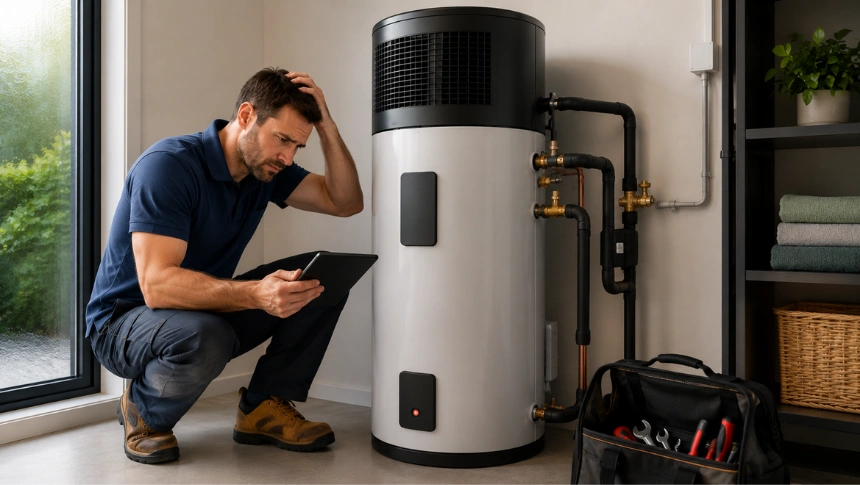
When Should You Contact Professionals?
Getting the right advice early can improve performance, reduce running costs, and help you avoid expensive repairs.
- Choosing the Right System Size: A professional can recommend a heat pump that matches your household’s hot water needs, ensuring efficient operation without unnecessary energy consumption.
- Improving Energy Efficiency: If your electricity bills are increasing, an expert can inspect your system, identify performance issues, and recommend ways to improve its efficiency.
- Professional Servicing: Regular servicing helps keep your heat pump operating at its best. A qualified technician can clean, inspect, and maintain the system to maximise its performance and lifespan.
- Replacing an Inefficient System: If your current heat pump is old, frequently breaking down, or becoming expensive to run, a professional can advise whether replacing it is the most cost-effective option.
- Expert Installation: A correctly installed heat pump performs more efficiently and lasts longer. Professional installation ensures the system is set up to deliver reliable hot water while keeping running costs as low as possible.
Whether you need servicing, a system upgrade, or a new installation, experienced professionals can help you get the best performance and value from your hot water heat pump.
Conclusion
Hot water heat pumps are one of the most energy efficient ways to provide reliable hot water while helping reduce household electricity costs. Although the exact running cost varies, it is influenced by factors such as your household’s hot water usage, the efficiency of the system, regular maintenance, and the temperature settings you choose. By understanding these factors, you can make informed decisions that improve performance and maximise long-term savings.
Regular servicing, efficient operation, and timely maintenance are the keys to keeping your hot water heat pump running at its best for years to come. If you’re looking to lower your running costs, improve your system’s performance, or install a new hot water heat pump, the team at Clean Energy Solutions is here to help. Contact Us today for expert advice, professional servicing, or a quality installation tailored to your home’s needs.