
Many homeowners notice that their electricity bills keep increasing, especially due to daily hot water usage. Traditional water heating systems consume a large amount of energy, which makes them expensive to run over time.
This is why many people are now switching to heat pump water heaters. However, understanding how efficient these systems are and how to get the best performance from them is important before making a decision.
What Is Hot Water Heat Pump Efficiency
Before improving efficiency, it is important to understand what it actually means. Many people assume efficiency is just about saving electricity, but it involves more than that.
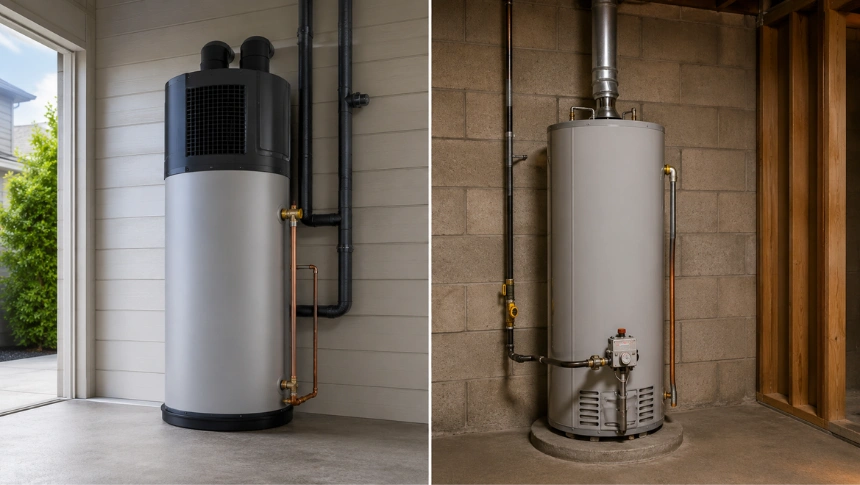
Hot water heat pump efficiency refers to how effectively the system uses electricity to heat water. Instead of generating heat directly, it transfers heat from the surrounding air, which requires less energy.
This process makes the system more energy efficient compared to traditional heaters. Better efficiency means lower energy consumption and reduced electricity bills.
How a Heat Pump Water Heater Achieves High Efficiency
Understanding how the system works helps explain why it is more efficient. The technology behind heat pumps is designed to use energy in a smarter way.
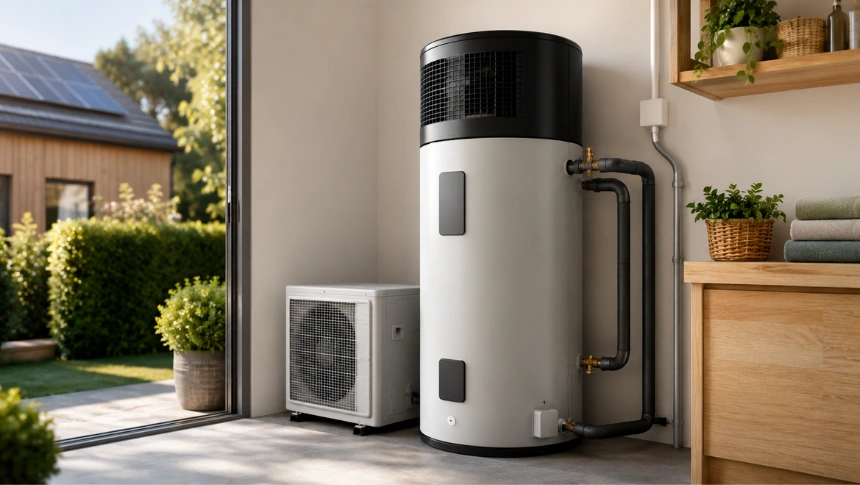
The system absorbs heat from the surrounding air using a special refrigerant. This heat is then compressed to increase its temperature and transferred to the water tank. Because the system moves heat instead of creating it, it uses less electricity.
- Heat Is Absorbed from Surrounding Air: The system pulls in warm air from the environment using an evaporator coil. A refrigerant inside the coil absorbs this heat and begins to warm up.
- Refrigerant Converts Heat into Gas: As the refrigerant absorbs heat, it changes from liquid to gas. This allows it to carry heat energy more efficiently through the system.
- Compressor Increases Temperature: The compressor increases the pressure of the refrigerant gas. This raises its temperature, making it hot enough to heat water.
- Heat Is Transferred to the Water Tank The hot refrigerant passes through a condenser coil around the tank. Heat is transferred to the water, warming it effectively.
- Cycle Repeats Continuously: After releasing heat, the refrigerant cools and returns to its original state. The cycle repeats to maintain a steady supply of hot water.
This process allows the system to produce more heat using less electricity. As a result, homeowners benefit from improved efficiency and a reliable hot water supply.
Factors That Affect Efficiency
Even though heat pump water heaters are designed to be energy efficient, their performance can vary based on certain conditions. Understanding these factors helps homeowners maintain better efficiency and consistent performance.
Small changes in setup, environment, or usage can impact how well the system works. Paying attention to these factors ensures the system operates at its full potential.
- Surrounding Air Temperature: Heat pump systems rely on ambient air to extract heat.
Warmer air allows the system to work more efficiently compared to colder environments. - Installation Location: Proper placement with good airflow improves heat absorption.
A poorly ventilated area can reduce system efficiency. - Tank Size Selection: Choosing the right tank size ensures the system meets household demand. An incorrect size can lead to energy wastage or insufficient hot water.
- Insulation Quality: Well insulated tanks and pipes help retain heat for longer periods.
This reduces the need for repeated heating and improves efficiency. - Usage Patterns: Frequent or excessive hot water usage can increase system workload.
Balanced usage helps maintain steady performance and efficiency.
Managing these factors helps the system perform efficiently over time. With proper setup and usage, homeowners can achieve better energy savings and reliable hot water supply.
Benefits of High Efficiency Systems
Choosing a high efficiency system can make a noticeable difference in both energy usage and overall comfort. Many homeowners look for ways to reduce costs, but efficiency also brings long term performance benefits.
Understanding these advantages helps you see why efficient systems are becoming more popular. They offer a balance of savings, reliability, and environmental benefits.
Key Benefits
- Lower Energy Bills: Efficient systems use less electricity to heat water.This helps reduce monthly utility costs over time.
- Environmentally Friendly Operation: Reduced energy consumption leads to lower carbon emissions. This makes the system a more sustainable choice for your home.
- Consistent Hot Water Supply: High efficiency systems maintain stable performance. This ensures you get reliable hot water without sudden drops.
- Reduced Energy Waste: These systems are designed to use energy more effectively. This minimizes unnecessary power usage and improves performance.
- Long Term Cost Savings: Although initial costs may be higher, savings increase over time. Efficient systems provide better value in the long run.
The combination of energy savings and reliable performance makes high efficiency systems a smart investment. Over time, homeowners benefit from improved comfort, lower costs, and better system performance.
Tips to Improve Hot Water Heat Pump Efficiency
Maintaining efficiency does not require complex changes. Simple steps can help your system perform better over time.
- Install the System in a Well Ventilated Area: Proper airflow helps the system absorb heat more effectively from the surrounding air.
- Set the Right Temperature: Avoid setting very high temperatures as it increases energy consumption unnecessarily.
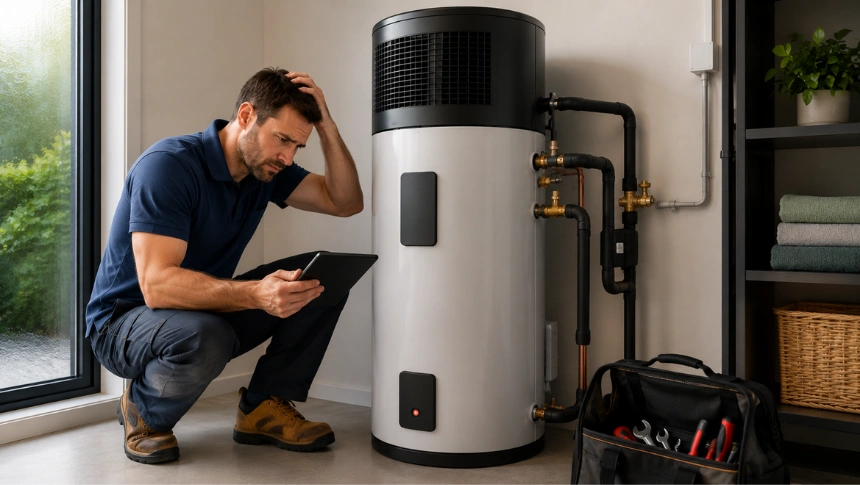
- Perform Regular Maintenance: Cleaning filters and checking components ensures smooth operation.
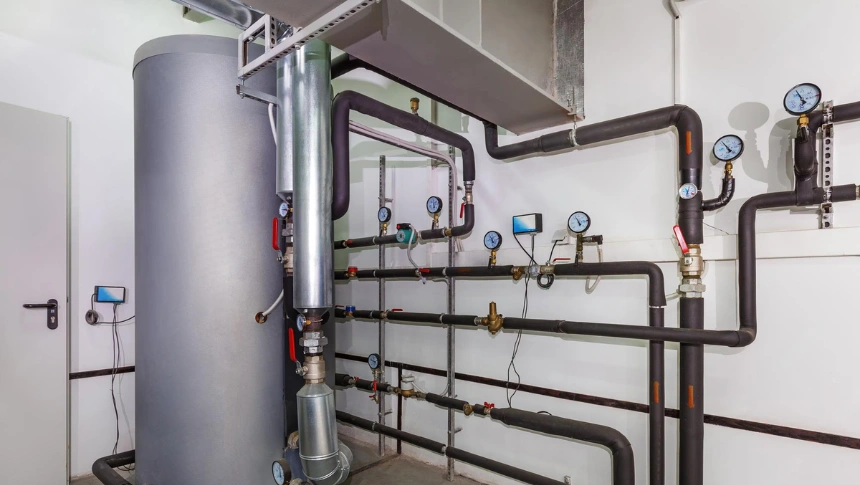
- Insulate the Tank and Pipes: Good insulation prevents heat loss and improves overall efficiency.
- Avoid Excessive Usage: Managing hot water usage reduces strain on the system.
Proper setup plays a key role in efficiency. Choosing professional hot water heat pump installation ensures the system is installed correctly and performs efficiently over the long term.
Common Efficiency Mistakes to Avoid
Even efficient systems can underperform if they are not used or maintained properly. Many homeowners make small mistakes without realizing their impact on overall efficiency.
Understanding these common issues can help you avoid unnecessary energy loss. Making simple corrections can improve system performance and reduce operating costs.
- Installing in a Poorly Ventilated Area
Placing the system in a closed space restricts airflow.
This reduces the system’s ability to absorb heat efficiently. - Ignoring Regular Maintenance
Skipping routine checks can lead to dirt buildup and reduced performance.
Over time, this lowers efficiency and increases energy usage. - Incorrect Temperature Settings
Setting the temperature too high increases energy consumption.
It also puts extra load on the system unnecessarily. - Poor Insulation of Tank and Pipes
Lack of proper insulation causes heat loss.
This forces the system to work harder to maintain temperature. - Overusing Hot Water
Excessive usage increases system workload.
This can affect efficiency and lead to higher energy bills.
Avoiding these mistakes helps maintain optimal system performance. With proper usage and care, your heat pump can deliver consistent efficiency and long term savings.
Is a Heat Pump Water Heater Worth It
Many homeowners consider whether the investment is worth it. Understanding long term benefits helps answer this question.
Heat pump water heaters may have a higher initial cost, but they save money over time through reduced energy usage. They also provide reliable performance and improved efficiency.
For households looking to reduce energy bills and improve sustainability, these systems are a practical solution. Proper installation and usage ensure maximum value.
Conclusion
Hot water heat pump efficiency plays a major role in reducing energy costs and improving system performance. By understanding how the system works and following simple maintenance practices, homeowners can maximise efficiency and long term savings.
If you are planning to upgrade your water heating system, choosing the right setup is important for achieving the best results. Contact us today for expert advice and professional support to improve your home’s hot water system efficiency.