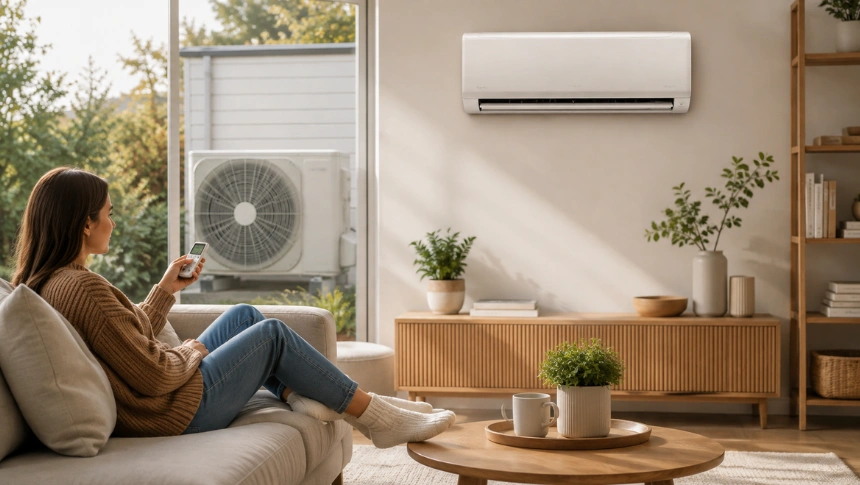
Heating and cooling your home efficiently can be challenging, especially when energy bills continue to rise. Many homeowners want a solution that keeps indoor spaces comfortable without using too much electricity or requiring complex installation.
Wall mounted heat pumps have become a popular choice because they provide both heating and cooling while remaining compact and energy efficient. This guide explains how these systems work, what the installation process involves, and what homeowners should know before installing one.
What Is a Wall Mounted Heat Pump?
Before understanding the installation process, it is important to know what a wall mounted heat pump actually is. Many people see the indoor unit on the wall but are unsure how the system functions.
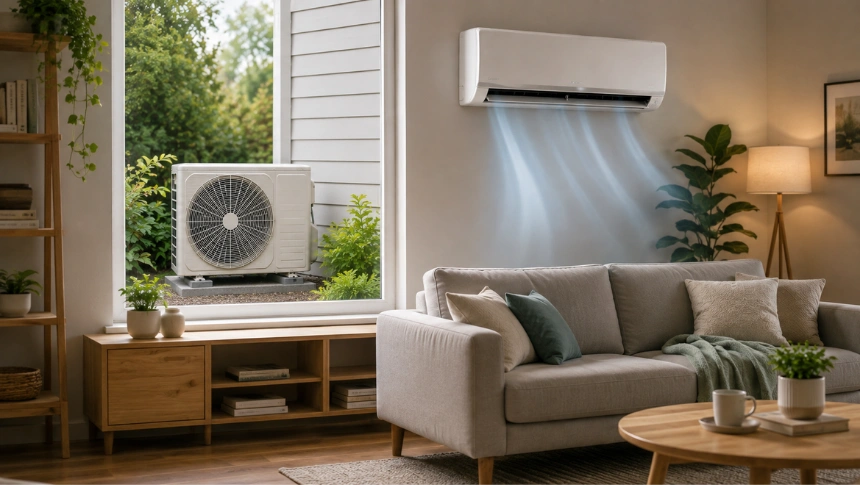
A wall mounted heat pump is a heating and cooling system that is installed on an interior wall and connected to an outdoor unit. It transfers heat between indoor and outdoor air to regulate room temperature efficiently.
These systems are commonly used in homes, apartments, and offices. Their compact design and energy efficiency make them a practical choice for maintaining indoor comfort throughout the year.
How a Wall Mounted Heat Pump Works
?
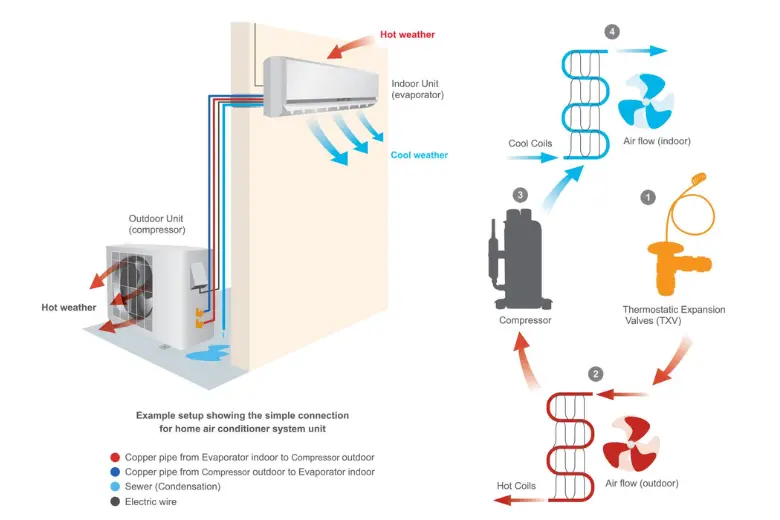
Understanding how a wall mounted heat pump works helps homeowners see why it is an energy efficient solution for heating and cooling. The system operates by transferring heat between indoor and outdoor air rather than generating heat directly.
Although the technology may sound complex, the working process follows a simple cycle. Each step plays a role in maintaining a comfortable indoor temperature throughout the year.
1. Indoor Unit Draws in Air
The indoor unit pulls warm air from inside the room through a fan system. This air then passes over coils that contain refrigerant.
2. Refrigerant Absorbs Heat
The refrigerant inside the coils absorbs heat from the indoor air. As it absorbs this heat, the refrigerant begins to warm up and change state.
3. Heat Is Carried to the Outdoor Unit
The heated refrigerant travels through insulated pipes to the outdoor unit. These pipes allow heat energy to move efficiently between the indoor and outdoor components.
4. Compressor Increases the Temperature
Inside the outdoor unit, the compressor increases the pressure of the refrigerant. This process raises the temperature and prepares it for heat release.
5. Heat Is Released or Absorbed
Depending on the mode selected, the system either releases heat outdoors or absorbs heat from outside air. In heating mode it brings warmth indoors, while in cooling mode it removes heat from the room.
This cycle continues automatically to maintain the selected temperature. Because the system transfers heat instead of creating it directly, it consumes less energy while still providing consistent heating and cooling
Main Components of a Wall Mounted Heat Pump
Understanding the main components of a wall mounted heat pump helps homeowners see how the system delivers both heating and cooling efficiently. Each part plays a specific role in transferring heat and maintaining comfortable indoor temperatures.
Although the system may appear simple from the outside, it consists of several important components working together. When these parts operate properly, they ensure reliable performance throughout the year.
1. Indoor Unit
The indoor unit is mounted on the wall inside the room and is responsible for distributing conditioned air. It pulls air from the room, processes it through internal coils, and releases it back to maintain the desired temperature.
2. Outdoor Unit
The outdoor unit is installed outside the building and contains the compressor and condenser. This unit manages the heat exchange process by releasing or absorbing heat depending on whether the system is heating or cooling.
3. Compressor
The compressor is one of the most important components of the system. It increases the pressure and temperature of the refrigerant, allowing heat to be transferred efficiently between indoor and outdoor units.
4. Refrigerant Pipes
Refrigerant pipes connect the indoor unit and outdoor unit. These insulated pipes allow the refrigerant to circulate through the system and carry heat from one unit to the other.
5. Thermostat or Controller
The thermostat or controller allows homeowners to adjust the desired temperature. It communicates with the system and ensures the heat pump operates according to the selected settings.
When all these components work together, the system can efficiently regulate indoor temperature. This coordinated operation ensures consistent comfort and reliable performance throughout different seasons.
Wall Mounted Heat Pump Installation Guide
Installing a wall mounted heat pump requires proper planning and accurate setup. Each step in the installation process ensures the system works safely and provides efficient heating and cooling.
Although the process is usually handled by professionals, understanding the steps can help homeowners know what to expect. A well planned installation also improves the overall performance of the system
1. Site Inspection and Planning
The installation process begins with a site inspection of the home. Technicians assess the room layout, electrical supply, and available space for both indoor and outdoor units.
2. Selecting the Indoor Unit Location
The indoor unit is mounted on a suitable wall inside the room. The location is chosen to allow proper airflow and even air distribution throughout the space.
3. Installing the Outdoor Unit
The outdoor unit is placed outside the home in a stable and well ventilated location. It must be positioned where airflow is not blocked and maintenance access is possible.
4. Connecting Refrigerant Pipes
Refrigerant pipes are installed between the indoor and outdoor units. These pipes allow the refrigerant to circulate and transfer heat efficiently between both components.
5. Electrical Wiring and System Setup
Technicians connect the system to the electrical supply and install the necessary control wiring. This step ensures the heat pump can operate safely and respond to temperature settings.
6. Testing and System Commissioning
Once installation is complete, the system is tested to confirm everything is functioning correctly. Any required adjustments are made to ensure smooth and efficient operation.
Working with professionals for Wall Mounted Heat Pump Installation helps ensure the system is installed correctly and performs efficiently for many years. Proper installation reduces the risk of technical problems and improves overall system reliability.
Best Location for Installing a Wall Mounted Heat Pump
Choosing the right location is important for both comfort and system efficiency. Proper placement allows the unit to distribute air evenly throughout the room.
The indoor unit should be installed at an appropriate height on a wall where airflow is not blocked by furniture or obstacles. It should also be positioned away from direct sunlight or heat sources that may affect temperature readings. The outdoor unit should be placed in a well ventilated area with adequate space around it.
Good placement improves overall performance and comfort. Correct positioning also helps extend the lifespan of the system.
Benefits of Wall Mounted Heat Pumps
Wall mounted heat pumps are widely used in modern homes because they offer both comfort and energy efficiency. Their compact design and advanced technology make them suitable for maintaining indoor temperature throughout the year.
These systems provide reliable heating and cooling while using less electricity compared to traditional systems. Understanding their benefits helps homeowners see why they are a popular choice for residential spaces.
1. Energy Efficient Operation
Wall mounted heat pumps transfer heat instead of generating it directly. This process allows the system to use less electricity while still maintaining comfortable indoor temperatures.
2. Heating and Cooling in One System
These units can provide both heating during winter and cooling during summer. This dual functionality eliminates the need for separate heating and cooling systems.
3. Compact and Space Saving Design
Wall mounted units are designed to fit neatly on interior walls. Their compact size makes them ideal for rooms where space is limited.
4. Easy and Quick Installation
Compared to larger systems, wall mounted heat pumps are easier to install. The installation process usually requires less structural modification to the home.
5. Quiet Operation
Modern wall mounted heat pumps operate with very low noise levels. This makes them suitable for bedrooms, living rooms, and office spaces.
6. Improved Indoor Comfort
These systems distribute air evenly across the room. Consistent airflow helps maintain stable indoor temperatures throughout the space.
The combination of efficiency, convenience, and comfort makes wall mounted heat pumps a practical solution for many homes. With proper installation and maintenance, they can provide reliable heating and cooling for many years.
Common Installation Mistakes to Avoid
Even advanced heating systems can perform poorly if installation mistakes occur. Understanding these common errors helps homeowners avoid problems that may reduce system efficiency or lifespan.
Proper planning and professional installation are important to ensure the heat pump operates correctly. Being aware of these mistakes can help prevent unnecessary repairs and performance issues.
Common Mistakes
Incorrect Indoor Unit Placement: Installing the indoor unit where airflow is blocked by furniture or walls can reduce air circulation and system efficiency.
Poor Outdoor Unit Location: Placing the outdoor unit in a tight or poorly ventilated area can limit heat exchange and affect system performance.
Improper Electrical Connections: Incorrect wiring or electrical setup may lead to safety risks and prevent the system from operating properly.
Poorly Sealed Refrigerant Pipes: Refrigerant leaks caused by loose or poorly sealed connections can reduce cooling and heating efficiency.
Wrong Installation Height: Mounting the indoor unit too high or too low can affect how evenly air is distributed in the room.
Avoiding these installation mistakes improves the overall performance and reliability of the heat pump system. Professional installation ensures the system is set up correctly and works efficiently for many years.
Maintenance Tips After Installation
Regular maintenance helps keep the system working efficiently for many years. Simple care routines can prevent small issues from becoming major problems.
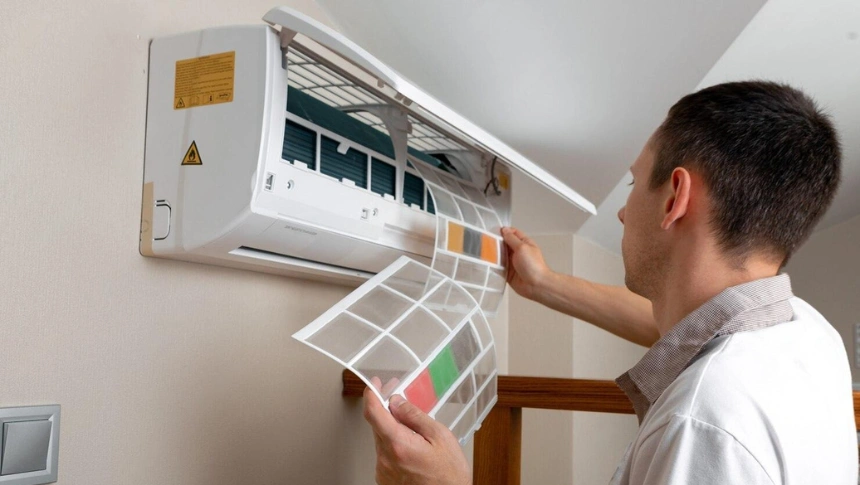
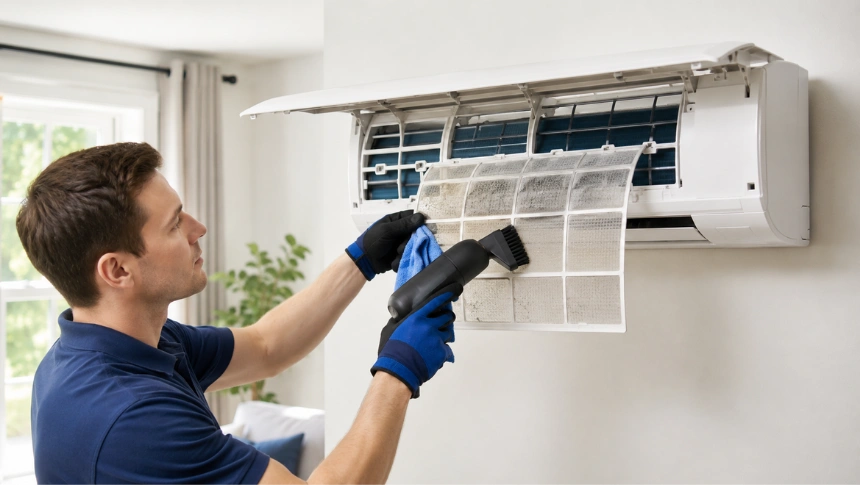
Cleaning the air filters regularly improves airflow and indoor air quality. Checking the outdoor unit for dust or debris ensures proper ventilation. Scheduling periodic servicing by a technician also helps maintain system efficiency.
Proper maintenance supports long term performance. A well maintained heat pump provides consistent heating and cooling throughout its lifespan.
Cost of Installing a Wall Mounted Heat Pump
Cost is an important factor for homeowners considering a new heating system. Understanding the potential expenses helps with planning and budgeting.
The overall cost includes the heat pump unit, installation labour, electrical connections, and piping. Prices may vary depending on the size of the system and the complexity of installation. Although the initial investment may seem significant, energy savings over time can offset the cost.
Considering both short term and long term expenses helps homeowners make informed decisions. Efficient systems often provide better value over time.
Conclusion
Wall mounted heat pumps offer an efficient way to heat and cool your home while maintaining a compact and modern design. By understanding how the system works and following the correct installation process, homeowners can enjoy reliable indoor comfort throughout the year.
If you are considering installing a heat pump in your home, professional guidance can make the process easier and more effective. Contact our team today for expert advice and assistance with installing the right heat pump system for your property.
Related Articles
How to Clean a Wall Mounted Heat Pump: Complete Guide
25th Aug 2026
How Long Should a Heat Pump Run? Is 24/7 Normal?
24th Aug 2026
How to Use a Heat Pump Efficiently: 9 Simple Tips for Homeowners