
Mould is one of the most common and frustrating problems homeowners face. You clean it from the walls, wipe it from the windows, and remove it from ceilings, only to see it return again a few weeks later. Along with the unsightly stains, mould can create musty smells, damage paint and surfaces, and make your home feel damp and uncomfortable. If left untreated, it can quickly spread to different areas of the house and become much harder to manage.
The good news is that mould does not appear without a reason. In most homes, it develops because of excess moisture, condensation, and poor airflow. This is where mould prevention ventilation can make a significant difference. By improving air circulation and removing damp indoor air, the right ventilation solution can help create a drier, healthier, and more comfortable living environment. In this guide, you will learn what causes mould, how ventilation helps prevent it, and the best ways to protect your home throughout the year.
What is Mould Prevention Ventilation?
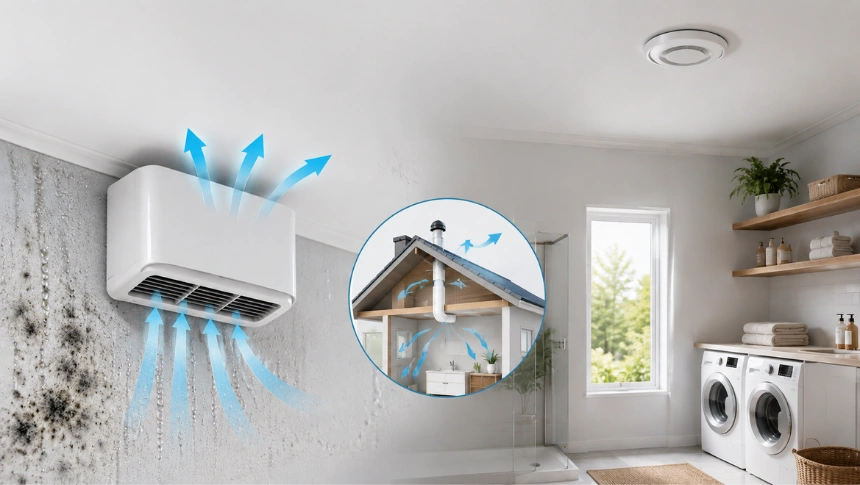
Mould prevention ventilation is one of the most effective ways to control excess moisture inside your home and reduce the conditions that allow mould to grow. Instead of constantly cleaning mould after it appears, ventilation helps tackle the root cause of the problem by improving airflow and removing damp, stale air from indoor spaces. This is especially important in areas such as bathrooms, kitchens, bedrooms, and laundry rooms where moisture levels are often higher.
By continuously replacing humid indoor air with fresher air, ventilation helps lower humidity levels and reduce condensation on walls, ceilings, and windows. When moisture is properly controlled, mould has far fewer opportunities to develop and spread throughout the home. In addition to preventing mould growth, good ventilation can improve indoor air quality, reduce musty odours, and create a healthier and more comfortable living environment for your family.
Why Does Mould Grow Inside Homes?
Mould does not appear without a reason. In most cases, it develops when excess moisture remains trapped inside the home for extended periods. Once moisture builds up on walls, ceilings, windows, or other surfaces, mould can begin to grow and spread quickly if the conditions remain unchanged.
Understanding the common causes of mould growth can help homeowners identify problems early and take steps to create a healthier and drier indoor environment.
High Humidity
When indoor humidity levels remain high, the air contains more moisture than it should. This excess moisture can settle on surfaces throughout the home, creating ideal conditions for mould growth.
Poor Airflow
Rooms with limited ventilation often struggle to remove damp air effectively. Without proper airflow, moisture remains trapped indoors and increases the risk of mould developing.
Condensation Build Up
Condensation forms when warm indoor air comes into contact with colder surfaces such as windows, walls, or ceilings. The resulting water droplets provide a constant source of moisture that mould can use to grow.
Daily Activities
Everyday activities such as cooking, showering, washing clothes, and drying laundry indoors release significant amounts of moisture into the air. Without proper ventilation, this moisture can quickly build up inside the home.
Insufficient Ventilation
A lack of effective ventilation prevents humid air from leaving the property. As moisture accumulates over time, it creates the damp conditions that mould needs to survive and spread.
By addressing humidity, condensation, and ventilation issues early, homeowners can reduce the risk of mould growth and maintain a healthier living environment.
How Ventilation Helps Prevent Mould
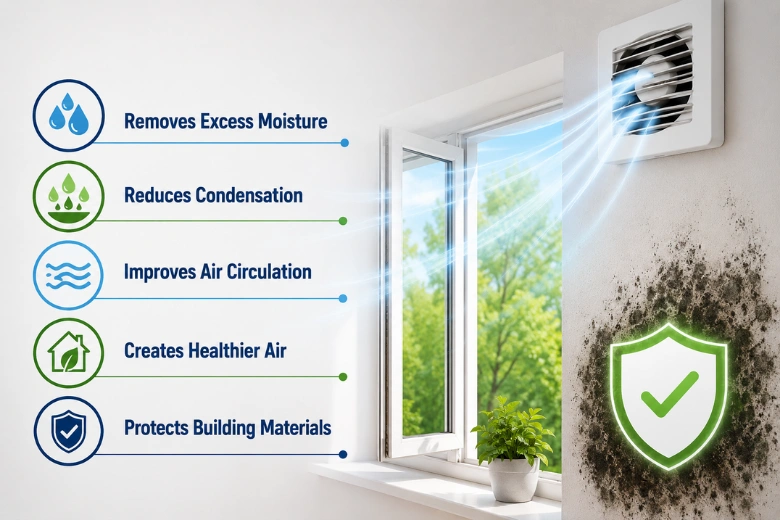
Proper ventilation helps prevent mould by reducing excess moisture in the home. By removing humid air and limiting condensation, it creates a drier, healthier environment where mould is less likely to grow.
Removes Excess Moisture
Everyday activities such as cooking, showering, washing, and drying clothes release moisture into the air. Ventilation systems help remove this excess moisture before it builds up and creates damp conditions inside the home.
Reduces Condensation
Condensation occurs when warm, moist air comes into contact with cooler surfaces like windows and walls. Ventilation helps lower indoor humidity levels, reducing the amount of moisture that forms as water droplets.
Improves Air Circulation
Good airflow prevents damp air from becoming trapped in certain areas of the home. Continuous air movement helps keep rooms drier and reduces the likelihood of mould developing in hidden corners or poorly ventilated spaces.
Creates Healthier Air
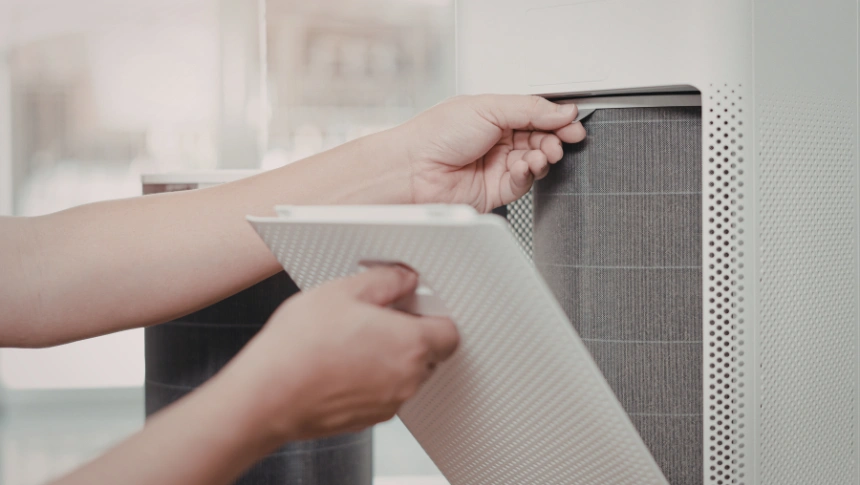
Ventilation removes stale, humid air and replaces it with fresher air from outside. This helps improve indoor air quality and creates a more comfortable living environment for occupants.
Protects Building Materials
Excess moisture can damage walls, ceilings, timber, paint, carpets, and furnishings over time. By controlling humidity levels, ventilation helps protect these materials and reduces the risk of mould related deterioration.
By removing moisture, reducing condensation, and improving airflow, it helps create conditions where mould struggles to grow, keeping your home healthier and better protected throughout the year.
Signs Your Home Needs Better Ventilation
Many homeowners do not realise ventilation problems exist until mould becomes visible. Fortunately, there are several warning signs that can indicate poor airflow and excess moisture.
- Window Condensation: Regular water droplets forming on windows, especially during mornings, often indicate excess indoor moisture.
- Musty Odours: A persistent damp or musty smell can be a sign that moisture is trapped inside the home and airflow is limited.
- Mould Spots: Black or dark patches appearing on walls, ceilings, corners, or around windows are common indicators of poor ventilation.
- Damp Cupboards: Wardrobes, cupboards, and storage spaces feeling damp or developing mould suggest moisture is not being removed effectively.
- Peeling Paint: Paint bubbling, peeling wallpaper, or damaged wall surfaces can occur when excess moisture remains trapped indoors.
- Stuffy Rooms: Rooms that frequently feel humid, stuffy, or uncomfortable may not have enough airflow to control moisture levels.
Improving ventilation early can help reduce condensation, prevent mould growth, and create a healthier indoor environment.
Best Areas to Ventilate for Mould Prevention

Improving airflow in these high moisture areas can help reduce dampness, improve indoor air quality, and lower the risk of mould developing throughout the home.
Bathroom Ventilation
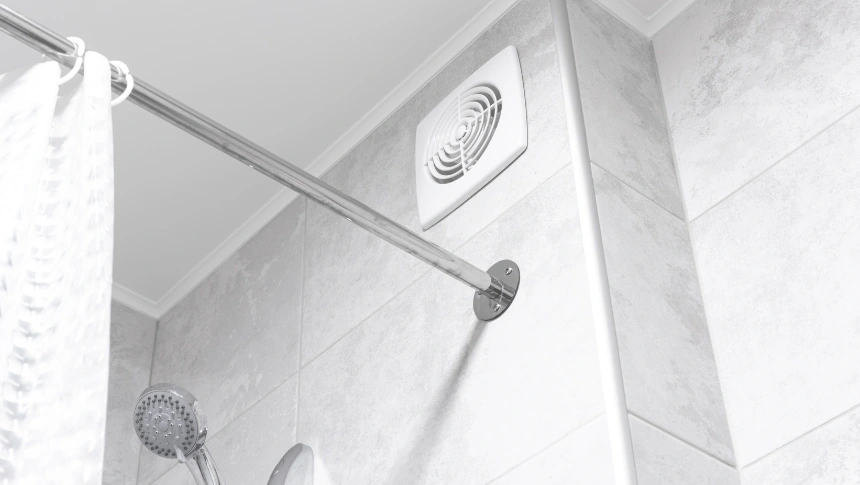
Bathrooms are one of the most common places for mould to develop because hot showers and baths release large amounts of steam into the air. Without proper ventilation, this moisture settles on walls, ceilings, mirrors, and windows.
Good ventilation helps remove humid air quickly and reduces the likelihood of mould growth.
Kitchen Ventilation
Cooking, boiling water, and washing dishes all add moisture to indoor air. If this moisture is not removed, it can build up and contribute to condensation and damp conditions.
Proper airflow helps maintain a healthier and more comfortable kitchen environment.
Laundry Ventilation
Laundry rooms can generate significant moisture, especially when clothes are dried indoors. The moisture released from wet clothing can increase indoor humidity and create ideal conditions for mould.
Ventilating the laundry area helps remove excess moisture before it spreads through the home.
Bedroom Ventilation
Many people are surprised to learn that bedrooms can experience moisture problems. Breathing during sleep releases moisture into the air, and poor overnight airflow can lead to condensation on windows and surrounding surfaces.
Regular ventilation helps maintain a fresher and drier sleeping environment.
Living Area Ventilation
Living rooms and open plan areas may not generate as much moisture as bathrooms or kitchens, but they still benefit from good airflow. Proper ventilation helps maintain balanced humidity levels and supports healthier indoor air quality throughout the home.
By improving ventilation in bathrooms, kitchens, laundries, bedrooms, and living areas, homeowners can create a drier, healthier, and more comfortable home environment.
Benefits of Mould Prevention Ventilation
When excess moisture is removed effectively, homeowners can enjoy both immediate improvements and long term benefits throughout the property.
- Lower Humidity: High indoor humidity is one of the main causes of condensation and mould. Proper ventilation helps remove excess moisture from the air, keeping humidity levels more balanced throughout the home.
- Less Condensation: Ventilation reduces the amount of moisture that settles on windows, walls, and ceilings. This helps minimise condensation and prevents damp surfaces from developing.
- Healthier Air: By removing stale, damp air and introducing fresher air, ventilation helps improve indoor air quality and creates a healthier environment for everyday living.
- Reduced Mould: Mould needs moisture to survive and spread. Ventilation helps control the conditions mould relies on, making it much harder for growth to occur.
- Better Comfort: A well ventilated home feels fresher, drier, and more comfortable throughout the year. It can also help reduce stuffy rooms and unpleasant odours.
- Property Protection: Excess moisture can damage walls, ceilings, paint, timber, carpets, and furnishings over time. Ventilation helps protect these materials and reduces the risk of costly moisture related repairs.
By improving airflow, reducing moisture, and protecting your home from dampness, it helps create a healthier and more comfortable living environment for the long term.
How to Choose the Right Ventilation System

Before selecting a ventilation solution, it is important to assess your home’s specific conditions. Understanding where moisture problems occur and how much ventilation is needed will help ensure the system delivers effective long term results.
Home Size
The size of your home plays a major role in determining the type and capacity of ventilation system required. Larger homes often need more comprehensive airflow solutions than smaller properties.
Moisture Levels
Homes experiencing regular condensation, dampness, or mould growth typically require a more effective ventilation solution to manage excess moisture.
Occupancy Levels
The more people living in a home, the more moisture is produced through daily activities such as cooking, showering, and breathing.
Insulation Quality
Well insulated homes can retain warmth efficiently, but they may also trap moisture if ventilation is insufficient. Balancing insulation and airflow is essential.
Budget Goals
Different ventilation systems offer varying levels of performance and energy efficiency. Choosing a solution that matches both your needs and budget is important.
Problem Areas
Pay close attention to rooms most affected by condensation, mould, or dampness. Bathrooms, kitchens, bedrooms, and laundry areas often require additional ventilation support.
Professional Assessment
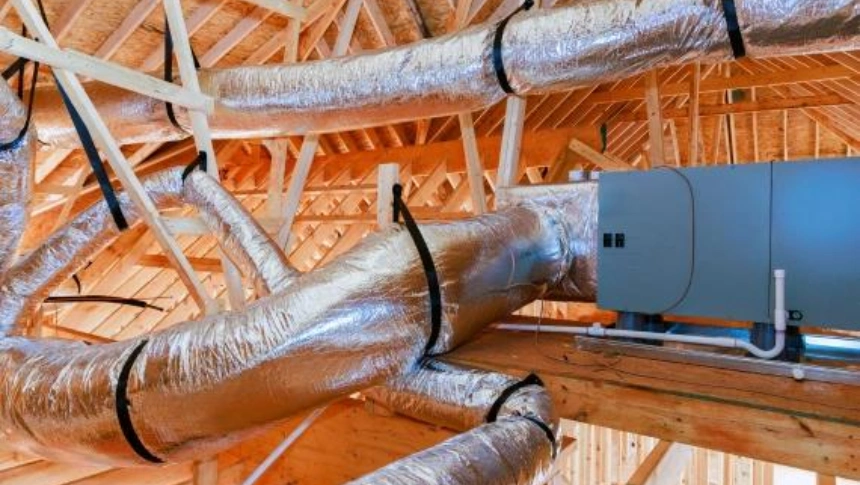
For homeowners experiencing ongoing moisture issues, professional ventilation system installation can help ensure the system is correctly designed and sized for the property’s specific requirements.
The right solution can help control moisture, reduce condensation, prevent mould growth, and create a healthier indoor environment for years to come.
Conclusion
Mould problems rarely disappear on their own. In most cases, excess moisture, condensation, and poor airflow continue to create conditions that allow mould to return again and again. Addressing the source of the problem through proper ventilation is one of the most effective ways to protect your home and improve indoor comfort.
A well designed ventilation system can reduce humidity, improve air quality, prevent condensation, and help create a healthier living environment for your family. If you are experiencing ongoing mould or moisture issues, contact Clean Energy Solutions today for expert advice and a professional assessment. Our team can help you find the right ventilation solution to keep your home dry, comfortable, and mould free all year round.