
You wake up feeling tired even after a full night’s sleep. The room feels a bit heavy, the windows are slightly foggy, and there’s that odd smell you can’t quite figure out. Most people brush it off and move on with their day.
But something’s not right. The air inside your home isn’t as fresh as it should be. When airflow is poor, moisture and stale air start building up, and over time, it begins to affect how you feel without you even realizing it.
What is Indoor Air Quality and Why It Matters
Most people think if their home looks clean, the air must be clean too. But that’s not how it works. A room can look perfectly fine and still have poor air quality because the problem isn’t visible.
Here’s what’s actually happening. Every day, your home collects tiny particles from cooking, dust, cleaning products, and even the air you breathe out. When there’s not enough airflow, all of this stays trapped inside and slowly builds up.
Indoor air quality is simply about how clean, fresh, and safe the air inside your home is. When it’s good, you don’t really notice it. But when it’s not, you start feeling the difference without always knowing why.
- Affects how you feel daily: Poor air can make you feel tired, uncomfortable, or low on energy even after rest.
- Impacts breathing and health: Dust, allergens, and pollutants can irritate your nose, throat, and lungs over time.
- Creates moisture-related problems: High humidity leads to dampness, condensation, and eventually mold.
- Changes how your home feels: The air starts to feel heavy, stuffy, and harder to stay comfortable in.
- Causes long-term damage: Moisture and poor air can affect walls, paint, furniture, and overall home condition.
When indoor air quality is ignored, small issues slowly turn into bigger problems. But once you fix the airflow and keep the air moving, everything starts feeling lighter, cleaner, and much easier to live in.
How Ventilation Affects Indoor Air Quality
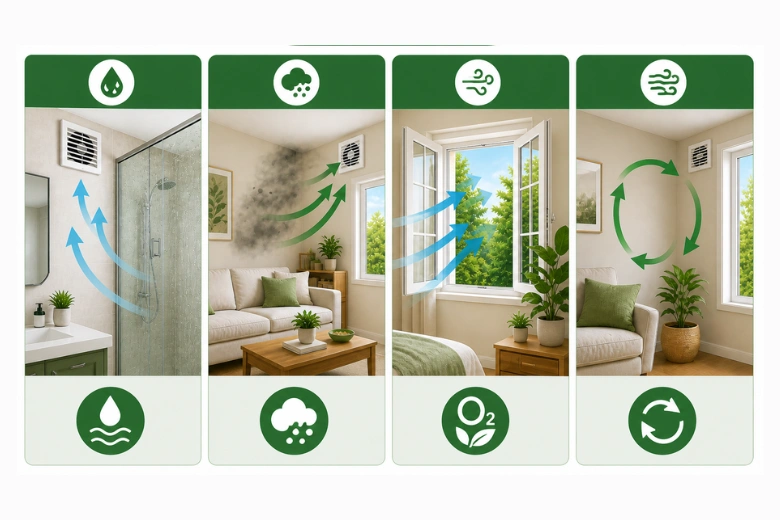
Air inside your home doesn’t get replaced unless something actually moves it. It just keeps circulating in the same space, picking up moisture, dust, cooking fumes, and everything else from daily life.
Here’s what most people don’t realize. Every time you cook, shower, clean, or even sit in a closed room, you’re adding more particles into the air. Without proper ventilation, all of that stays inside and slowly builds up.
This is where ventilation starts doing its job. It removes the used, stale air and replaces it with fresh air from outside. That simple exchange is what keeps your indoor environment balanced.
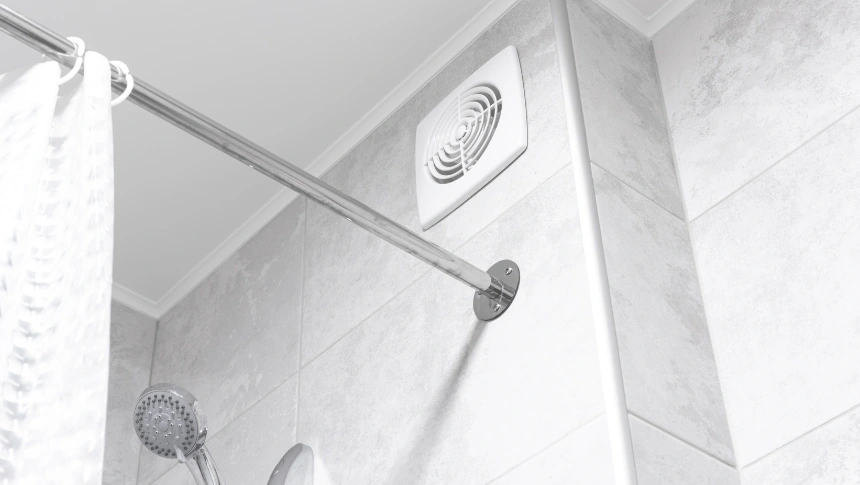
- Removes trapped moisture: Steam from showers and cooking doesn’t stay stuck inside, which helps prevent dampness and condensation.
- Clears out pollutants and odors: Things like smoke, cleaning chemicals, and everyday smells don’t linger for long.
- Brings in fresh oxygen-rich air: You feel the difference when the air is lighter and easier to breathe.
- Prevents air from becoming stale: Constant movement keeps your home from feeling closed and uncomfortable.
When ventilation is missing or not working properly, the air becomes heavy and dull. You might not notice it immediately, but over time, it affects how your home feels and how comfortable you are inside it.
Common Health Problems Caused by Poor Air Quality
Most people don’t link everyday health issues to the air inside their home. It feels normal, so it doesn’t raise concern. But when the air isn’t clean or fresh, your body starts reacting in small ways that build up over time.
- Allergies: Dust and tiny particles in the air can trigger sneezing, itchy eyes, and constant irritation. It may feel like a seasonal issue, but poor indoor air can make it worse every day.
- Breathing Issues: When airflow is poor, the air feels heavier and harder to breathe. This becomes more noticeable for children, older adults, or anyone with existing respiratory problems.
- Headaches: Stale air and low oxygen circulation can leave you with frequent headaches. It’s one of those signs people ignore, but it often links back to poor ventilation.
- Fatigue: You might be getting enough sleep but still feel tired. Heavy, unrefreshed air can affect your energy levels more than you realize.
- Skin Irritation: Poor air quality can dry out your skin or cause irritation, especially when there’s too much dust or imbalance in humidity.
These problems don’t always feel serious at first, which is why they’re easy to ignore. But over time, they start affecting your comfort, health, and daily routine in ways that are hard to overlook.
Signs Your Indoor Air Quality is Poor
Your home usually tells you something isn’t right, just not in an obvious way. These signs show up slowly, so most people ignore them until they become hard to deal with.
- Stuffy Air: The room feels heavy or closed, even when everything is clean. It just doesn’t feel fresh.
- Musty Smell: A damp or unpleasant smell that keeps coming back, especially in certain rooms.
- Dust Build-Up: Surfaces get dusty quickly even after cleaning, which means particles are staying in the air.
- Window Condensation: Fog or water droplets on windows, especially in the morning, point to excess moisture inside.
- Mold Spots: Small black or dark patches in corners, walls, or ceilings are a clear warning sign.
These are early signals your home gives you. If you keep noticing them, it usually means the air inside isn’t circulating properly and needs to be fixed before it turns into a bigger issue.
Why Modern Homes Need Better Ventilation Solutions
Homes today are built very differently compared to older ones. They are tighter, more sealed, and designed to keep heat in or out efficiently. That sounds good, but it also means the air inside doesn’t move as freely as it used to.
Here’s where people get caught off guard. When a home is sealed, everything stays inside, not just temperature, but also moisture, dust, and stale air. Without proper airflow, these things slowly build up and start affecting comfort.
Natural ventilation alone usually isn’t enough anymore. Opening a window might help for a while, but it doesn’t give you consistent airflow throughout the home.
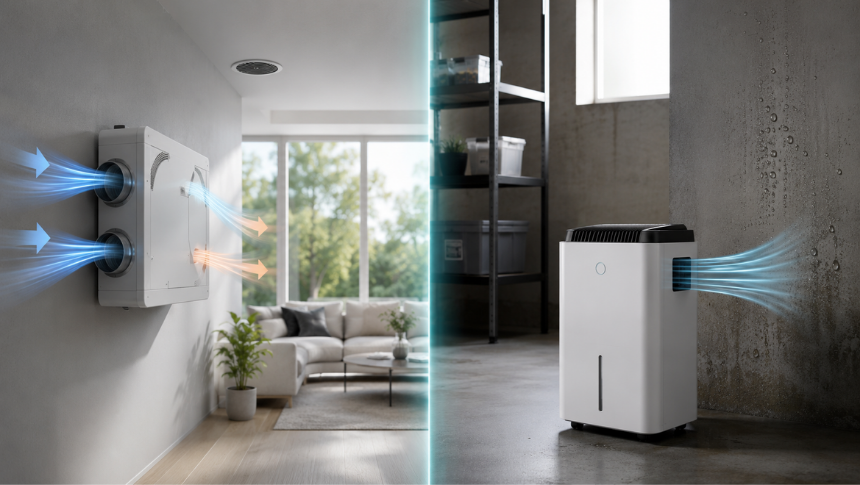
That’s why modern ventilation solutions are becoming essential, not optional. They’re designed to keep air moving in a controlled way without making your home uncomfortable.
- Keeps airflow consistent: Fresh air comes in and stale air goes out without depending on weather or open windows.
- Controls indoor moisture: Helps prevent condensation, dampness, and mold from forming.
- Maintains comfort levels: Air is refreshed without losing too much heat or cooling.
- Works with modern home design: Built to suit tightly sealed spaces where natural airflow is limited.
When your home is sealed, ventilation needs to be planned, not left to chance. Once it’s set up properly, the difference in comfort is easy to notice.
Ventilation and Long-Term Health Benefits
Most people look for quick fixes when something feels off at home. But airflow isn’t a short-term problem. When it’s handled properly, it quietly improves how you feel every single day.
Here’s what changes over time. When the air inside your home stays fresh and balanced, your body doesn’t have to deal with constant irritation from dust, moisture, or stale air.
- Better breathing: Clean air makes it easier to breathe without discomfort or irritation.
- Improved sleep: Rooms feel lighter and more comfortable, which helps you rest properly at night.
- Steady energy levels: You don’t feel that constant tiredness that comes from heavy indoor air.
- Fewer recurring issues: Problems like allergies, headaches, and irritation don’t keep coming back.
- Healthier living environment: Your home supports your well-being instead of working against it.
The difference isn’t something you notice in a day. But over time, it adds up. When airflow is right, your home feels easier to live in, and your body feels the same way.
Conclusion
If your home feels heavy, damp, or uncomfortable, it’s usually not something you should ignore. These small signs often point toward poor indoor air quality, which only gets worse over time.
What actually makes a difference is improving airflow in a way that suits your home. Once that’s sorted, everything starts to feel lighter, cleaner, and more comfortable without constant adjustments.
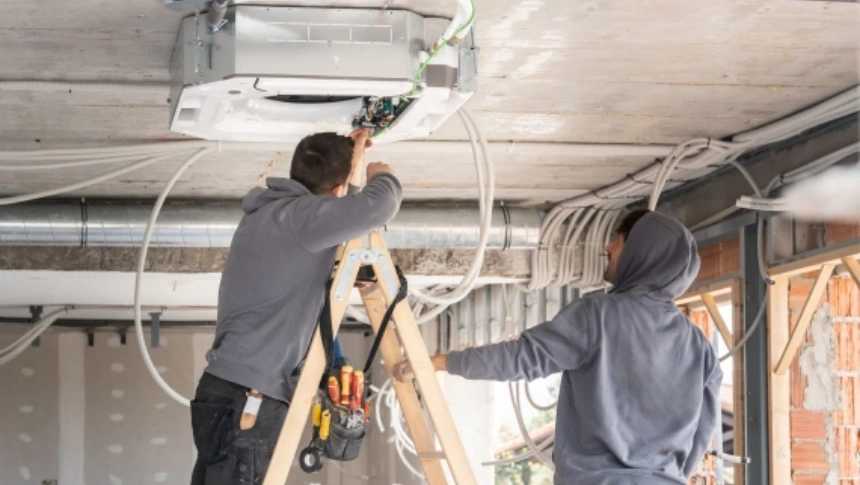
If you’re planning to improve your indoor environment, it’s worth exploring the right ventilation approach for your space. For proper guidance and installation that actually works, contact for expert help and get it done the right way.