
Walk into your home and something just feels off. The air feels heavy, windows get foggy, and there’s that slight smell you can’t really explain. Most people think it’s just humidity or weather, but it usually comes down to poor airflow.
Here’s what matters. Once air stops moving properly, everything starts building up inside your home. The good part is, fixing it isn’t as complicated as it sounds. With the right ventilation setup, your home can start feeling fresh, dry, and comfortable again.
What is a Home Ventilation System?
Most people don’t think about the air inside their home until it starts feeling heavy or uncomfortable. You can’t see it, but over time, moisture, dust, and stale air quietly build up in the background.
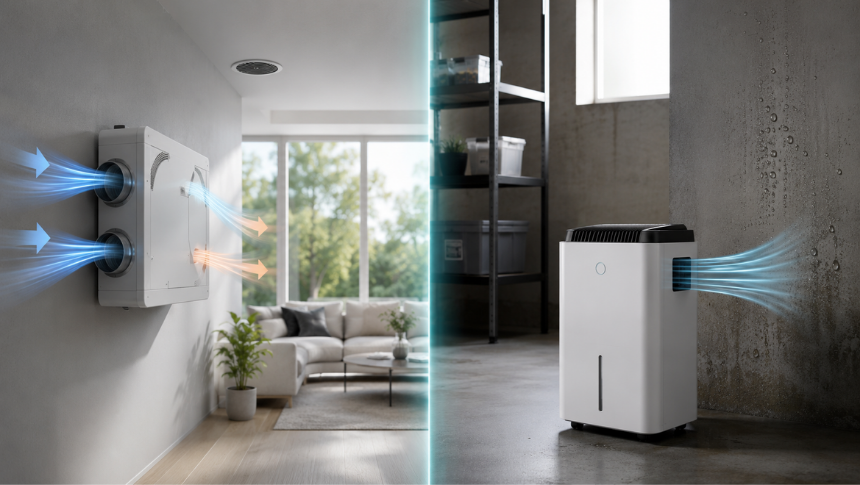
A home ventilation system simply keeps the air moving the way it should. It pushes out the used air and brings in fresh air from outside, so your home doesn’t feel closed or damp. When it’s working right, you don’t notice it at all, you just feel the difference. If you’re looking for a complete solution, choosing the right home ventilation system can make a noticeable difference in how your home feels every day.
Why Proper Ventilation Matters in Your Home
Most people don’t think about airflow until something starts going wrong. Maybe you notice water droplets on your windows in the morning, or a damp smell that doesn’t go away no matter how much you clean. That’s usually the first sign your home isn’t breathing properly.
- Moisture Control: Excess humidity is what leads to damp walls and condensation. Proper ventilation keeps that under control so your home stays dry.
- Mold Prevention: Mold doesn’t appear overnight. It builds up in corners, behind furniture, and inside walls. Good airflow stops that from happening in the first place.
- Better Air Quality: Dust, allergens, and indoor pollutants get trapped inside closed spaces. Ventilation pushes them out and brings in cleaner air.
- Improved Comfort: You might not notice it immediately, but fresh air changes how your home feels. It’s easier to relax and breathe when the air isn’t heavy.
- Home Protection: Moisture doesn’t just affect comfort, it slowly damages paint, wood, and even the structure of your house.
When ventilation is done right, you don’t have to keep fixing the same problems again and again. Your home stays fresh, dry, and much easier to maintain.
Types of Home Ventilation Systems
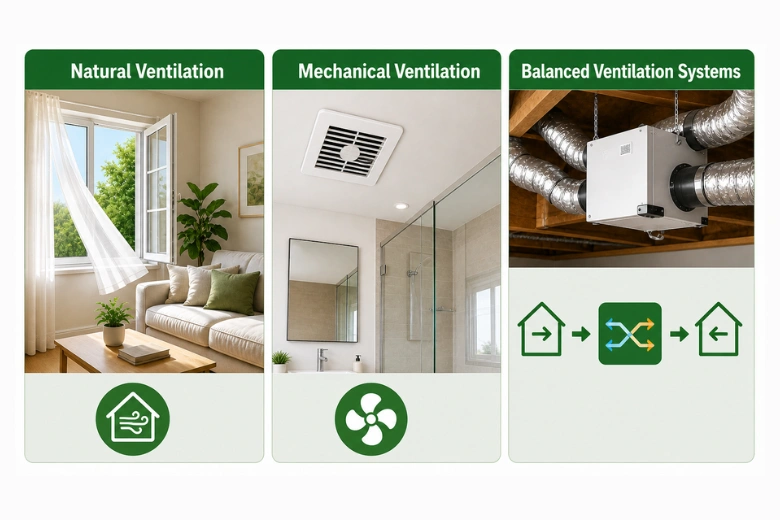
Most people just pick a system because someone suggested it or because it sounds “advanced.” That’s usually a mistake. The right choice depends on how your home is built and what kind of airflow problems you’re dealing with.
Here’s what actually matters. You don’t need the most expensive option, you need the one that fits your home properly. Let’s break it down clearly.
Natural Ventilation
This is the simplest form of ventilation. Air moves in and out through windows, doors, and small openings without any mechanical support.
In homes where windows are placed on opposite sides, air flows naturally and keeps things fresh. Older homes were designed this way, so they often rely on it without any issues.
But this is where people misunderstand it. Just opening windows doesn’t mean your home is properly ventilated. If there’s no strong airflow path, stale air and moisture still stay inside.
Good for: Homes with open layouts and proper window placement where air can move freely.
Limitations: It depends completely on outside conditions. On still days or in extreme weather, it doesn’t work effectively. In modern sealed homes, it often fails to control humidity.
Mechanical Ventilation
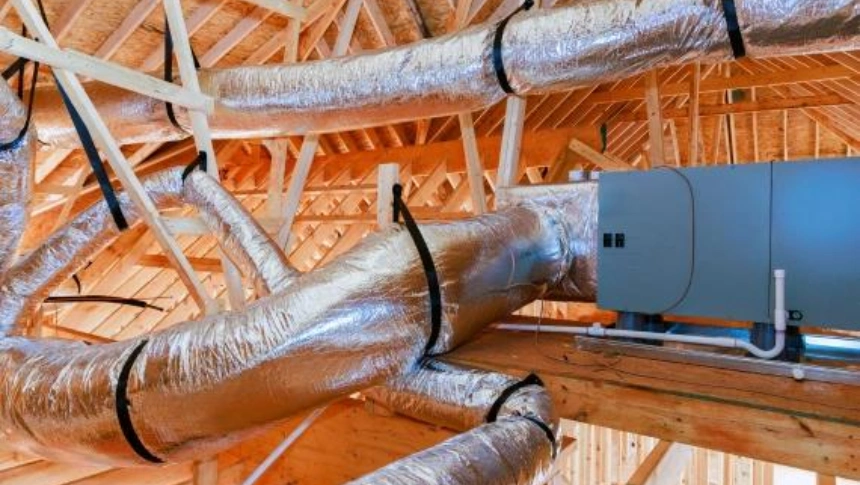
This is where things become more reliable. Instead of depending on natural airflow, this system uses fans and ducts to move air in and out of your home.
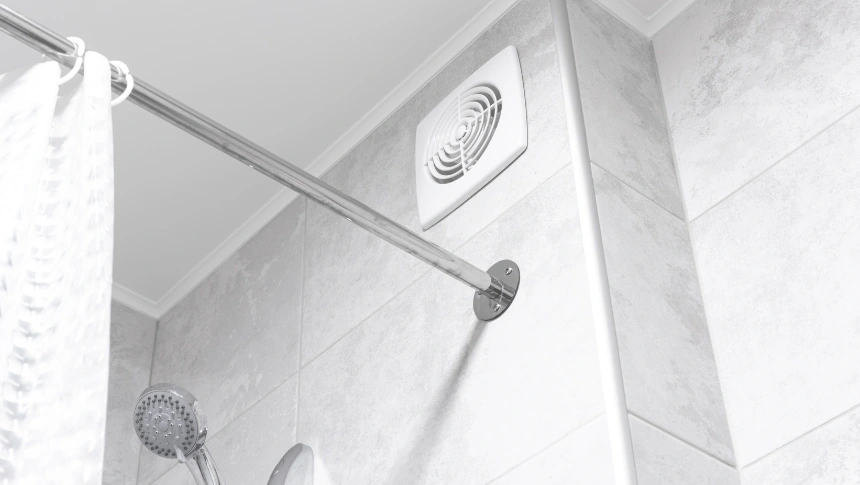
You’ve probably already seen basic examples like exhaust fans in bathrooms and kitchens. These remove moisture, smoke, and odors directly from the source.
More advanced setups go a step further by bringing fresh air inside while pushing stale air out. This creates a consistent airflow that doesn’t depend on weather or open windows.
Why it works better: You get control. Air moves when and where it’s needed, not when the weather allows it.
What to expect: It handles moisture much better than natural ventilation and keeps indoor air cleaner. But it needs proper installation to work efficiently.
Balanced Ventilation Systems
This is a more complete solution and works differently from the other two. Instead of just removing or bringing in air, it does both at the same time in a controlled way.
Fresh air comes in while stale air goes out in equal amounts. This keeps pressure balanced inside your home, so no room feels stuffy or isolated.
Some systems also recover heat from the outgoing air and transfer it to the incoming air. That means you don’t lose warmth while ventilating, which is a big advantage in colder conditions.
Why people choose this: It gives consistent airflow across the entire home, not just specific areas.
Where it makes the most sense: Modern homes that are tightly sealed, or homes where you want a long-term solution without constant adjustments.
At the end of the day, there’s no “best” system for everyone. Natural ventilation is simple but limited. Mechanical systems give better control. Balanced systems offer the most complete solution but require a higher investment.
What actually matters is choosing something that solves your problem properly instead of just adding another feature to your home.
Key Factors to Consider Before Choosing a Ventilation System
A lot of people jump straight to buying a system without really thinking about what their home actually needs. That’s where things go wrong. The result is either poor airflow or a system that feels like a waste of money.
Here’s what actually matters when you’re making the right choice.
Home Size and Layout
The size of your home plays a bigger role than most people think. A small unit might work fine in one area but completely fail to circulate air across a larger space.
If your home has multiple rooms, closed spaces, or different levels, airflow needs to be evenly distributed. Otherwise, some areas will still feel stuffy no matter what system you install.
Climate Conditions
Your location matters more than the system itself. What works in one climate may not work in another.
In humid areas, the main goal is to remove excess moisture before it turns into dampness or mold. In colder regions, you need a system that can bring in fresh air without making your home feel cold.
Choosing without considering climate usually leads to discomfort later.
Energy Efficiency
This is where people either save money or keep spending more every month. A poorly chosen system can increase your energy bills without giving proper results.
An efficient setup keeps air moving without overworking the system. It helps maintain comfort while using less power, which makes a noticeable difference over time.
Noise Levels
Some systems can be louder than expected, especially if they’re not designed well or installed properly.
It might not seem like a big deal at first, but constant noise in the background can get annoying. A quieter system keeps things comfortable without disturbing your daily routine.
Maintenance Needs
Every system needs maintenance, but some are easier to manage than others.
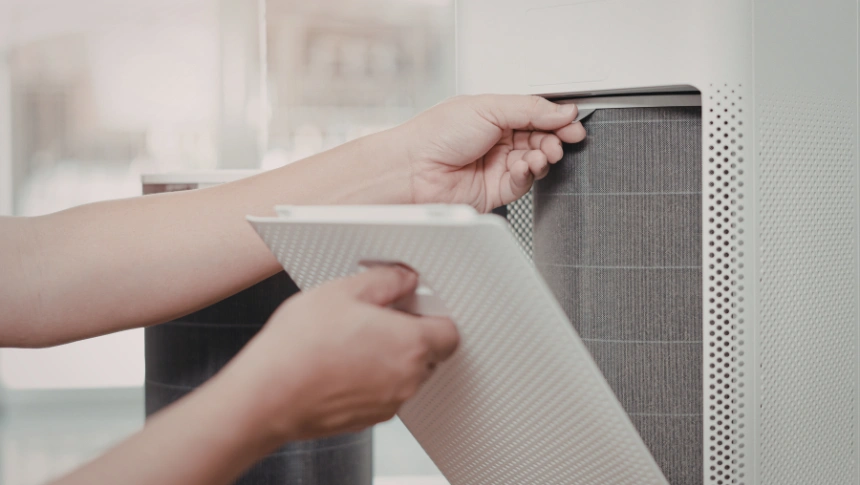
If cleaning and servicing are complicated, chances are it will be ignored over time. That’s when performance starts dropping. A system that’s easy to maintain will last longer and work better without constant issues.
When you look at these factors properly, the decision becomes much clearer. Instead of guessing, you’re choosing something that actually fits your home and solves the problem for good.
Signs Your Home Needs Better Ventilation
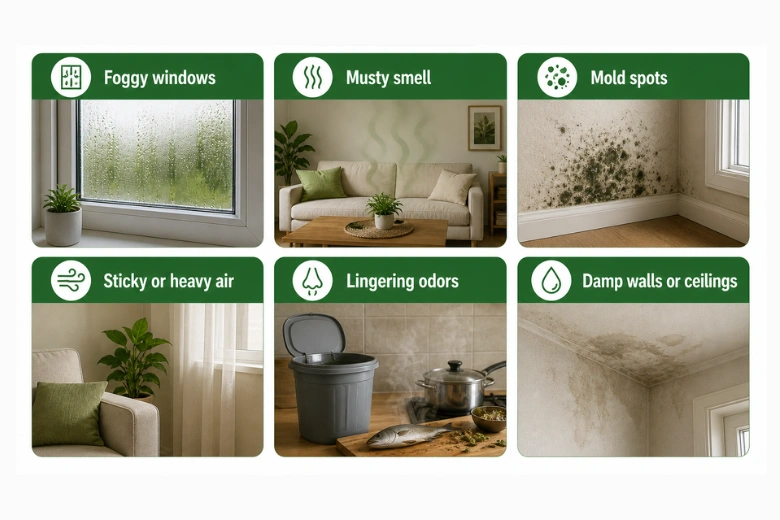
Here’s the thing. If your home doesn’t feel fresh, there’s usually a reason behind it. You just need to catch it early before it turns into a bigger issue.
- Foggy windows: If you see condensation on windows, especially in the morning, it means moisture is getting trapped inside.
- Musty smell: That damp, slightly unpleasant smell is a clear sign that stale air isn’t moving out properly.
- Mold spots: Small black or green patches on walls, ceilings, or corners usually start because of excess moisture.
- Sticky or heavy air: If your home feels humid or uncomfortable even with fans running, airflow is likely poor.
- Lingering odors: Cooking smells or indoor odors staying for hours means air isn’t circulating the way it should.
- Damp walls or ceilings: Paint peeling or walls feeling slightly wet is often linked to trapped moisture.
If you notice even a couple of these signs, it’s worth paying attention. These issues don’t fix themselves, they usually get worse over time if airflow isn’t improved.
How Ventilation Works with Heating Systems
Most people think heating alone will make their home comfortable. But if air isn’t moving properly, even a good system won’t feel effective.
- Even Heat Distribution: Ventilation helps spread warm air across all rooms instead of letting it stay in one place.
- Removes Stale Air: Heating alone doesn’t clear out old air. Ventilation keeps the air fresh while maintaining warmth.
- Balanced Indoor Comfort: It prevents hot and cold spots, so your home feels consistent everywhere.
- Better Energy Use: When air moves properly, your heating system doesn’t have to work as hard.
- Works Well with Modern Systems: Setups like hot water heat pump installation perform better when airflow is properly managed.
When both systems support each other, your home feels more comfortable without constantly adjusting temperature.
Common Mistakes to Avoid
A lot of people spend money on ventilation and still don’t see results. Not because the system is bad, but because of small mistakes made during selection or installation.
Here’s where most people go wrong:
- Wrong System Size: Choosing a system that’s too small or too powerful for your home leads to poor airflow and uneven results.
- Ignoring Professional Installation: Even a good system won’t work properly if it’s installed incorrectly. This is one of the biggest mistakes.
- Skipping Maintenance: Dust buildup and blocked filters reduce performance over time. If you ignore maintenance, efficiency drops.
- Focusing Only on Price: Going for the cheapest option often leads to higher costs later due to repairs or poor performance.
- Not Considering Home Layout: Installing a system without thinking about room placement and airflow paths results in uneven ventilation.
Avoiding these mistakes is what actually makes the difference. When everything is planned properly, you don’t have to deal with the same issues again and again.
How to Choose the Right Installer
A lot of problems people face later don’t come from the system, they come from who installed it. This is where most people try to save money and end up paying more later.
Here’s the thing. A good installer doesn’t just fit the system and leave. They look at your home properly, understand airflow, and then suggest what actually works.
You’ll notice the difference in how they talk. Instead of pushing one option, they ask questions about your space, your usage, and your problems. That’s usually a good sign.
Experience matters more than anything here. Someone who has worked on different types of homes will know how to handle layouts, airflow issues, and installation challenges without guesswork.
Also, don’t ignore what others are saying. Reviews and past work give you a clear picture of how reliable they are once the job is done.
Get this part right, and everything else becomes easier. The system performs better, lasts longer, and you don’t have to deal with constant fixes later.
Conclusion
If your home still feels stuffy, damp, or uncomfortable, there’s usually a reason behind it. Ignoring it only makes things worse over time. The right ventilation setup doesn’t just fix airflow, it changes how your home feels every day. What matters is choosing something that actually fits your space, not just what sounds good. Once airflow is sorted, you’ll notice cleaner air, less moisture, and a more balanced indoor environment without constant effort.
If you’re thinking about improving your airflow, it’s worth exploring the right home ventilation system for your needs. For proper guidance and installation that actually works, contact for expert help and get it done the right way.