
Many homeowners notice that a large part of their electricity bill comes from heating water. Daily activities like showering, washing dishes, and cleaning require hot water, and traditional systems can consume a lot of energy.
Choosing the right water heating system can make a big difference in both comfort and cost. This is why many people compare hot water heat pumps and electric water heaters to find the most efficient option for their home.
What Is a Hot Water Heat Pump
Before comparing the systems, it is important to understand how a hot water heat pump works. Many people are not familiar with this technology but it is becoming increasingly popular.
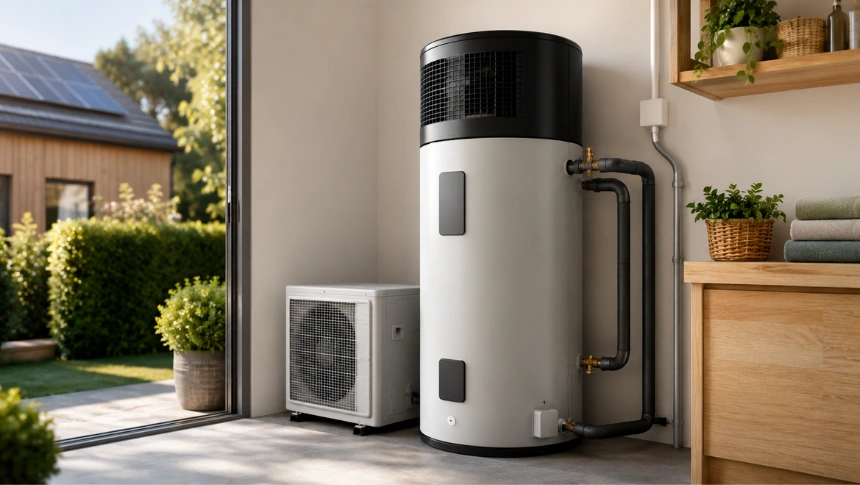
A hot water heat pump uses heat from the surrounding air to warm water instead of generating heat directly. It works by transferring heat using a refrigerant and compressor system, similar to how an air conditioner operates.
This method uses less electricity compared to traditional systems. As a result, it is known for being energy efficient and cost effective in the long term.
What Is an Electric Water Heater
An electric water heater is one of the most common systems used in homes. It is simple in design and has been widely used for many years.
This system uses an electric heating element inside the tank to heat water directly. When the water temperature drops, the element turns on and heats the water again.
While it is easy to install and operate, it consumes more electricity because it generates heat directly. This can lead to higher energy costs over time.
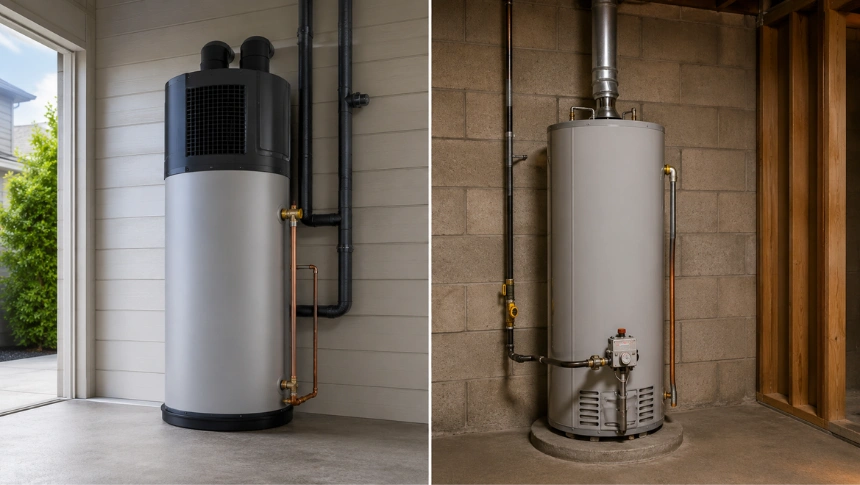
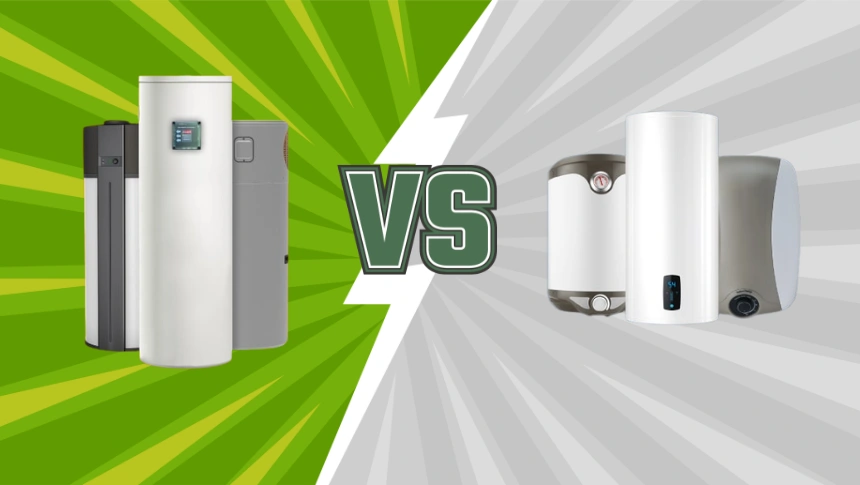
Hot Water Heat Pump vs Electric Water Heater Overview
Understanding the basic differences between these two systems helps simplify the decision making process. Each system has its own advantages depending on your needs.
| Feature | Heat Pump Water Heater | Electric Water Heater |
|---|---|---|
| Energy Usage | Low | High |
| Heating Efficiency | High | Moderate |
| Upfront Cost | Higher | Lower |
| Running Cost | Lower | Higher |
| Environmental Impact | Low | Higher |
This comparison shows that both systems serve the same purpose but perform differently. Choosing the right one depends on your budget and long term goals.
Key Differences Explained
Understanding the differences between both systems helps you make a better decision. Each system performs differently based on efficiency, cost, and long term value.
Breaking them down separately makes it easier to compare. This helps you choose the right option based on your needs.
Heat Pump Water Heater
Energy Efficiency
- Uses heat from surrounding air instead of generating it directly.
- This results in lower electricity consumption and higher efficiency.
Running Cost
- Consumes less energy, which helps reduce monthly electricity bills.
- More cost effective over the long term.
Installation
- Requires proper space and airflow for efficient operation.
- Installation is slightly more complex and needs planning.
Performance
- Provides consistent hot water with better efficiency.
- Works best in environments with adequate airflow.
Lifespan
- Typically lasts longer with proper maintenance.
- Durable system designed for long term use.
Electric Water Heater
Energy Efficiency
- Generates heat directly using an electric element.
- This results in higher energy consumption.
Energy Efficiency
- Generates heat directly using an electric element.
- This results in higher energy consumption.
Installation
- Easy and quick to install in most homes.
- Requires minimal setup compared to heat pumps.
Performance
- Provides reliable hot water but uses more energy.
- Efficiency may decrease with high usage.
Lifespan
- Usually has a shorter lifespan compared to heat pumps.
- May require replacement sooner.
Understanding these differences helps you make a better decision. Choosing the right system depends on both short term needs and long term benefits.
Which One Is More Energy Efficient
Energy efficiency is one of the most important factors when choosing a water heating system. Understanding how each system uses energy helps homeowners make a smarter decision.
Both systems work differently, which directly impacts their efficiency and operating cost. Breaking it down into simple points makes the comparison easier to understand.
- Heat Pump Uses Heat Transfer: Heat pump water heaters transfer heat from the surrounding air. This process requires less electricity compared to generating heat.
- Electric Heater Generates Heat Directly: Electric water heaters use heating elements to produce heat. This consumes more electricity for the same output.
- Lower Energy Consumption with Heat Pump: Heat pumps deliver more heat using less power. This results in better overall efficiency.
- Higher Energy Usage in Electric Systems: Electric heaters rely completely on electricity. This increases energy consumption and operating cost.
- Efficiency Impacts Long Term Savings: Higher efficiency leads to reduced electricity bills over time. Lower efficiency results in higher ongoing expenses.
Choosing a more efficient system helps reduce energy consumption and costs. Heat pump water heaters are generally the better option for long term energy savings and performance.
Pros and Cons of Each System
Every system has its advantages and limitations. Comparing them side by side makes it easier to choose.
Heat Pump Water Heater Pros
- Lower energy consumption
- Reduced electricity bills
- Environmentally friendly
- Longer lifespan
Heat Pump Water Heater Cons
- Higher initial cost
- Requires proper installation space
Electric Water Heater Pros
- Lower upfront cost
- Easy installation
- Simple operation
Electric Water Heater Cons
- Higher energy consumption
- Increased running cost
- Lower efficiency
Weighing these pros and cons helps you make an informed decision. The right choice depends on your priorities and budget.
Which One Should You Choose
Choosing between these two systems depends on your household needs and long term plans. There is no one size fits all answer.
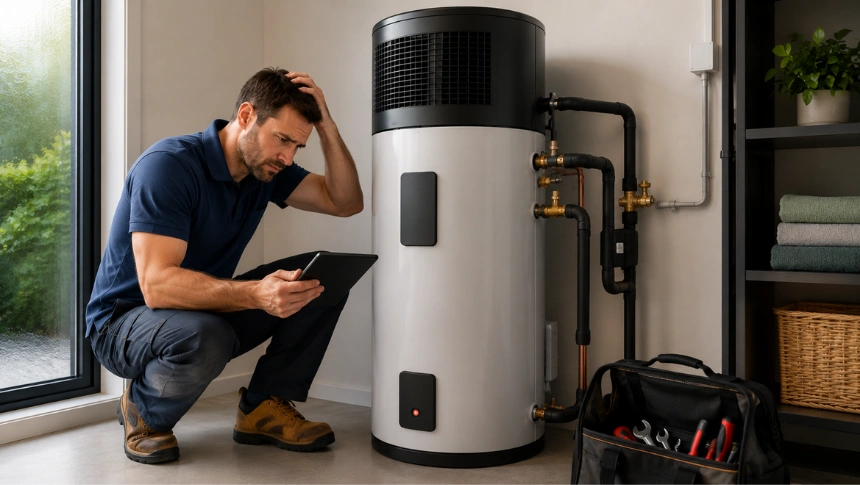
If you are looking for a lower initial cost and simple setup, an electric water heater may be suitable. However, if you want to save on energy bills and invest in long term efficiency, a heat pump system is a better option. Choosing professional hot water heat pump installation ensures the system is set up correctly for maximum performance and efficiency.
Making the right choice improves comfort and reduces costs. It also ensures your system meets your household needs effectively.
Conclusion
Hot water heat pumps and electric water heaters both serve the same purpose, but they differ significantly in efficiency, cost, and performance. While electric heaters are easier to install, heat pumps provide better long term savings and energy efficiency.
If you are planning to upgrade your water heating system, choosing the right option is essential for both comfort and cost savings. Contact us today for expert advice and professional support to select the best hot water solution for your home.