
If your bathroom mirror stays foggy long after a shower or you notice a damp smell that never goes away, it’s a sign of poor ventilation. Many homes in New Zealand face this issue, leading to mould growth, peeling paint, and damage over time. What starts as a small problem can slowly affect your home’s condition and even your health.
Bathrooms produce a lot of moisture quickly, and without proper airflow, it gets trapped inside. This guide will help you understand bathroom ventilation requirements in NZ, how to manage moisture effectively, and simple ways to prevent long term damage before it becomes costly.
What Are Bathroom Ventilation Requirements in NZ?
Bathrooms produce a large amount of moisture in a very short time, especially during hot showers. In many New Zealand homes, this moisture gets trapped because windows are closed or airflow is limited. Over time, this leads to condensation on walls and ceilings, mould growth, and a damp environment that affects both your home and your health.
To prevent these problems, bathroom ventilation in NZ is not just recommended, it is expected as part of a healthy home. Every bathroom must have a way to remove moist air and allow fresh air to enter. This can be done through natural ventilation like windows or mechanical systems such as extractor fans, depending on the layout of the home.
- Proper Moisture Removal System: Your bathroom must be able to remove steam quickly after use. If moisture stays in the room for too long, it creates the perfect conditions for mould and damage.
- Natural Ventilation (Windows): An openable window can be used, but only if it allows enough airflow to clear moisture effectively. In colder months, windows are often kept closed, which reduces their effectiveness.
- Mechanical Ventilation (Extractor Fans): In most modern homes, extractor fans are the preferred solution as they actively remove humid air, even when windows are closed. They provide more consistent and reliable results.
- Consistent and Effective Airflow: Ventilation should not be occasional. It needs to work regularly to keep humidity levels under control and maintain a dry environment.
- Improved Indoor Air Quality: Good ventilation not only removes moisture but also helps eliminate odours and airborne particles, making your bathroom more comfortable and healthier to use.
Understanding these requirements helps you identify whether your current setup is doing its job properly. A well ventilated bathroom stays dry, prevents long term damage, and creates a much healthier living space.
NZ Building Code for Bathroom Ventilation
In New Zealand, bathroom ventilation is not just about comfort, it is part of the Building Code to ensure homes stay dry and safe. These rules are created to manage moisture effectively and prevent long term damage caused by poor airflow.
The ventilation requirements come under the G4 clause, which focuses on maintaining healthy indoor air. It ensures that every bathroom has a system that can remove steam, reduce humidity, and improve overall air quality inside the home.
- Ventilation Must Remove Moisture at Source: Steam from showers should be removed as quickly as possible. If moisture lingers, it increases the risk of mould and structural damage.
- Windows Alone May Not Be Enough: While a window can provide natural airflow, it only works when opened and when outside conditions allow proper air movement.
- Extractor Fans Are Commonly Required: In bathrooms without effective natural ventilation, an extractor fan becomes necessary to meet compliance and ensure consistent airflow.
- System Should Work Efficiently: The ventilation setup must be strong enough to clear steam within a reasonable time, not just circulate air.
- Focus on Long Term Protection: These rules are designed to protect both your home and your health by keeping moisture levels under control.
Understanding the NZ Building Code helps you know whether your bathroom meets the required standards. A compliant system not only avoids issues but also ensures a healthier and more comfortable living environment.
Minimum Airflow Requirements for Bathrooms
Many homeowners think that installing a fan or opening a window is enough, but the real issue is whether the airflow is actually doing its job. If steam stays in your bathroom for too long, it means the ventilation is not strong enough to handle the moisture being produced.
Airflow is what decides how quickly your bathroom can return to a dry and comfortable state after use. Without the right level of airflow, moisture settles on surfaces and slowly creates long term problems.
Why Airflow Strength Matters
When airflow is too low, moisture does not get removed properly. It stays trapped on ceilings, tiles, and corners, creating the perfect conditions for mould and dampness to develop. Over time, this leads to visible damage and unhealthy air inside your home.
A properly ventilated bathroom should feel fresh within minutes after a shower. If you still see foggy mirrors or wet surfaces after a long time, your airflow is not meeting the required level.
How to Know If Your Airflow Is Enough
A simple way to check is by observing how quickly steam clears. If your fan struggles to remove humidity or takes too long, it may be underpowered for your bathroom size. Many systems are installed without considering the actual space, which results in poor performance.
Choosing the right fan capacity and ensuring proper installation plays a big role in maintaining effective airflow. It is not just about having ventilation, but having the right level of ventilation.
The Impact of Proper Airflow
When airflow is balanced and effective, your bathroom stays dry, clean, and easy to maintain. It prevents condensation, reduces the chances of mould, and improves the overall air quality in your home.
Good airflow is not just a technical requirement, it is what keeps your bathroom healthy and free from ongoing moisture problems.
Types of Bathroom Ventilation Systems
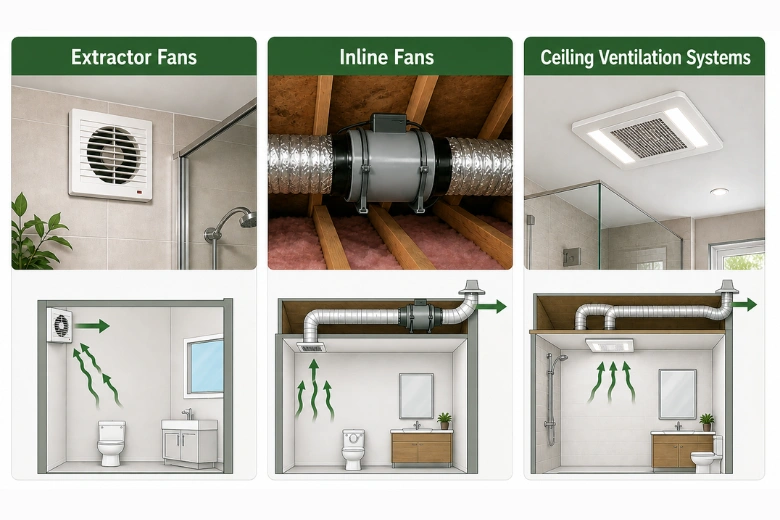
Not all bathrooms need the same type of ventilation. The right system depends on your bathroom size, layout, and how much moisture is being generated daily. Choosing the correct option makes a big difference in how effectively steam and humidity are removed.
Some systems are simple and budget friendly, while others are more advanced and designed for better performance. Understanding the different types helps you make the right decision for your home.
Extractor Fans
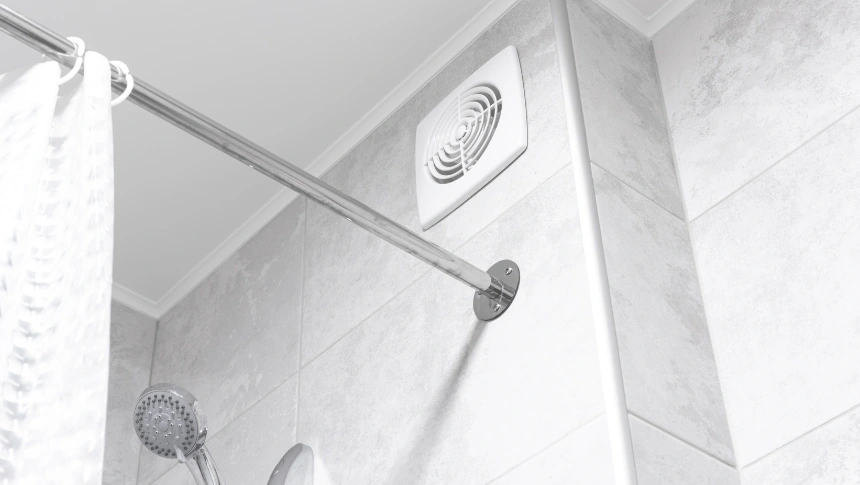
- Extractor fans are the most common and widely used solution in NZ homes. They are installed on the ceiling or wall and directly remove moist air from the bathroom.
- They are ideal for small to medium bathrooms and work well when properly sized and installed. A good quality extractor fan can quickly clear steam and keep humidity levels under control.
Inline Fans
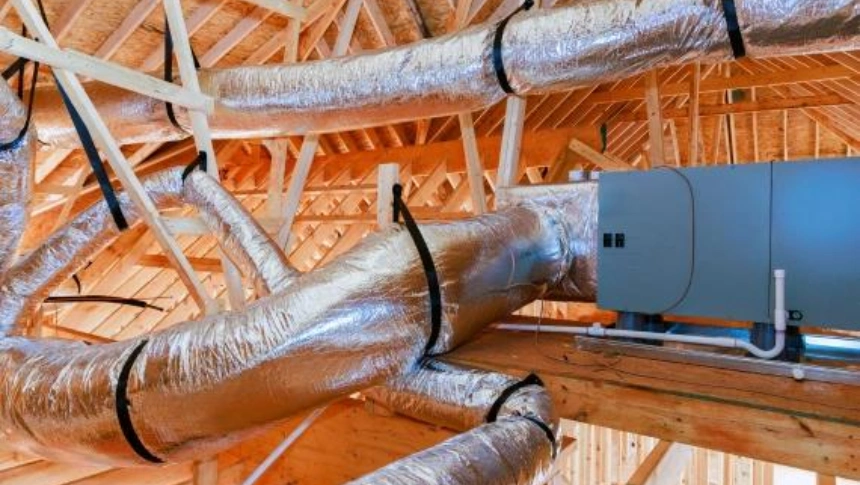
- Inline fans are installed within the ducting rather than directly in the ceiling. They are more powerful and quieter compared to standard extractor fans.
- These are suitable for larger bathrooms or homes where noise reduction is important. They provide stronger airflow and are more effective in removing moisture over longer distances.
Ceiling Ventilation Systems
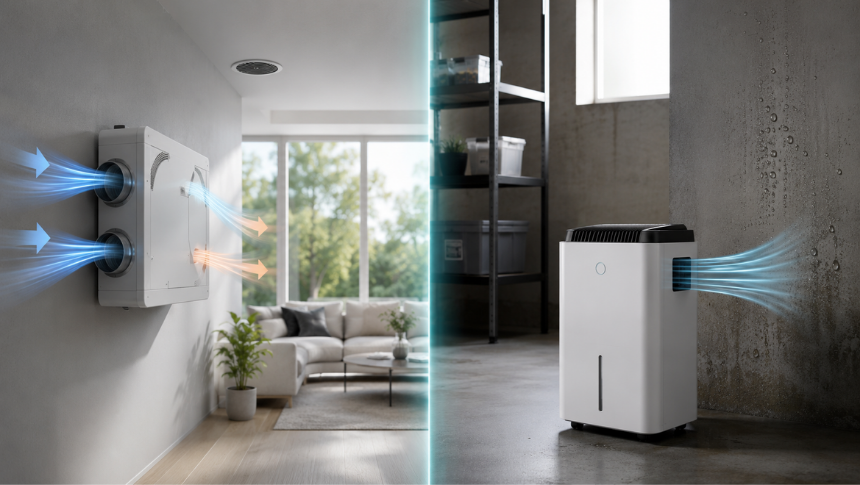
- Ceiling ventilation systems work by circulating air through the roof space and redistributing it inside the home. They are often used to improve overall air quality, not just in bathrooms.
- While they can help reduce moisture, they are usually more effective when combined with dedicated extraction systems. On their own, they may not always remove steam quickly enough from bathrooms.
Choosing the right ventilation system ensures your bathroom stays dry, fresh, and free from moisture related issues. The key is to select a solution that matches your space and provides consistent airflow.
Common Bathroom Ventilation Problems
Many homeowners start noticing small signs but ignore them until the problem becomes serious. Poor ventilation allows moisture to build up daily, leading to damage and unhealthy air inside the bathroom.
Recognising these issues early can help you fix them before they turn into costly repairs.
Condensation That Stays Too Long: Mirrors, windows, or tiles remain foggy and wet even after some time, showing moisture is not being removed properly.
Mould Growth in Corners or Ceilings: Black spots or patches appear in corners, on ceilings, or around tiles due to constant humidity.
Damp or Musty Smell: A lingering unpleasant smell indicates trapped moisture and poor airflow.
Peeling Paint or Wall Damage: Paint starts to bubble or peel, and surfaces may weaken due to ongoing moisture exposure.
Slow or Weak Fan Performance: If your extractor fan takes too long to clear steam, it may not be powerful enough or working efficiently.
Ignoring these signs can lead to bigger problems like structural damage and poor indoor air quality. Fixing ventilation early keeps your bathroom dry, clean, and comfortable.
How to Improve Bathroom Ventilation
If your bathroom feels damp or takes too long to dry after a shower, it does not always mean you need a full upgrade. In many cases, simple improvements can make a noticeable difference in how moisture is managed.
The goal is to improve airflow so that steam is removed quickly and your bathroom stays dry, fresh, and comfortable after every use.
Upgrade to a More Powerful Extractor Fan: If your current fan is weak, replacing it with a higher capacity model can significantly improve moisture removal.
Use a Timer or Humidity Sensor: Letting the fan run for longer after a shower helps clear remaining moisture. Sensors can automate this process for better efficiency.
Keep Windows and Doors Open When Possible: Allowing fresh air to enter helps improve airflow and supports faster drying, especially during and after showers.
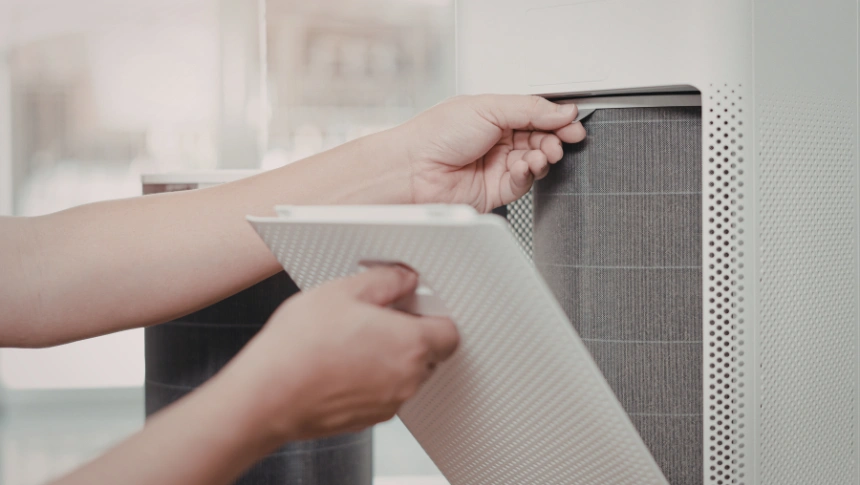
Clean and Maintain Your Fan Regularly: Dust and dirt can reduce fan performance. Regular cleaning ensures it works at full capacity.
Check Ducting and Airflow Path: Blocked or poorly installed ducts can reduce efficiency. Ensuring proper airflow paths improves overall ventilation.
Small changes like these can greatly reduce moisture buildup and prevent long term issues. A well ventilated bathroom not only protects your space but also improves everyday comfort.
Bathroom Ventilation Tips for Auckland Homes
Auckland’s climate brings higher humidity, which means moisture tends to stay longer inside bathrooms compared to other regions. Even with a basic ventilation setup, you may still notice dampness if airflow is not managed properly.
To deal with these conditions, it is important to focus on how your ventilation performs daily, not just what system you have installed.
What You Should Focus On
Start by observing how your bathroom behaves after a shower. If steam takes too long to clear or surfaces stay wet, your current setup may need adjustment. Running your fan for a longer duration helps remove excess moisture that lingers in humid weather.
Another important factor is airflow movement. Bathrooms that stay closed trap moisture inside, so allowing some level of air circulation improves drying time. Even small changes like keeping the door slightly open can make a difference.
You should also consider how reliable your system is. In Auckland conditions, using a stronger fan or adding a humidity sensor ensures that ventilation works when it is actually needed, not just when you remember to switch it on.
Why These Tips Matter
Managing ventilation properly in a humid environment helps prevent ongoing issues like mould, damp smells, and surface damage. It also keeps your bathroom feeling fresh and more comfortable to use every day.
With the right habits and a well performing system, you can handle Auckland’s moisture challenges and maintain a healthier home environment.
When to Consider Professional Help
Sometimes, even after trying basic fixes, moisture and ventilation issues keep coming back. This usually means the problem is deeper than just surface-level airflow and needs proper assessment.
In such cases, getting professional help can save you from ongoing damage and repeated temporary solutions.
- Mould Keeps Returning: Even after cleaning, mould comes back quickly, showing that moisture is still trapped inside the space.
- Fan Is Running but Not Effective: Your extractor fan is working, but steam takes too long to clear or the bathroom still feels damp.
- Strong Damp or Musty Smell: A constant smell indicates poor airflow and hidden moisture buildup behind walls or ceilings.
- Visible Damage to Walls or Ceiling: Peeling paint, stains, or soft surfaces are signs that moisture has been affecting your bathroom for a long time.
Why Professional Help Matters
Professionals can properly assess your bathroom layout, airflow, and moisture levels to find the exact issue. Instead of temporary fixes, they provide long term solutions that actually solve the problem.
If you are facing ongoing ventilation issues, it may be the right time to consider a proper Ventilation System installation designed specifically for your home. A well planned solution ensures effective airflow, prevents future damage, and keeps your bathroom healthy and comfortable.
Conclusion
Bathroom ventilation is more than just removing steam, it plays a key role in protecting your home from moisture damage and maintaining healthy indoor air. When ventilation is not working properly, problems like mould, damp smells, and surface damage can slowly build up and become expensive to fix. Taking action early helps you avoid these long term issues and keeps your bathroom in good condition.
If you are noticing signs of poor airflow or ongoing moisture problems, it is important to address them before they get worse. The right solution can improve comfort, hygiene, and overall air quality in your home. Contact Us for consultation and get expert advice to ensure your bathroom stays dry, fresh, and properly ventilated.