
Rising electricity bills are becoming a serious concern for many households. A large portion of that energy cost often comes from heating water for daily activities like bathing, cleaning, and washing dishes.
Many homeowners are now looking for efficient alternatives that reduce power consumption without sacrificing comfort. A hot water heat pump is becoming a popular solution because it uses surrounding air to heat water more efficiently than traditional electric heaters.
This guide explains how heat pump water heaters work and what homeowners should know before installing one. Understanding the process helps you make a confident decision for your home.
What Is a Hot Water Heat Pump
Before learning about the installation process, it is important to understand what a hot water heat pump actually is. Many people assume it works like a normal electric water heater, but the technology is different.
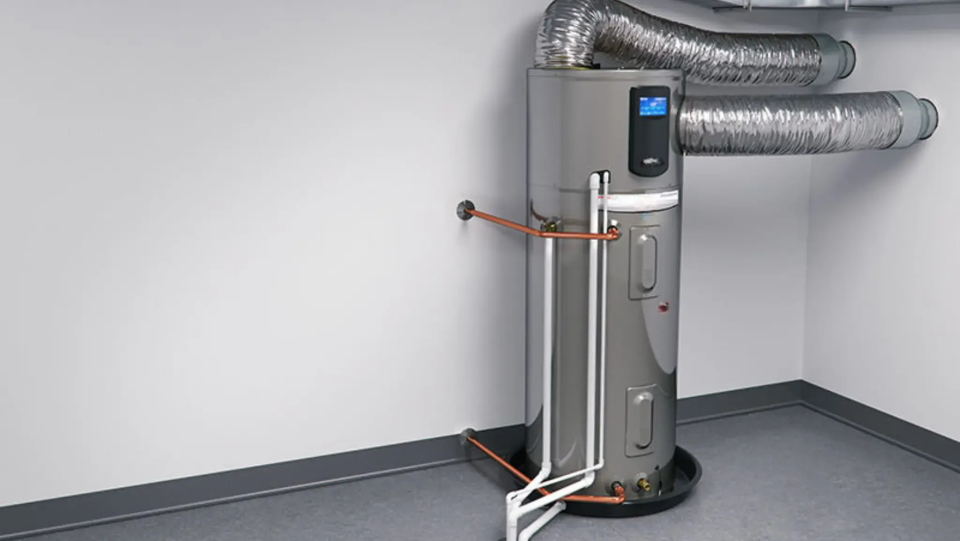
A hot water heat pump uses heat from the surrounding air to warm water stored in a tank. Instead of generating heat directly, it transfers heat using a refrigeration cycle similar to an air conditioner or refrigerator.
This approach allows the system to use much less electricity compared to traditional heaters. As a result, many households see noticeable energy savings over time.
How a Heat Pump Water Heater Works
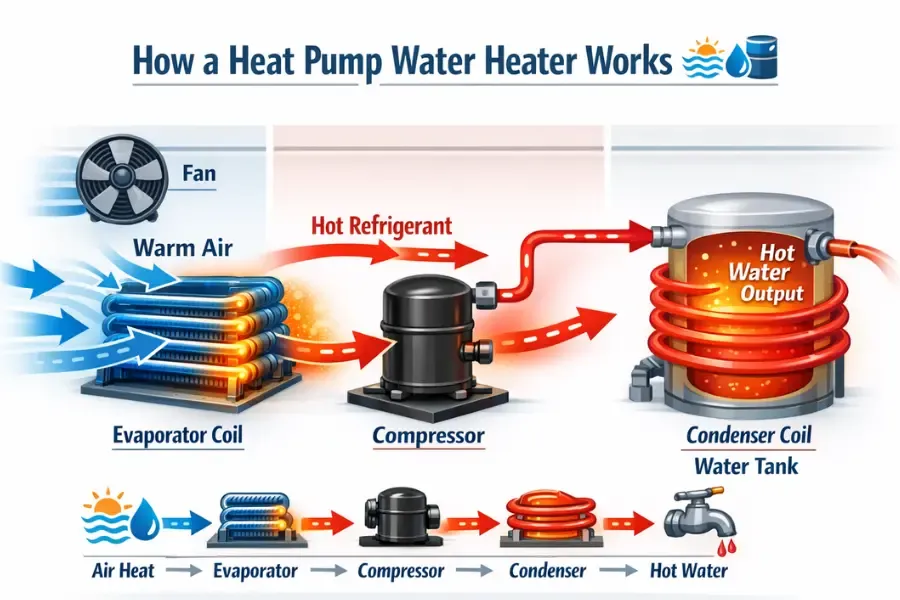
Understanding how the system operates makes the installation process easier to understand. The working principle is based on transferring heat rather than producing it.
The system pulls warm air from the surrounding environment and absorbs that heat through a component called an evaporator coil. A compressor then increases the temperature of that heat and transfers it to the water stored inside the tank.
Because it moves heat instead of generating it directly, the system consumes less energy. This efficiency is the reason heat pump water heaters are considered environmentally friendly.
Main Components of a Heat Pump Water Heater
Understanding the components of a heat pump water heater helps explain why the system is so energy efficient. Each part works together to absorb heat from the air and transfer it into the water tank.
Although the system may look complex at first, it is actually made up of a few key components that perform specific tasks. When these parts operate together, they create a reliable and efficient hot water heating process.
1. Evaporator Coil
The evaporator coil is responsible for absorbing heat from the surrounding air. It contains a refrigerant that captures heat energy when warm air passes over the coil.
As the refrigerant absorbs this heat, it changes from a liquid into a gas. This step begins the heat transfer process that eventually heats the water inside the tank.
2. Compressor
The compressor increases the temperature of the refrigerant gas after it leaves the evaporator coil. It compresses the gas, which raises both its pressure and temperature.
This high temperature gas carries the heat energy needed to warm the water. The compressor plays a crucial role in making the system efficient and effective.
3. Condenser Coil
The condenser coil transfers heat from the refrigerant gas into the water stored in the tank. As the hot refrigerant flows through this coil, it releases heat energy into the water.
During this process, the refrigerant cools down and turns back into a liquid. This allows it to continue circulating through the system for the next heating cycle.
4. Expansion Valve
The expansion valve regulates the flow of refrigerant within the system. It reduces the pressure of the refrigerant before it returns to the evaporator coil.
Lower pressure allows the refrigerant to absorb heat more effectively in the next cycle. This small component helps maintain the efficiency of the entire system.
5. Storage Tank
The storage tank holds the heated water until it is needed in the home. Once the water reaches the desired temperature, it is stored and ready for use in showers, sinks, or appliances.
The tank is usually insulated to keep the water hot for longer periods. This helps reduce energy consumption and ensures a consistent hot water supply.
When all these components work together, the system efficiently transfers heat from the air to the water. This coordinated process allows heat pump water heaters to deliver reliable hot water while using significantly less energy than traditional systems.
Step by Step Installation Process
Installing a heat pump water heater requires proper planning and careful setup. Each stage of the hot water heat pump installation ensures the system operates safely and efficiently for long term use.
Although the process is handled by professionals, understanding the basic steps can help homeowners know what to expect. The installation follows a clear sequence from inspection to final testing.
Step 1: Site Inspection and Planning
The installation process begins with a detailed inspection of the property. Technicians evaluate available space, ventilation, electrical supply, and plumbing connections.
This step helps determine the best location for the system. Proper planning ensures the unit will operate efficiently once installed.
Step 2: Selecting the Installation Location
After inspection, the correct location for the heat pump water heater is selected. The system is usually placed in areas with sufficient airflow such as garages, utility rooms, or outdoor spaces.
Adequate ventilation allows the heat pump to absorb heat from the surrounding air. Choosing the right location helps improve overall system performance.
Step 3: Positioning and Mounting the Unit
Once the location is finalized, the water heater unit is carefully positioned and secured. The system must be installed on a stable surface that can support its weight.
Technicians ensure the unit is level and properly aligned. Correct placement prevents vibration and improves the durability of the system.
Step 4: Connecting Plumbing Lines
After the unit is mounted, the plumbing connections are installed. The cold water inlet and hot water outlet pipes are connected to the system.
Proper sealing and pipe alignment are essential during this step. Correct plumbing connections ensure a reliable and leak free hot water supply.
Step 5: Electrical Wiring and System Setup
The next stage involves connecting the electrical components required for the heat pump system. The unit is wired to the main electrical supply according to safety standards.
Technicians also install control systems and sensors that regulate temperature and operation. Proper electrical setup ensures safe and efficient system performance.
Step 6: Testing and System Commissioning
Once installation is complete, the entire system is tested to confirm everything is working correctly. The technician checks water flow, temperature settings, and overall system operation.
Any adjustments needed are made during this stage. Testing ensures the system delivers reliable hot water before it is fully put into use.
After all steps are completed, the heat pump water heater becomes ready for everyday operation. For homeowners looking for professional assistance, choosing a trusted hot water heat pump installation service ensures the system is installed correctly and performs efficiently for years to come.
Choosing the Right Location
Selecting the right location for the system is an important step before installation begins. The environment around the unit directly affects its performance.
Heat pump water heaters work best in areas with sufficient airflow because they draw heat from the surrounding air. Common installation locations include garages, utility rooms, or outdoor covered areas where ventilation is available.
A suitable location helps the system operate efficiently. Proper airflow also improves long term reliability.
Common Installation Mistakes to Avoid
Understanding the most common errors helps homeowners avoid unnecessary repairs and operational problems. Being aware of these issues ensures the system works properly from the beginning.
1. Installing the Unit in Poorly Ventilated Areas
Heat pump water heaters require good airflow to absorb heat from the surrounding air. Placing the unit in a small enclosed space can limit airflow and reduce efficiency.
2. Choosing the Wrong Tank Size
Selecting a tank that is too small may not meet the household’s hot water demand. On the other hand, an oversized tank can increase energy usage unnecessarily.
3. Improper Electrical Connections
Incorrect wiring or electrical setup can lead to safety risks and system malfunction. Proper electrical installation ensures the unit operates safely and efficiently.
4. Poor Drainage Setup
Heat pump systems produce condensation that must be drained properly. Without correct drainage, water buildup can damage the system or surrounding area.
5. Incorrect Placement of the Unit
Placing the unit in an unsuitable location can affect airflow and heat absorption. Proper positioning ensures the system can capture enough heat from the surrounding air.
Avoiding these common installation mistakes improves overall system efficiency and reliability. Professional installation and proper planning help ensure the heat pump water heater operates smoothly for many years.
Maintenance Tips After Installation
Regular maintenance keeps the system operating efficiently. Even though heat pump water heaters are durable, periodic checks are important.
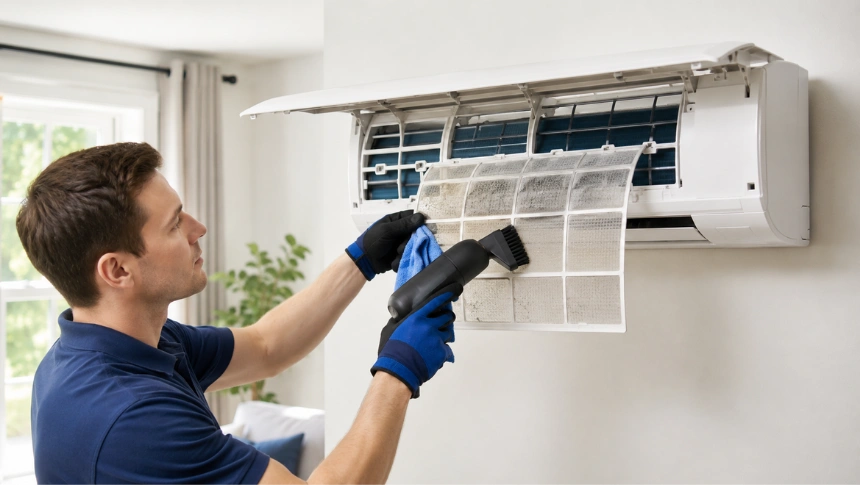
Cleaning air filters helps maintain proper airflow for heat absorption. Checking connections and inspecting the tank ensures the system remains safe and efficient. Annual servicing by a technician can also detect small issues before they become serious problems.
Simple maintenance steps extend the lifespan of the system. Proper care ensures consistent hot water supply and energy efficiency.
Is a Heat Pump Water Heater Worth It
Many homeowners wonder whether upgrading to a heat pump water heater is truly worthwhile. Evaluating both performance and savings helps answer that question.
These systems use significantly less electricity while delivering reliable hot water for daily use. They are also environmentally friendly because they reduce energy consumption and emissions.
For households looking to lower energy bills while using modern technology, heat pump water heaters are often a practical solution. Careful planning and proper installation ensure the system delivers long term value.
Conclusion
A heat pump water heater provides an energy efficient way to heat water by transferring heat from the surrounding air rather than generating it directly. This approach allows households to reduce electricity usage while maintaining a reliable hot water supply.
Understanding the system, installation process, and maintenance requirements helps homeowners make informed decisions. With proper setup and care, a heat pump water heater can provide long lasting performance and meaningful energy savings for many years.