Choosing the right heating and cooling system can feel confusing. Many homeowners struggle to decide between a ducted heat pump and a split system because both claim to be efficient and cost effective. Without clear information, it is easy to feel unsure about which option will truly suit your home.
If you are comparing systems before making a decision, this guide will explain the differences in simple language. By understanding how each system works and what makes them different, you can choose the solution that matches your comfort needs and budget.
What Is a Ducted Heat Pump System
Before comparing both options, it is important to understand what a ducted system actually does. Many people hear the term but are not sure how it functions inside a house.
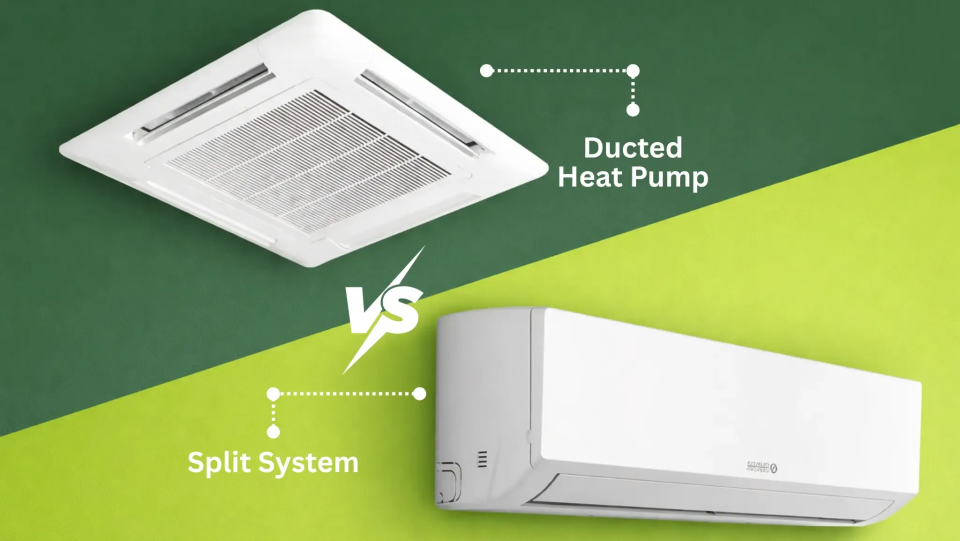
A ducted heat pump system is designed to heat and cool the entire home from one central unit. The indoor unit is usually installed in the ceiling or under the floor, and air is distributed through ducts connected to vents in each room. The system is controlled by a central thermostat, and some setups allow zoning so you can control temperatures in different areas separately.
Because the system is mostly hidden, it offers a clean and modern appearance. It is commonly chosen by families who want consistent comfort throughout every room in the house.
What Is a Split System Heat Pump
Now let us understand how a split system works. This type of system is more common in smaller homes and apartments.
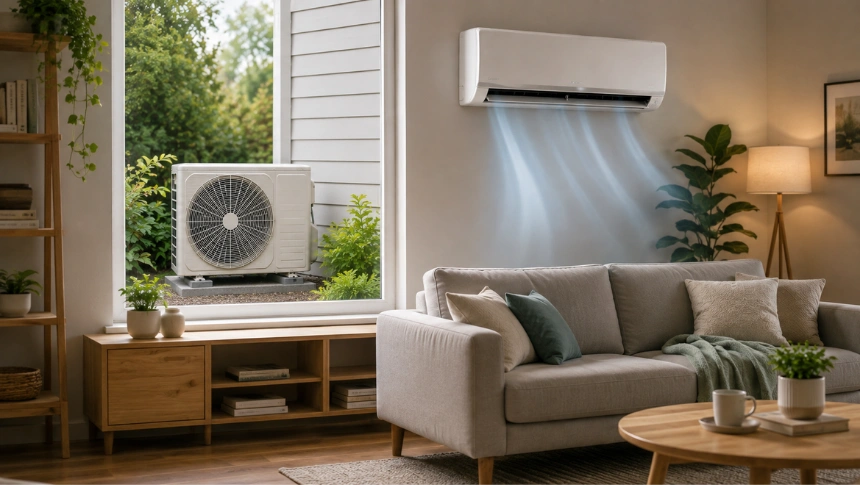
A split system has one indoor wall mounted unit connected to an outdoor unit. It is mainly designed to heat or cool one room or one open space. If you want coverage in multiple rooms, separate indoor units need to be installed in each area. This allows flexibility but may increase the total number of units required.
Split systems are often selected for their simplicity and affordability. They are practical for targeted temperature control rather than whole home coverage.
Understanding the Detailed Comparison Between Both Systems
Before making a final decision, it is important to compare both systems across key factors such as installation, cost, efficiency, and comfort. Understanding these differences will help you choose the system that best suits your home and lifestyle.
Installation Differences
Installation complexity is one of the biggest deciding factors for homeowners. Understanding what each system requires helps you plan properly before making a decision.
Ducted Heat Pump
A ducted system requires space in the ceiling or under the floor to accommodate the indoor unit and ductwork. The installation process involves airflow planning, vent placement, and connecting multiple ducts across rooms. Because of this, it usually takes longer and requires more structural preparation.
Split System
A split system is much simpler to install. It requires mounting the indoor unit on a wall and connecting it to the outdoor unit through a small opening for pipes and wiring. The process is generally completed within a day.
This makes split systems suitable for existing homes without major construction work. Minimal structural modification keeps disruption low.
Key Difference: Ducted systems require more planning and structural space, while split systems are quicker and simpler to install. The choice depends largely on your property layout and renovation plans.
Cost Comparison
Cost is often the first concern when comparing heating systems. Looking beyond just the purchase price helps you understand real value.
Ducted Heat Pump
Ducted systems typically involve higher upfront costs due to equipment, ductwork, and labour. However, one system covers the entire home, which can provide long term convenience and consistent comfort.
Although the initial investment is higher, it may offer better value for larger properties. Whole home coverage reduces the need for multiple units.
Split System
Split systems are more affordable per unit. However, if multiple rooms need heating or cooling, several units may need to be installed, increasing total cost.
For smaller homes, a single unit may be enough. This keeps the budget manageable and installation straightforward.
Key Difference: Ducted systems cost more initially but cover the whole house, while split systems are cheaper upfront but may require multiple units for full coverage.
Energy Efficiency
Energy usage is an important factor for long term savings. Both systems can be efficient when properly maintained.
Ducted Heat Pump
Ducted systems can be very efficient, especially when zoning is included. Zoning allows you to heat or cool only specific areas, reducing unnecessary energy use.
Because air is distributed evenly, temperature control remains stable. Proper insulation of ducts also supports efficiency.
Split System
Split systems are efficient when used in single rooms. However, running several units at the same time may increase overall energy consumption.
They are suitable for targeted heating and cooling. Energy performance depends on usage habits.
Key Difference: Ducted systems offer whole home efficiency with zoning options, while split systems are efficient for individual spaces but may consume more energy when multiple units operate together.
Comfort and Air Distribution
Comfort level depends on how evenly air is distributed. Balanced airflow improves daily living.
Ducted Heat Pump
Ducted systems distribute air evenly across multiple rooms through vents. This creates consistent temperature throughout the house.
Every room receives controlled airflow, reducing hot and cold spots. This makes the environment more stable and comfortable.
Split System
Split systems focus on one room at a time. Rooms without units may remain warmer or cooler depending on the season.
Temperature differences between rooms are more common. Comfort may vary throughout the house.
Key Difference: Ducted systems provide consistent comfort across the whole home, while split systems deliver targeted comfort to specific rooms.
Appearance and Interior Design
Heating systems can affect the overall look of your home. Many homeowners prefer solutions that blend into the interior.
Ducted Heat Pump
Ducted systems are mostly hidden. Only small ceiling or floor vents are visible, maintaining a clean and minimal appearance.
This makes them ideal for modern homes that prioritise aesthetics. There are no visible wall units.
Split System
Split systems are mounted on walls and remain visible at all times. While newer models look sleek, they still occupy wall space.
This may impact interior design preferences. Some homeowners do not mind visible units.
Key Difference: Ducted systems offer a hidden and seamless design, while split systems are clearly visible inside the room.
Maintenance Requirements
All heating systems require regular care to maintain performance. Understanding servicing needs prevents future issues.
Ducted Heat Pump
Ducted systems require periodic inspection to ensure airflow balance and duct integrity. Filters must be cleaned regularly and professional servicing is recommended annually.
Because the system is centralised, servicing is focused on one main unit. Proper maintenance supports long term efficiency.
Split System
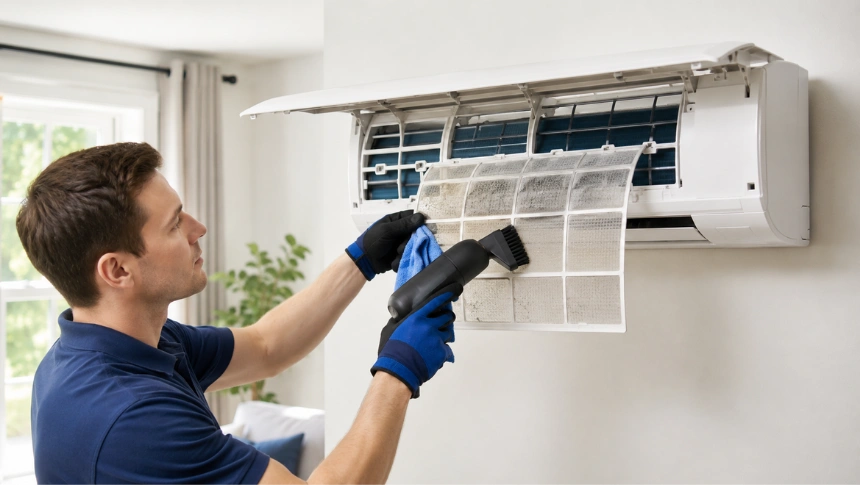
Split systems also require filter cleaning and routine servicing. However, if multiple indoor units are installed, each unit requires maintenance.
More units can mean more servicing points. Regular cleaning keeps performance steady.
Key Difference: Ducted systems centralise maintenance in one system, while split systems may require servicing multiple indoor units.
Quick Comparison of Ducted Heat Pump & Split System
Before making a final decision, it helps to see both systems compared side by side. A clear overview makes it easier to understand which option fits your home size, budget, and comfort expectations.
Comparison Point
Ducted Heat Pump
Split System
Installation Differences
Requires ceiling or underfloor space for ductwork and central unit. Installation is more detailed and may take longer.
Quick wall-mounted installation with minimal structural changes. Usually completed faster.
Cost Comparison
Higher upfront cost due to ductwork and full-home coverage. Better value for large homes.
Lower initial cost per unit. Total cost increases if multiple rooms require separate units.
Energy Efficiency
Can be highly efficient, especially with zoning to control selected areas. Suitable for whole-home use.
Efficient for individual rooms. Running multiple units may increase overall energy use.
Comfort and Air Distribution
Provides even airflow across multiple rooms with consistent temperature control.
Focused airflow in a single room. Temperature may vary between rooms.
Appearance and Interior Design
Mostly hidden system with only ceiling or floor vents visible. Maintains a clean interior look.
Indoor unit is visible on the wall and may impact room aesthetics.
Maintenance Requirements
Centralised system requiring regular filter cleaning and annual professional servicing.
Each indoor unit requires cleaning and servicing, especially in multi-unit setups.
Conclusion
Choosing between a ducted heat pump and a split system ultimately depends on your home layout, budget, and comfort expectations. If you want consistent temperature throughout the entire house with a clean and seamless appearance, a ducted system may be the better long term solution, especially when planned properly during the ducted heat pump installation process. On the other hand, if you are looking for a cost effective option to heat or cool a specific room, a split system can be a practical and efficient choice.
Before making a final decision, consider how many rooms need coverage, your installation flexibility, and your future plans for the property. Evaluating both short term affordability and long term comfort will help you invest in a system that truly suits your lifestyle and delivers reliable performance for years to come.
Related Articles
How to Clean a Wall Mounted Heat Pump: Complete Guide
25th Aug 2026
How Long Should a Heat Pump Run? Is 24/7 Normal?
24th Aug 2026
How to Use a Heat Pump Efficiently: 9 Simple Tips for Homeowners