
Many homeowners use their heat pump every day but have no idea how it actually works. When the house feels too cold in winter or not cool enough in summer, confusion starts. Some people think the unit is broken, while others assume it is using too much electricity. The truth is, most people simply do not understand the basic working principle behind it.
If you have ever wondered how does a heat pump work, this guide will explain everything in simple terms. No technical jargon, no complicated science lessons. Just a clear explanation so you can understand how your system keeps your home comfortable all year round.
What Is a Heat Pump?
Before understanding how it works, you first need to understand what it actually does. Many people believe a heat pump creates heat like a traditional heater. That is not correct.
A heat pump does not create heat. It transfers heat from one place to another. In winter, it takes heat from the outside air and moves it inside your home. In summer, it does the opposite by removing heat from inside your home and releasing it outdoors.
This ability to move heat instead of generating it is what makes heat pumps so energy efficient. Once you understand this basic idea, the rest becomes much easier to follow.
Main Parts of a Heat Pump
To fully understand how does a heat pump work, it helps to know the key parts involved. Each part plays an important role in the system.
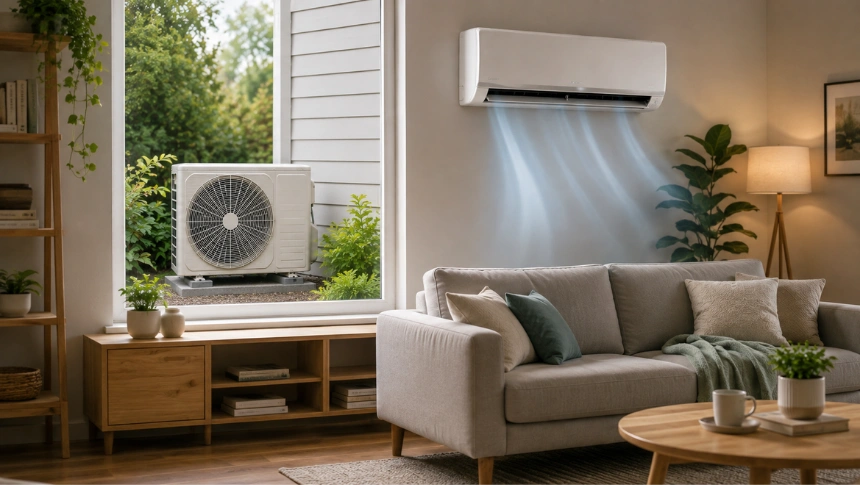
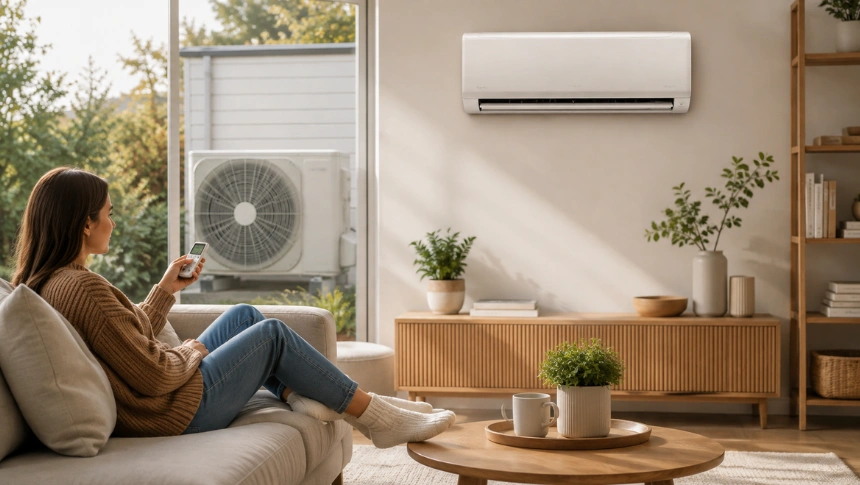
- The first part is the indoor unit. This is the section mounted on your wall or connected to ducts. It blows warm or cool air into your home.
- The second part is the outdoor unit. This sits outside your house and absorbs or releases heat depending on the mode.
- Inside the system, there is something called refrigerant. This is a special liquid that absorbs and releases heat as it moves through the system.
- There is also a compressor. The compressor increases the temperature of the refrigerant by compressing it. This process is what allows the system to deliver warm air inside during winter.
- Finally, there are coils and valves that control the flow and temperature of the refrigerant.
When all these components work together, the heat pump can efficiently heat and cool your home without burning fuel or using excessive electricity.
How Does a Heat Pump Work in Heating Mode?
Heating mode is what most New Zealand homeowners rely on during colder months. Understanding this process helps you see why heat pumps are so efficient.
Even when the air outside feels cold, it still contains heat energy. The outdoor unit absorbs this heat from the air. The refrigerant inside the system captures this heat and carries it to the compressor.
The compressor then increases the temperature of the refrigerant by compressing it. As the temperature rises, the heated refrigerant moves to the indoor unit.
The indoor unit releases this heat into your room through the fan system. Warm air circulates throughout the space, raising the indoor temperature to your desired setting.
Because the system is moving existing heat rather than creating it from scratch, it uses much less electricity compared to traditional electric heaters.
This is why heat pumps remain efficient even during cooler Auckland winters.
How Does a Heat Pump Work in Cooling Mode?
In summer, the process works in reverse. The system removes heat from inside your home instead of bringing it in.
The indoor unit absorbs warm air from your room. The refrigerant captures the heat from that air and carries it outside.
The outdoor unit then releases the collected heat into the outside environment. As a result, cooler air is circulated back into your living space.
This process is similar to how a refrigerator works. A refrigerator removes heat from inside and releases it outside to keep food cool. A heat pump uses the same principle but on a larger scale to cool your home.
Because the same system handles both heating and cooling, heat pumps are extremely practical for New Zealand homes.
Why Heat Pumps Are So Energy Efficient
One of the biggest advantages of heat pumps is their efficiency. Many homeowners notice lower power bills compared to older heating systems.
For every unit of electricity used, a heat pump can produce multiple units of heating or cooling energy. This is possible because it transfers heat rather than generating it by burning fuel or using heating elements.
This efficiency makes heat pumps a popular choice for modern homes. However, performance depends heavily on maintenance. If filters are dirty or internal components are not serviced regularly, efficiency drops. That is why booking a professional heat pump service once a year helps maintain peak performance and lower running costs.
Do Heat Pumps Work in Cold Weather?
A common concern is whether heat pumps work effectively during very cold mornings. Some people believe they stop working when temperatures drop.
In reality, heat pumps are designed to operate in cold climates. Even when it feels freezing outside, the air still contains heat energy. Modern systems, especially inverter models, are built to extract heat efficiently in low temperatures.
In most parts of New Zealand, including Auckland and surrounding areas, heat pumps perform reliably throughout winter. However, extremely cold conditions can slightly reduce efficiency. Regular heat pump service ensures the system remains in top condition before winter begins.
Common Problems That Affect Performance
If your heat pump is not heating or cooling properly, the issue is often simple. Many performance problems are related to maintenance rather than mechanical failure.
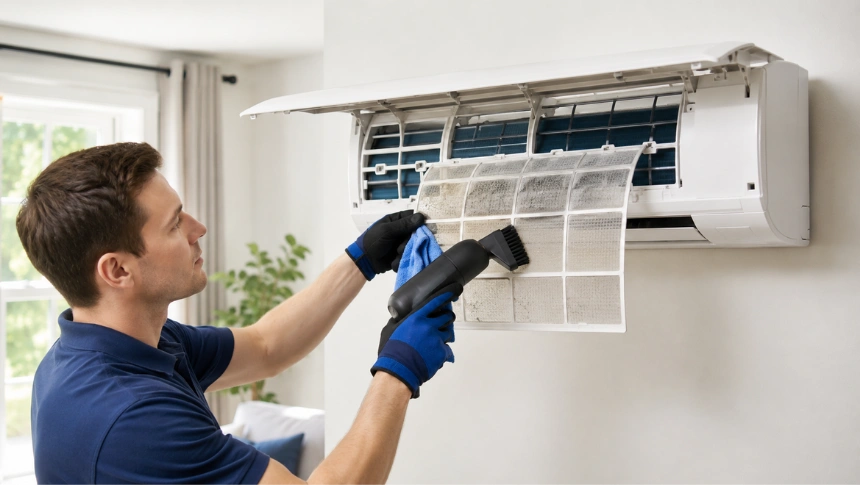
Dirty filters are one of the most common issues. When filters are blocked, airflow becomes restricted and the system struggles to maintain temperature.
Blocked outdoor units can also cause problems. Leaves, dust, and debris reduce airflow and force the system to work harder.
Low refrigerant levels, electrical faults, or worn components may require professional attention. Instead of waiting for a breakdown, scheduling routine heat pump service helps identify small issues before they turn into expensive repairs.
Understanding how does a heat pump work makes it easier to recognise when something is not functioning correctly.
Importance of Regular Maintenance
Even though heat pumps are reliable, they are not maintenance free. Regular care keeps them efficient and extends their lifespan.
Cleaning filters every few weeks improves airflow and indoor air quality. Keeping the outdoor unit clear of debris supports better heat exchange.
More importantly, annual professional heat pump service includes checking refrigerant levels, inspecting electrical connections, cleaning internal coils, and ensuring the compressor is functioning properly.
Routine servicing prevents unexpected failures during peak winter or summer months. It also protects your investment and ensures consistent comfort throughout the year.
Is a Heat Pump Right for Your Home?
Heat pumps are suitable for most New Zealand homes, but correct sizing and installation are essential.
If the unit is too small, it will struggle to maintain temperature. If it is too large, it may cycle on and off frequently, reducing efficiency.
Factors such as room size, insulation, ceiling height, and window placement all influence performance. A professional assessment ensures you choose the right system for your home.
Once installed correctly and maintained with regular heat pump service, a quality system can last 10 to 15 years or even longer.
Final Thoughts
Now that you understand how does a heat pump work, the system no longer feels complicated. It is simply a smart device that moves heat from one place to another, depending on the season.
Its efficiency, reliability, and dual heating and cooling function make it ideal for New Zealand homes. However, performance depends on regular care. Cleaning filters and scheduling annual heat pump service keeps the system running smoothly and protects your long term investment.
When maintained properly, a heat pump delivers consistent comfort, lower energy bills, and peace of mind all year round.