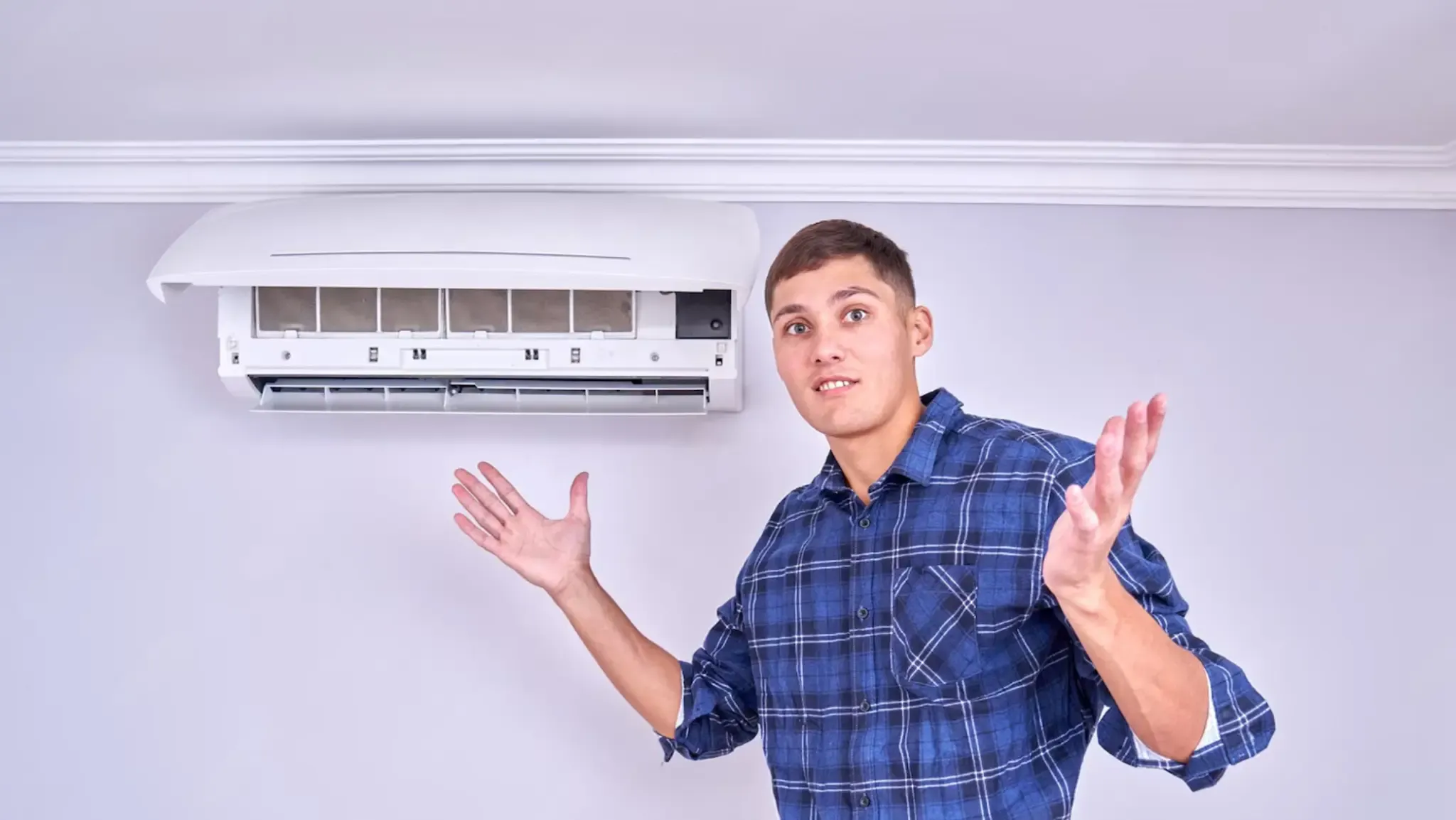
When your heat pump stops heating properly, takes longer to cool the room, or starts giving off a dusty smell, it can be frustrating. You might think something is broken or that you need expensive repairs. In many homes across New Zealand, the real problem is much simpler. The unit just needs proper cleaning.
If you have been wondering how to clean a heat pump without damaging it, this guide will walk you through everything step by step. With basic tools and a little care, you can improve performance, lower your electricity bill, and make your home feel fresh again.
Why Cleaning Your Heat Pump Matters
Many people install a heat pump and forget that it needs regular attention. It runs quietly in the background, so it is easy to assume everything is fine.
Over time, dust, pet hair, pollen, and moisture build up inside the filters and coils. When airflow becomes blocked, the system has to work harder. This increases power usage and reduces heating and cooling efficiency. Regular cleaning keeps the unit running smoothly and protects your investment.
How Often Should You Clean a Heat Pump in New Zealand?
New Zealand homes, especially in Auckland, deal with humidity and seasonal pollen. These conditions cause filters to get dirty faster than you might expect.
If you use your heat pump daily, clean the filters every two to four weeks. For full system care, book professional heat pump maintenance Auckland services at least once a year. Regular servicing ensures the internal components stay in good condition and prevents costly breakdowns.
Things You Need Before You Start
Before learning how to clean a heat pump, gather your tools. Using the right materials prevents accidental damage.
You will need a soft cloth, vacuum cleaner with brush attachment, mild detergent, lukewarm water, and a small brush. These simple household items are enough for safe and effective cleaning. Having everything ready makes the process quicker and stress free.
Step 1: Turn Off the Power Completely
Safety should always be your first priority. Cleaning while the unit is powered on can be dangerous.
Switch off the heat pump using the remote. Then turn off the main power supply at the wall or circuit breaker. This protects you from electrical risks and keeps internal components safe during cleaning.
Step 2: Open the Front Panel Carefully
Most wall mounted heat pumps have a front cover that lifts upward. Gently pull it open until it locks into place.
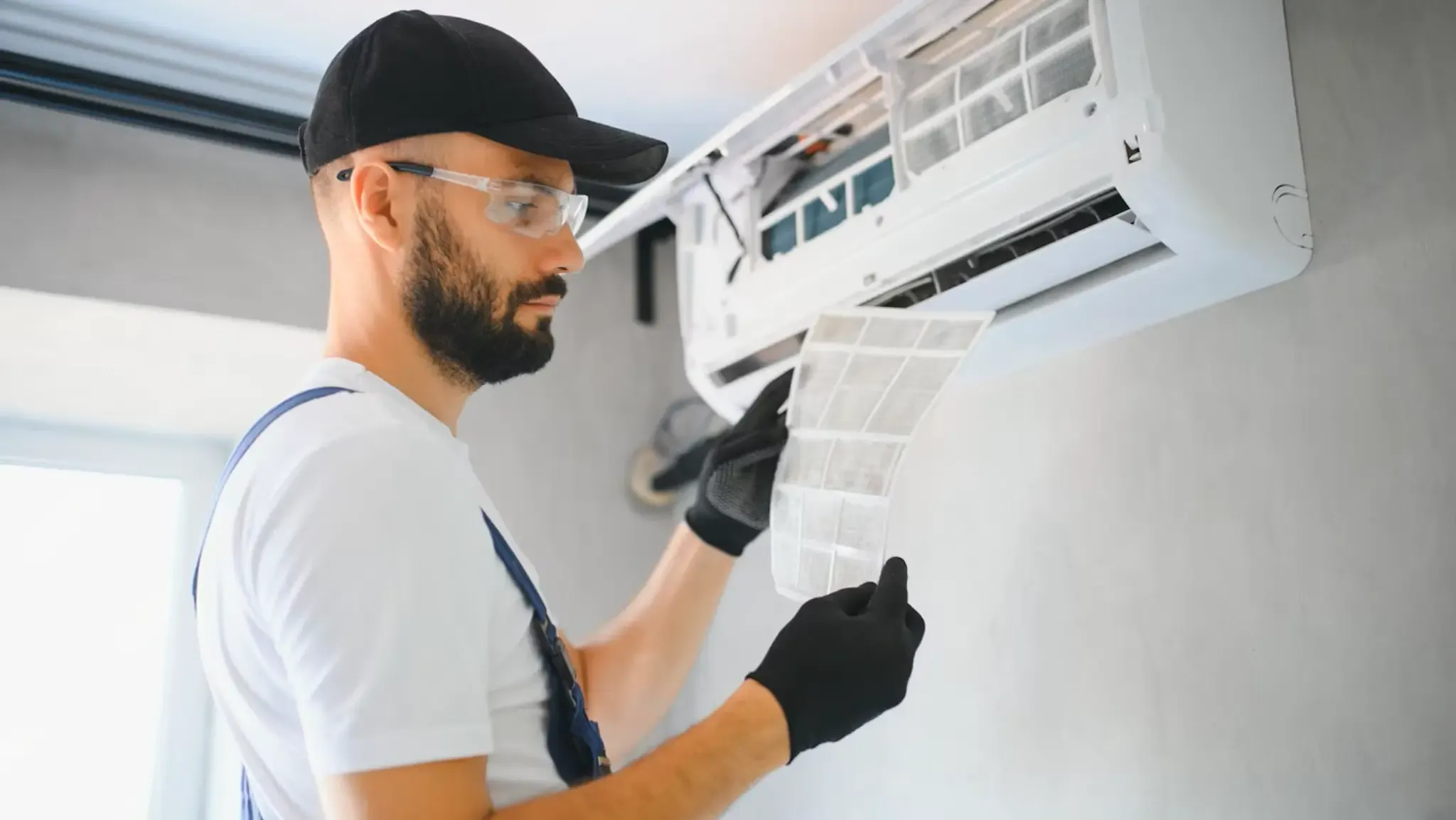
Inside, you will see the air filters. These filters trap dust and particles from the air inside your home. Removing and cleaning them is the most important part of the process.
Step 3: Remove and Clean the Filters Properly
Slide the filters out slowly and carefully. They are usually lightweight and easy to handle.
First, vacuum both sides of the filter to remove loose dust. Then wash them with lukewarm water and mild detergent. Avoid hot water because it can damage the material. Let the filters dry completely before reinstalling them. Putting damp filters back can cause mould growth and unpleasant smells.
Step 4: Clean the Indoor Unit Surface
After removing the filters, you may notice light dust inside the unit. This is normal, especially if it has been months since the last cleaning.
Use a soft dry cloth or small brush to gently wipe visible dust from accessible areas. Do not spray water directly inside the unit. Internal components are sensitive and should only be handled during professional heat pump service Auckland appointments.
Step 5: Inspect the Outdoor Unit
The outdoor unit is just as important as the indoor one. If airflow is blocked outside, the system cannot operate efficiently.
Check for leaves, dirt, spider webs, or debris around the unit. Make sure there is clear space around it so air can flow freely. You can lightly rinse the outer casing with water, but never use high pressure water directly into the fan area. Keeping the outdoor section clean supports overall performance.
Signs Your Heat Pump Needs Professional Help
Basic cleaning solves many common problems, but not all of them. Some issues require expert attention.
If you notice water leakage, unusual noises, weak airflow, or strange smells even after cleaning, it is time to call professionals. Booking heat pump maintenance Auckland services ensures deeper cleaning of coils, drainage systems, and internal components. Professional servicing also checks refrigerant levels and electrical connections.
Benefits of Regular Heat Pump Maintenance
Regular care does more than improve comfort. It also protects your money in the long run.
A clean heat pump uses less electricity because it does not struggle to push air through blocked filters. It heats and cools rooms faster, maintains consistent temperature, and improves indoor air quality. Scheduling yearly heat pump service in Auckland helps prevent major repairs and extends the lifespan of your unit.
Common Mistakes to Avoid
Many homeowners try to speed up the process and end up causing damage. Simple mistakes can reduce the life of your heat pump.
Do not use strong chemical cleaners. Avoid using pressure washers on the outdoor unit. Never operate the heat pump without filters installed. Most importantly, do not ignore warning signs. If something feels wrong, professional servicing is always safer than guesswork.
Final Thoughts
If your heat pump feels weaker than before or your power bills are increasing, do not panic. In many cases, the solution is simple cleaning and routine care.
Now that you know how to clean a heat pump safely, you can maintain better airflow and performance at home. For deeper internal cleaning and long term reliability, consider professional heat pump maintenance services in auckland once a year.
Related Articles
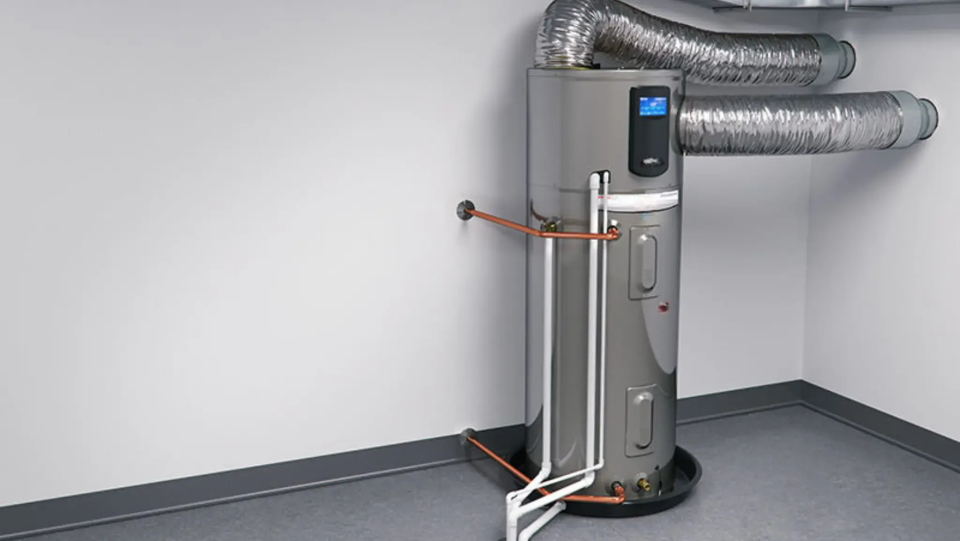
Hot Water Heat Pump Installation Guide: Step-by-Step Process for Homeowners
12th Mar 2026
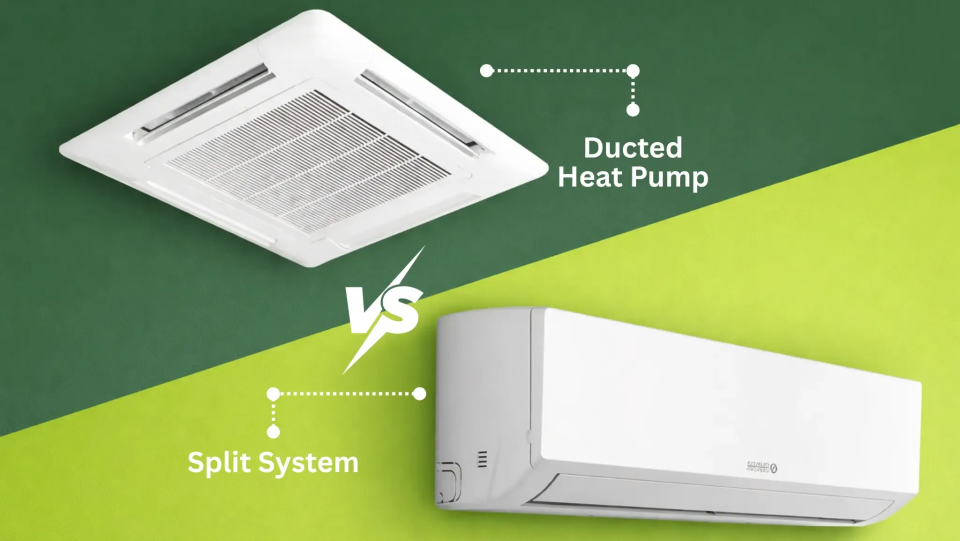
Ducted Heat Pump vs Split System: Which Is Better for Your Home?