Electricity bills continue to rise, and many homeowners are looking for smarter ways to reduce monthly expenses. You may have heard that solar panels can save money, but the technology can feel confusing if you do not understand how it actually works.
If you are wondering how do solar panels work, this guide will explain everything in simple terms. By the end, you will clearly understand how sunlight turns into electricity and how it powers your home.
What Are Flexible Solar Panels?
Before deciding if they are right for you, it is important to understand what flexible solar panels actually are. Many people assume they are the same as regular panels, just thinner.
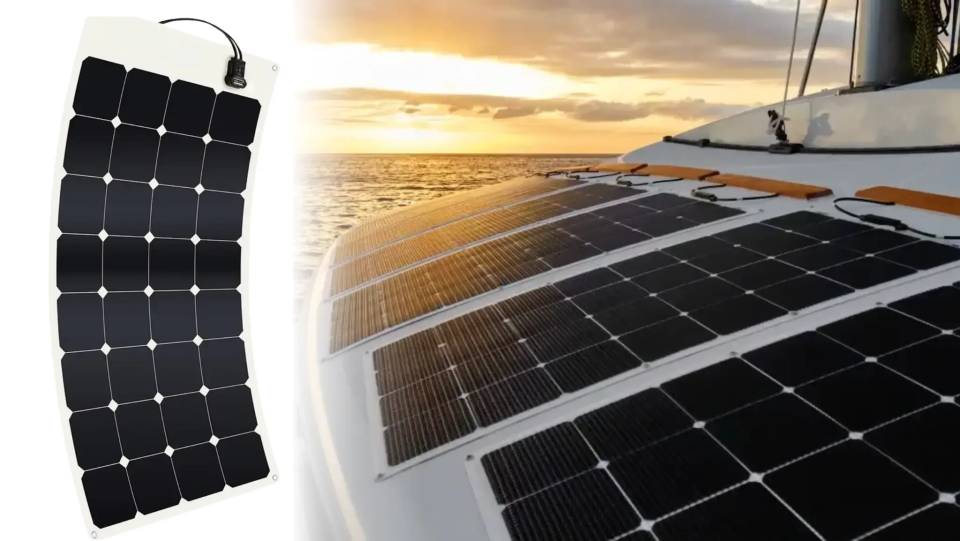
Flexible solar panels are lightweight panels that can bend slightly to fit curved or uneven surfaces. Unlike traditional glass panels mounted on metal frames, these panels are made using thin and lightweight materials. This allows them to adapt to surfaces like caravans, boats, vans, and small rooftops.
They are designed for portability and versatility. Their flexibility makes them useful in situations where rigid panels would be difficult to install.
How Do Flexible Solar Panels Work?
Flexible solar panels work using the same basic science as traditional solar panels. The difference is mainly in their design and materials, not in the way they generate electricity.
To understand clearly, let us break the process into simple steps.
- Sunlight Hits the Panel Surface: The process begins when sunlight reaches the surface of the flexible solar panel, even on slightly cloudy days. Sunlight contains tiny energy particles called photons that start the electricity generation process.
- Solar Cells Absorb Sunlight: Inside the panel are solar cells made from semiconductor materials like silicon or thin film.These cells absorb energy from sunlight and activate electrons within the material.
- The Photovoltaic Effect Takes Place: When photons hit the cells, they knock electrons loose and cause them to move. This movement of electrons creates electricity through a reaction called the photovoltaic effect.
- Direct Current Electricity Is Produced: The electricity generated at this stage is direct current, meaning it flows in one direction. Flexible solar panels naturally produce DC power as electrons move consistently in a single flow.
- The Inverter Converts DC to AC: Homes and appliances use alternating current, not direct current. An inverter converts the DC electricity from the panel into AC electricity for everyday use.
- Electricity Powers Devices or Charges Batteries: After conversion, the electricity powers appliances or charges battery storage systems. If connected to the grid, excess electricity can be sent back depending on the system setup.
Flexible Solar Panels vs Traditional Solar Panels
Many homeowners compare flexible panels with standard rigid panels before making a decision. Understanding the difference helps avoid unrealistic expectations.
Traditional panels are mounted inside strong glass frames and are heavier. They are designed for long term rooftop installation and high efficiency. Flexible panels are lighter and can bend slightly, but they are generally less durable and slightly less efficient compared to rigid models.
The right choice depends on how and where you plan to use them. Each type has its own purpose and strengths.
| Feature | Flexible Solar Panels | Traditional Solar Panels |
|---|---|---|
| Weight | Lightweight | Heavy |
| Installation Surface | Curved or flat | Mostly flat rooftops |
| Efficiency | Slightly lower | Higher |
| Lifespan | Shorter | Longer |
| Durability | Moderate | High |
| Best For | RVs, boats, small setups | Residential rooftops |
This comparison makes the difference clearer. Your choice should depend on your energy goals and installation location.
Benefits of Flexible Solar Panels
Flexible solar panels are popular for specific reasons. Their design makes them suitable for certain environments.
One major advantage is their lightweight construction. They add very little load to the surface, which is ideal for vehicles and portable structures. They are easier to transport and install without heavy mounting systems. They can also adapt to slightly curved surfaces, which rigid panels cannot do easily.
These benefits make them attractive for mobile applications. They are especially useful for off grid setups and temporary installations.
- Lightweight Design: Flexible solar panels are much lighter than traditional glass panels.This makes them ideal for surfaces that cannot handle heavy loads.
- Easy to Install: They are easier to handle and position during setup.
In many cases, installation requires less complex mounting hardware. - Suitable for Curved Surfaces: Flexible panels can bend slightly to fit curved or uneven surfaces. This makes them perfect for boats, caravans, and camper vans.
- Portable and Travel Friendly: Their thin and lightweight structure makes transportation simple. They are ideal for people who need power while traveling or camping.
- Low Profile Appearance: Flexible panels sit closer to the surface compared to rigid panels.
This creates a sleek and less noticeable look. - Reduced Wind Resistance: Because they sit flat against surfaces, they catch less wind.
This is especially useful for vehicles and marine applications. - Less Structural Stress: Their lightweight nature reduces pressure on roofs or structures.
This makes them suitable for lightweight buildings and temporary setups. - Ideal for Off Grid Applications: Flexible solar panels are commonly used in remote locations. They provide reliable energy in areas without grid access.
- Lower Initial Investment: In some cases, flexible panels may have a lower upfront cost. This makes them attractive for small scale or temporary use.
- Quiet and Clean Energy Production: Like all solar panels, they generate electricity silently. They produce clean energy without fuel consumption or emissions.
Limitations of Flexible Solar Panels
While flexible panels have advantages, they also come with limitations. It is important to consider both sides before investing.
Flexible panels usually have a shorter lifespan compared to traditional panels. They may also have slightly lower efficiency, meaning they produce less electricity per square meter. Because they are thinner, they can be more sensitive to heat buildup. They are not always ideal for powering an entire large household.
Understanding these limitations prevents disappointment. They work best when used for the right purpose.
Where Are Flexible Solar Panels Commonly Used?
Flexible solar panels are widely used in situations where weight and shape matter. They are not always meant for large residential power systems.
They are commonly installed on caravans, camper vans, boats, and motorhomes. They are also used in small cabins, temporary shelters, and portable power systems. Because they can bend slightly, they fit well on curved surfaces.
Their popularity comes from mobility and convenience. They provide energy independence in remote or travel situations.
Are Flexible Solar Panels Suitable for Homes?
Homeowners often ask whether flexible solar panels can replace traditional rooftop systems. The answer depends on energy needs and roof structure.
For large homes with high electricity consumption, traditional panels usually provide better long term performance and efficiency. Flexible panels can be used as supplementary systems, especially if roof weight is a concern. However, they are not always ideal as the primary energy source for an entire household.
Choosing the correct system requires proper evaluation. Understanding your electricity usage is key to making the right decision.
Installation Considerations
Even though flexible panels are lighter, proper installation is still important. Incorrect setup can reduce performance and lifespan.
The surface must be clean and stable before installation. Proper wiring and inverter setup are necessary to ensure safe electricity flow. Ventilation is also important because excess heat can reduce efficiency. For homeowners considering a permanent rooftop system, working with a professional solar panel installation service ensures correct system sizing and safe electrical connections.
Professional planning improves reliability. Proper installation protects both safety and long term efficiency.
Cost of Flexible Solar Panels
Cost is an important factor when comparing solar options. Flexible panels are often perceived as cheaper, but the full picture matters.
The upfront cost per panel may be lower in some cases. However, because they produce slightly less power and may have a shorter lifespan, long term value should be considered. Replacement frequency and overall energy output influence total cost over time.
Looking only at initial price can be misleading. Evaluating long term performance gives a clearer understanding of value.
Are Flexible Solar Panels Worth It?
Determining whether flexible solar panels are worth it depends on your purpose. They are not designed for every situation.
If you need lightweight, portable power for travel or off grid living, they can be an excellent choice. If you want to power a full sized home with high energy demand, traditional panels may provide better efficiency and durability. The decision should be based on energy requirements and installation conditions.
Making an informed decision prevents overspending. Matching the system to your needs ensures better results.
Conclusion
Flexible solar panels offer a lightweight and adaptable solution for generating electricity in mobile and specialised setups. They use the same basic solar technology as traditional panels but are designed for portability and curved surfaces.
While they may not fully replace standard rooftop systems for large homes, they are ideal for caravans, boats, and compact installations. Understanding their benefits and limitations helps you choose the right solar solution for your energy needs.