Many homeowners struggle with uneven temperatures inside their homes. One room may feel too warm while another stays cold, which often leads to discomfort and higher energy bills.
Heating or cooling the entire house at the same temperature can also waste electricity, especially when certain rooms are not in use. A ducted heat pump zoning system solves this problem by allowing different areas of the home to be controlled separately.
How a Ducted Heat Pump Zoning System Works
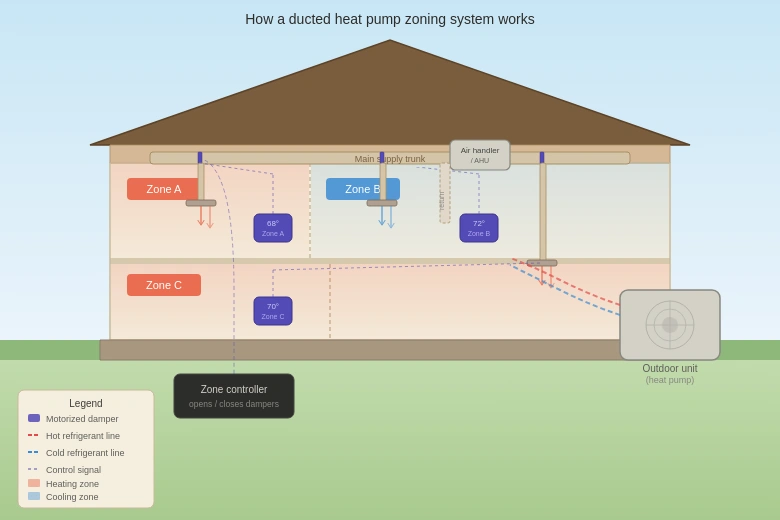
Understanding how a ducted heat pump zoning system works helps homeowners see how different rooms can maintain their own comfort levels. The system controls airflow through the ducts so that heating or cooling is delivered only where it is needed.
Instead of treating the whole house as one temperature zone, the system divides it into separate areas. This allows better temperature management and improved energy efficiency.
1. Temperature Detection in Each Zone
Thermostats or temperature sensors are installed in different areas of the home. These devices continuously monitor the temperature in their specific zones.
2. Sending Signals to the Central Control System
When the temperature in a zone changes, the thermostat sends a signal to the zoning control panel. This panel communicates with the ducted heat pump system.
3. Dampers Control Airflow in the Ducts
Zone dampers located inside the ductwork open or close based on signals from the control panel. This action regulates the amount of air flowing to each zone.
4. Conditioned Air Is Directed to Required Zones
Once the dampers adjust, heated or cooled air is directed to the zones that need it. Areas that do not require heating or cooling receive little or no airflow.
5. Continuous Adjustment for Comfort
The system continues monitoring temperatures and adjusting airflow throughout the day. This ongoing process helps maintain a consistent temperature in every zone.
When all these steps work together, the system provides precise temperature control across different rooms. This intelligent airflow management improves comfort while helping reduce unnecessary energy use.
Main Components of a Zoning System
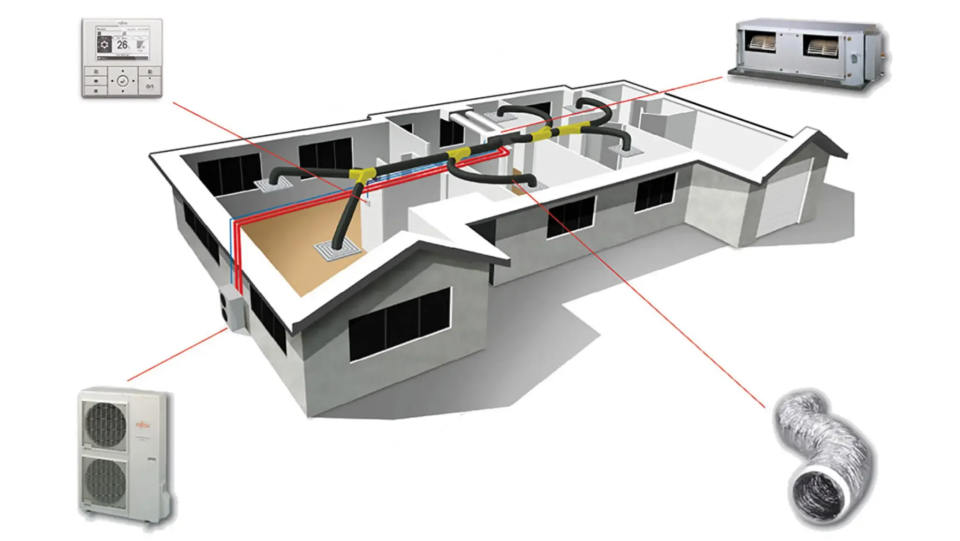
Understanding the main components of a zoning system helps explain how a ducted heat pump can control temperatures in different areas of the home. Each component works together to regulate airflow and maintain comfort in multiple zones.
Although the system may seem complex, it is built using a few key parts that manage airflow and temperature efficiently. When these components function together, they allow homeowners to control heating and cooling more effectively.
1. Central Ducted Heat Pump Unit
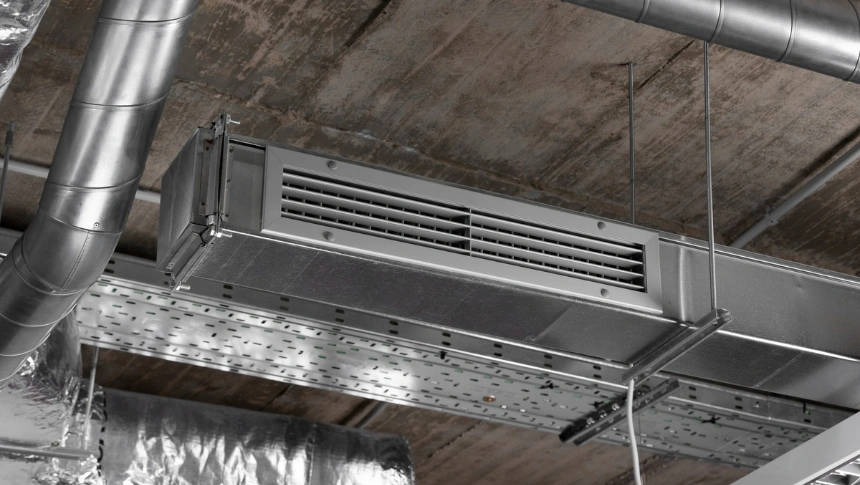
The central heat pump unit is responsible for generating heating or cooling for the entire home. It distributes conditioned air through the duct system to different zones.
2. Zone Dampers
Zone dampers are installed inside the ductwork and act like valves that control airflow. They open or close depending on which zone requires heating or cooling.
3. Thermostats or Temperature Sensors
Thermostats or sensors are placed in different areas of the home to monitor temperature levels. They send signals to the system to adjust airflow based on the temperature settings of each zone.
4. Control Panel or Zoning Controller
The control panel acts as the central system that manages communication between thermostats, dampers, and the heat pump unit. It ensures the correct amount of air is delivered to each zone.
5. Ductwork System
The ductwork network carries heated or cooled air from the central unit to different rooms. Properly designed ducts ensure airflow is distributed evenly throughout the zones.
When all these components operate together, the zoning system can manage airflow efficiently across different areas of the home. This coordinated system allows homeowners to maintain comfortable temperatures while improving energy efficiency.
Benefits of a Ducted Heat Pump Zoning System
A ducted heat pump zoning system offers several advantages for homeowners who want better control over indoor comfort. By dividing the home into separate zones, the system allows heating or cooling to be adjusted based on the needs of each area.
This approach improves both comfort and energy efficiency throughout the home. Understanding the key benefits helps homeowners see why zoning systems are becoming increasingly popular.
1. Better Temperature Control
Zoning allows different rooms or areas of the home to have separate temperature settings. This helps maintain comfortable conditions in every part of the house.
2. Improved Energy Efficiency
Heating or cooling is directed only to the zones that are being used. This reduces unnecessary energy consumption and improves overall efficiency.
3. Lower Energy Bills
Because unused rooms do not receive heating or cooling, the system uses less electricity. Over time, this can lead to noticeable savings on energy bills.
4. Personalized Comfort
Different family members can set temperatures according to their preferences in different zones. This flexibility ensures everyone can enjoy a comfortable indoor environment.
5. Reduced System Workload
By focusing airflow only where it is needed, the heat pump does not have to work as hard. This can help extend the lifespan of the system.
A ducted heat pump zoning system provides both comfort and efficiency for modern homes. With proper installation and setup, homeowners can enjoy flexible temperature control while reducing unnecessary energy use.
Is a Ducted Heat Pump Zoning System Worth It
Many homeowners consider zoning systems when upgrading their heating or cooling setup. Evaluating the benefits and costs can help determine whether the investment is worthwhile.
Zoning systems improve energy efficiency by directing airflow only where it is needed. They also provide greater comfort by allowing different areas of the home to have separate temperature settings. For larger homes or families with varying comfort preferences, zoning can be a valuable addition.
The long term benefits often outweigh the initial investment. Homeowners gain better temperature control and reduced energy usage.
Conclusion
A ducted heat pump zoning system provides an effective way to improve comfort and energy efficiency in modern homes. By dividing the house into separate zones, homeowners can control temperatures more precisely and avoid wasting energy on unused spaces.
If you are considering upgrading your heating and cooling system, zoning technology can make a significant difference in daily comfort. Contact our team today for expert advice and professional assistance with the right ducted heat pump system for your home.