
Many homeowners use their heat pump every day but have no idea how it actually works. When the house feels too cold in winter or not cool enough in summer, confusion starts. Some people think the unit is broken, while others assume it is using too much electricity. The truth is, most people simply do not understand the basic working principle behind it.
If you have ever wondered how does a heat pump work, this guide will explain everything in simple terms. No technical jargon, no complicated science lessons. Just a clear explanation so you can understand how your system keeps your home comfortable all year round.
What Is a Ducted Heat Pump System?
Before understanding the installation process, it helps to know what a ducted system actually is. Many people confuse it with wall mounted units, but the setup is very different.
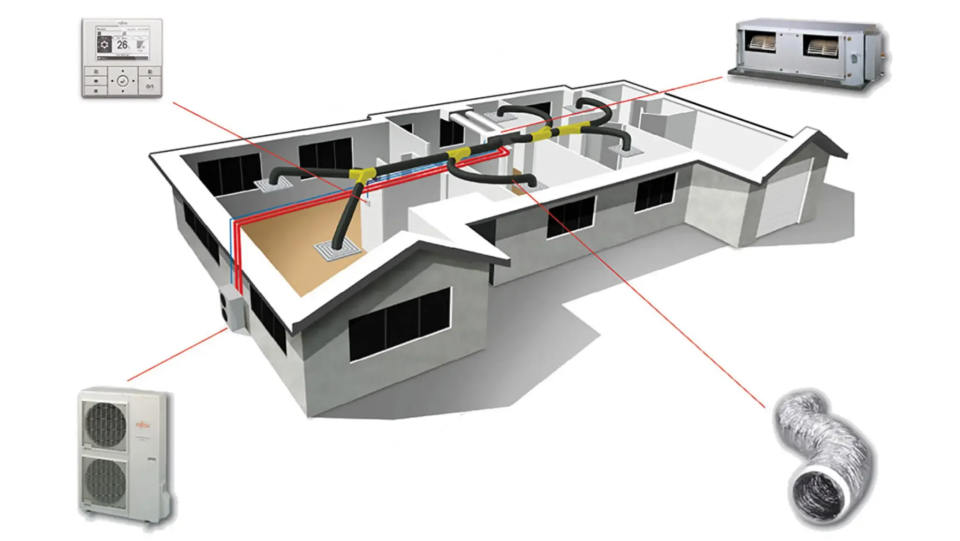
A ducted heat pump system is designed to heat and cool the entire home through hidden ducts installed in the ceiling or under the floor. Air is distributed evenly through vents placed in different rooms, all controlled by a central thermostat. This design keeps your interior clean and clutter free.
Unlike single room systems, ducted units provide consistent comfort across the whole house. This makes them a popular choice for families and larger properties.
How Ducted Heat Pump Systems Work
Ducted heat pump systems are built to heat and cool entire homes or commercial buildings efficiently. Instead of producing heat like traditional heaters, these systems move heat from one place to another. This method makes them more energy efficient and cost effective over time.
Below is a clear explanation of how a ducted heat pump system operates.
Heat Transfer Process
At the core of the system is the heat transfer cycle. A ducted heat pump has two main parts: an outdoor unit and an indoor unit. The outdoor unit draws heat from the outside air, even when temperatures are low. It uses a special liquid called refrigerant to absorb this heat.
As the refrigerant absorbs warmth from the air, it changes from a liquid into a gas. This transformation allows the system to capture and carry heat efficiently.
Compression Stage
Once the refrigerant becomes a gas, it moves into the compressor. The compressor increases the pressure of the gas, which also raises its temperature.
This step is important because it prepares the heated refrigerant to transfer warmth effectively inside the building. Higher pressure and temperature make the heat transfer process more efficient.
Air Distribution Inside the Property
The hot refrigerant gas then travels through insulated pipes to the indoor unit. Inside the unit, the heat from the refrigerant is transferred to air that passes over internal coils.
A fan then pushes this warmed air through a system of ducts and vents installed throughout the building. This ensures that each room receives consistent heating.
Cooling Function Using a Reversing Valve
One of the biggest advantages of ducted heat pump systems is their ability to cool as well as heat. This is possible because of a component called a reversing valve.
When switched to cooling mode, the direction of the refrigerant flow changes. Instead of bringing heat inside, the system removes heat from indoor air and releases it outside. This process cools the indoor space efficiently.
Is Your Home Suitable for Ducted Installation
Not every home is automatically suitable for a ducted system. Certain structural factors determine whether installation will be smooth and efficient.
Ceiling space is one of the most important requirements. The indoor unit and ductwork need enough room to fit safely above the ceiling. Insulation quality and home layout also play a major role in performance. During a professional heat pump installation assessment, technicians measure room sizes and evaluate airflow possibilities.
Understanding suitability prevents unexpected issues later. A proper evaluation ensures your system works efficiently for many years.
Pre Installation Assessment and Planning
Every successful project begins with detailed planning. Skipping this stage can lead to uneven airflow or higher running costs.
During the assessment, professionals calculate the heating and cooling load of your home. This involves measuring room sizes, checking insulation, and reviewing window placement. Electrical capacity is also inspected to confirm the system can operate safely. Proper system sizing is critical because an undersized unit struggles to maintain temperature, while an oversized unit wastes energy.
Careful planning ensures balanced comfort and long term reliability. A structured approach reduces installation delays and future performance problems.
Step 1: System Design and Duct Layout
Every successful project begins with detailed planning. Skipping this stage can lead to uneven airflow or higher running costs.
During the assessment, professionals calculate the heating and cooling load of your home. This involves measuring room sizes, checking insulation, and reviewing window placement. Electrical capacity is also inspected to confirm the system can operate safely. Proper system sizing is critical because an undersized unit struggles to maintain temperature, while an oversized unit wastes energy.
Careful planning ensures balanced comfort and long term reliability. A structured approach reduces installation delays and future performance problems.
Step 2: Installing the Indoor Unit
The indoor unit is the heart of the system. It is usually installed inside the ceiling cavity or under the floor, depending on your home structure.
The unit is securely mounted to ensure stability and reduce vibration. It is then connected to the planned duct network. Proper placement is important to minimise noise and maximise airflow efficiency. During professional heat pump installation, installers also ensure safe access for future maintenance.
Correct positioning supports long term durability. A securely installed indoor unit prevents operational issues later.
Step 3: Installing the Outdoor Unit
The outdoor unit is responsible for absorbing and releasing heat. Its placement directly affects performance and noise levels.
Installers choose a location with sufficient airflow and minimal obstruction. The unit must sit on a stable surface and allow space for proper ventilation. Consideration is also given to drainage and weather exposure. Good placement improves efficiency and reduces strain on the system.
Proper outdoor installation enhances system lifespan. Careful positioning ensures quieter and smoother operation.
Step 4: Ductwork Installation
Ductwork is what allows air to move from the indoor unit to each room. This stage requires precision to maintain airflow balance.
Insulated flexible ducts are connected from the main unit to ceiling vents. All joints are sealed properly to prevent air leakage. Poorly installed ducts can reduce efficiency and increase running costs. Professional installers carefully secure and insulate the ducts to maintain temperature consistency.
Well installed ductwork ensures even heating and cooling. Proper sealing prevents energy loss and improves comfort.
Step 5: Electrical Connections and Controls
Once the physical installation is complete, electrical connections are finalised. This stage ensures safe and reliable system operation.
The thermostat is installed in a convenient and central location. Wiring is connected according to safety standards and local regulations. Installers test the control system to confirm accurate temperature readings and responsiveness. Electrical safety is a critical part of any heat pump installation.
Professional electrical setup protects your home and your system. Accurate controls improve overall efficiency and usability.
Step 6: Testing and Commissioning
After installation, the system is carefully tested. This step confirms that everything works as designed.
Technicians check airflow levels in each room and adjust dampers if necessary. Temperature output is measured to confirm proper heating and cooling performance. The system is run through different settings to ensure smooth operation. Final adjustments are made before handing over the system to the homeowner.
Thorough testing guarantees optimal performance. Commissioning ensures your ducted system delivers consistent comfort from day one.
How Long Does the Installation Take
Many homeowners worry about how long the process will disrupt daily life. The timeline depends on property size and complexity.
For new homes, installation usually takes one to two days. Existing homes may require two to four days, especially if ceiling modifications are needed. Larger homes with multiple zones may take slightly longer. Professional planning helps minimise inconvenience during heat pump installation.
Understanding the timeline helps you prepare in advance. Clear expectations reduce stress and uncertainty.
Common Challenges During Installation
Some homes present structural challenges that require extra care. These challenges are manageable with professional expertise.
Limited ceiling space, older insulation, or complex layouts may require customised solutions. Electrical upgrades might also be necessary in some properties. Experienced installers adapt their approach to suit your home’s structure while maintaining safety standards.
Addressing challenges early prevents delays. Skilled handling ensures the system performs efficiently despite obstacles.
Why Professional Installation Matters
Installing a ducted system is not a simple DIY task. It involves technical calculations, structural adjustments, and electrical work.
Professional heat pump installation ensures correct sizing, safe wiring, and balanced airflow. Incorrect installation can lead to higher power bills and uneven temperature distribution. Choosing qualified installers protects your investment and provides peace of mind.
Expert installation supports long term reliability. Quality workmanship makes a significant difference in overall performance.
Conclusion
The ducted heat pump installation process may seem complex at first, but understanding each stage makes it far less intimidating. From planning and system design to final testing, every step plays a crucial role in achieving whole home comfort.
If you are considering heat pump installation, knowing what to expect allows you to plan confidently and make informed decisions. With proper assessment and professional installation, a ducted system can provide efficient heating and cooling for many years to come.


